Funding cuts cast doubt over 2026 International AIDS Conference
Ngure said AIDS science is moving forward, but funding cuts are pushing the global response backward as AIDS 2026 meets in Rio de Janeiro.
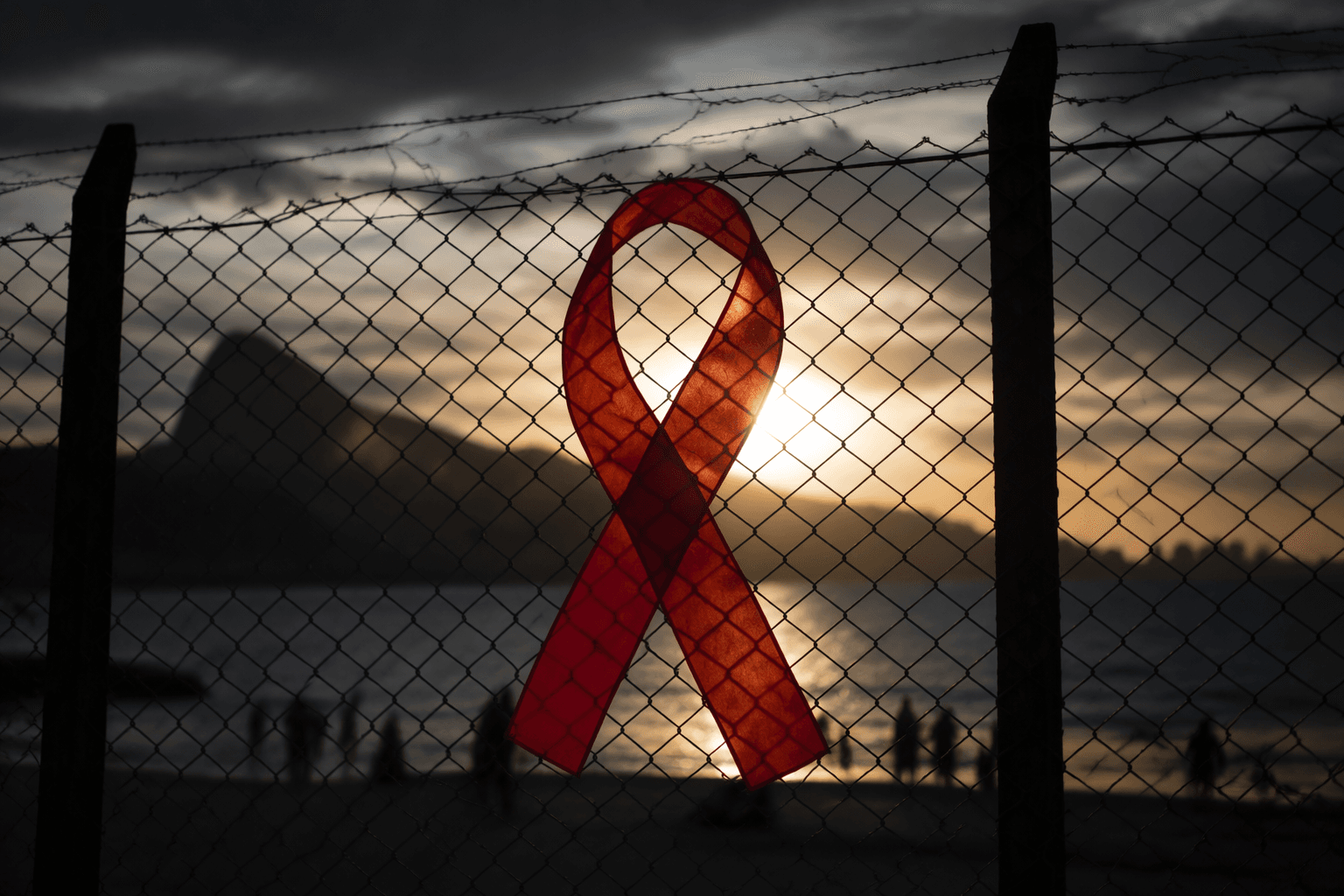
Dr. Kenneth Ngure said the HIV field has made major scientific gains, but funding cuts have pushed the response backward as AIDS 2026 brings researchers, clinicians, advocates and policymakers to Rio de Janeiro and virtually under the theme “Rethink. Rebuild. Rise.” He said, “We have had very good scientific advances ... yet the funding cuts have also taken us back.”
The 26th International AIDS Conference is one of the largest global gatherings in public health, and its program has drawn in institutions including the World Health Organization, which listed its participation on July 26. That presence matters because the meeting is where antiretroviral access, prevention strategies and the changing epidemiology of HIV are put in the same room with the people who fund and govern them.
The warning around the conference comes as the epidemic is again moving in the wrong direction. UNAIDS said in a July 27 special report that 1.2 million more people became infected with HIV in 2025 and 570,000 more people died of AIDS-related illnesses. The agency also warned that, without urgent action to meet 2030 targets, more than 3 million people could become infected with HIV by then.
The financing picture is deteriorating at the same time. KFF said donor government funding for HIV in low- and middle-income countries fell by $2.1 billion in 2025, the largest annual decrease since the global HIV response began to scale up. Reuters put the broader global HIV funding decline at 18% last year, with United States cuts driving much of the drop. UNAIDS said the financing shock is already threatening prevention and treatment access, especially in lower-income countries and among communities still facing stigma and disrupted care.
Winnie Byanyima, UNAIDS executive director, told a United Nations press conference in May that the world was at “a perilous moment” because decades of progress risked being undone just as the response needed more support. That warning now hangs over a conference meant to test political commitment as much as scientific progress. If the money keeps shrinking, travel, attendance, research presentations and cross-border collaboration all become harder, and the visibility that AIDS conferences have long given to populations still being left behind becomes harder to sustain.
This article was produced by Prism’s automated news system from verified source data, official records, and press releases, then run through automated quality and moderation checks before publishing. The system is built and supervised by the people who set the standards it runs under. Read our full AI policy.
Did this article answer your question?