Funerals held in Honduras after massacre at palm plantation kills 20
Mourners packed Rigores after armed men killed at least 20 people at a palm plantation, an attack that underscored Honduras’ deepening impunity.
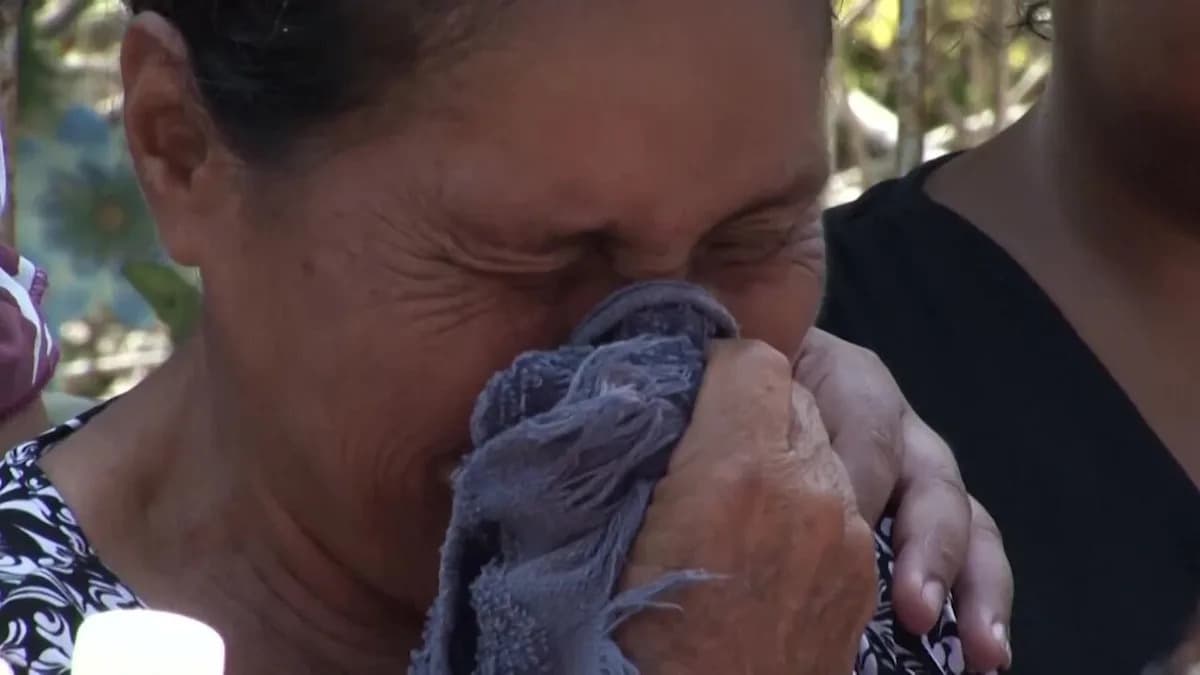
Families gathered in Rigores on Honduras’ northern Caribbean coast to bury victims of a massacre that left at least 20 people dead at a palm plantation in the Bajo Aguán region. The funeral became a public reckoning over more than grief: it exposed how violence tied to land and labor continues to stalk one of the country’s most contested rural areas.
The shooting happened as workers were preparing to begin their day near a church on the plantation on May 21. Deputy Commissioner Jasser Ramos said 20 bodies had been recovered, and the dead included at least 15 men, three women and two minors. The plantation grows African palm for palm oil, placing the attack at the center of a local economy that depends on farm labor even as armed violence drives people away from it.

Honduran prosecutors believe several armed men carried out the attack, but authorities have not publicly confirmed a clear motive. Security Minister Gerzon Velasquez said early evidence pointed to criminal groups. That uncertainty matters in the Bajo Aguán, where gunmen, land conflicts and intimidation have repeatedly collided for years with little accountability. The massacre now fits a pattern residents and human rights monitors have long warned about: rural communities left to absorb the violence while the state struggles to impose order.

The Office of the United Nations High Commissioner for Human Rights says the Bajo Aguán was the epicenter of agrarian reform in Honduras in the 1970s, when hundreds of families were moved there through induced migration. Later land-market changes in the 1990s, including Decree 31-92, liberalized land sales and helped create a climate of violence, corruption and illegality. OHCHR says impunity and a lack of state presence have allowed land dispossession and murder to persist in the region.

That history gives the May 21 attack a wider meaning than a single criminal episode. OHCHR has said land-related conflicts in Honduras directly fuel violence, displacement and migration, and that the Bajo Aguán remains a place where peasant communities are still fighting for land, territory and decent work. For the mourners in Rigores, the funerals marked not just the loss of neighbors and relatives, but another warning that in Honduras’ rural heartland, armed power still outruns justice.
This article was produced by Prism’s automated news system from verified source data, official records, and press releases, then run through automated quality and moderation checks before publishing. The system is built and supervised by the people who set the standards it runs under. Read our full AI policy.
Did this article answer your question?


