G7 agrees to reduce dependence on China for critical minerals
The G7 set a 2030 target to cut rare-earth dependence below 60% and built a crisis platform as China still dominates processed minerals.

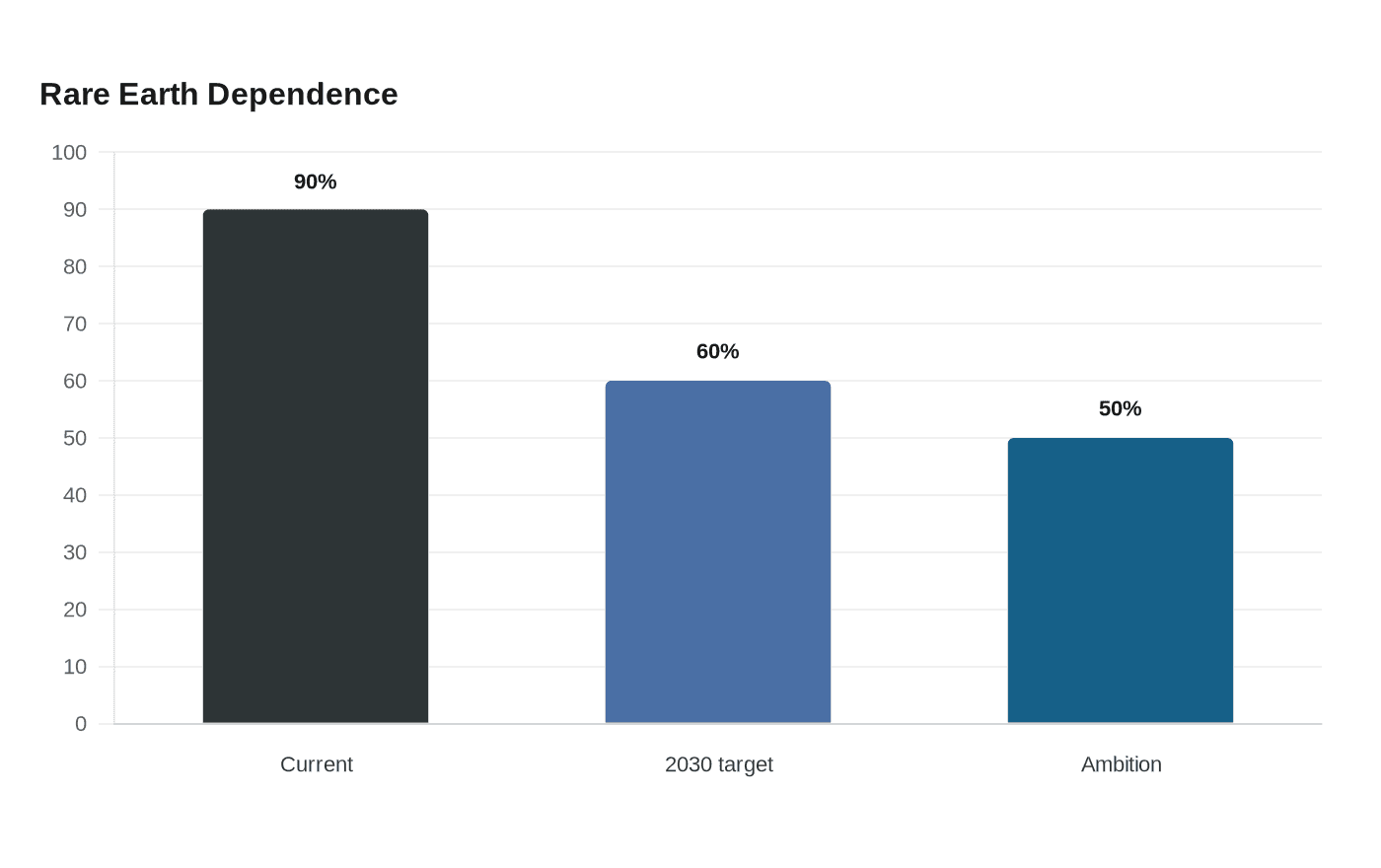
The Group of Seven moved to harden its supply chains for the minerals that run electric vehicles, batteries, defense systems and advanced electronics, agreeing in Évian-les-Bains to coordinate stockpiling and create a crisis-response platform with the International Energy Agency. The aim is blunt: reduce the West’s exposure to China, which controls about 90% of global output for processed rare earths and magnets, the most sensitive parts of the chain.
Leaders said they were acting in response to high market concentration, arbitrary trade restrictions and economic coercion. Their declaration warned of arbitrary export restrictions and retaliatory measures on critical minerals and related dual-use items, a signal that the issue has moved from trade policy into national security. The G7 said the new platform would provide analysis and early warnings of market distortions, giving governments a standing mechanism instead of forcing each capital to improvise during a supply shock.
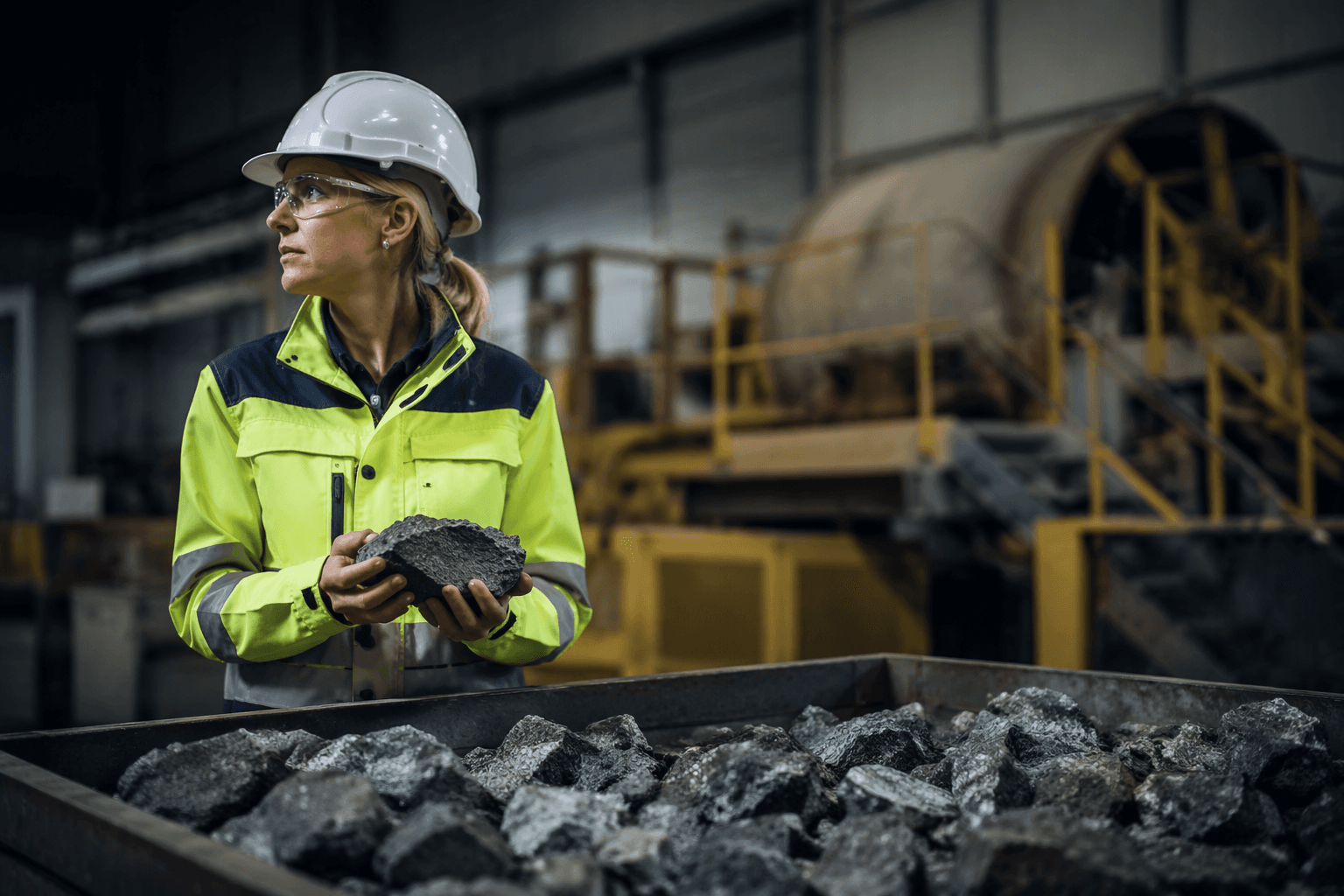
The plan starts with lithium and nickel as pilot minerals, then expands to five new minerals each year, with a particular focus on rare earth elements. The G7 also set a concrete benchmark: dependence on a single supplier outside the G7 and partner countries for rare earths and permanent magnets should fall below 60% by 2030, with an ambition to reach 50% as soon as possible. That target matters because rare earths and magnets sit inside products ranging from missiles and radar systems to wind turbines and data-center equipment.
The declaration built on the Critical Minerals Action Plan launched in 2025 and on the Critical Minerals Production Alliance established under Canada’s 2025 G7 presidency. It also called on G7 development finance institutions and export credit agencies to work with the private sector to back projects and infrastructure, a recognition that mining alone will not solve the bottleneck if processing, recycling and industrial capacity remain concentrated in China.
Reuters quoted Neha Mukherjee of Benchmark Mineral Intelligence saying the statement was an important signal of intent, but that the pace of diversification will depend on whether policy support turns into investment across the midstream and downstream supply chain. The declaration also said the G7 would coordinate with partners to build processing and industrial capacity, mobilize public and private financial resources, and avoid undermining competitiveness or imposing excessive cost burdens.
Egypt, Kenya, the Republic of Korea and Australia supported the declaration, widening the coalition behind the effort. The new alliance will be judged not by summit language, but by whether it changes who mines, refines, stocks and finances the materials that modern industry cannot function without.
This article was produced by Prism’s automated news system from verified source data, official records, and press releases, then run through automated quality and moderation checks before publishing. The system is built and supervised by the people who set the standards it runs under. Read our full AI policy.
Did this article answer your question?


