G7 convenes emergency call with IEA as oil spikes and markets plunge
G7 finance ministers and IEA will hold an 8:30 a.m. New York conference call to weigh a coordinated SPR release after oil jumped 25% and equities tumbled.
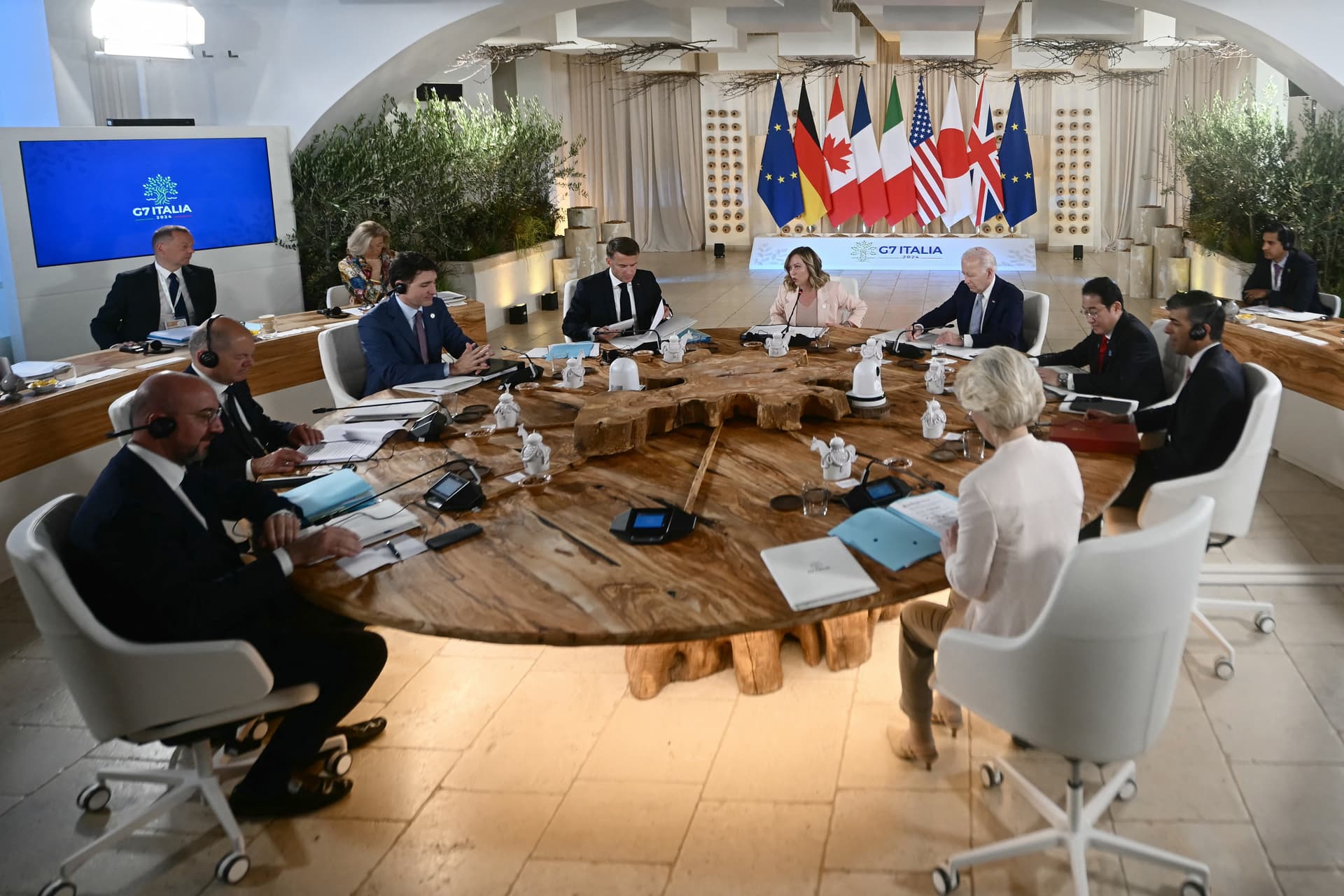
Finance ministers from the Group of Seven and the International Energy Agency will hold an emergency conference call at 8:30 a.m. New York time to assess the Iran-related shock to energy markets and consider a coordinated release from strategic petroleum reserves. The move follows a dramatic market reaction on March 9, when oil surged more than 25% to its highest levels since mid-2022 and global stocks fell sharply as investors priced in prolonged Gulf disruptions.
“The ministers and Fatih Birol, IEA executive director, will hold a call at 8.30am New York time to discuss the impact of the Iran war, the report said, citing people familiar with the situation, including a senior G7 official,” Investing reported, citing the Financial Times. Scanx Trade summarized meeting details as: Participants: G7 Nations and IEA; Schedule: Monday; Focus: Emergency Oil Reserves; Approach: Coordinated Response.
Policy options under discussion are consequential. Some U.S. officials, as reported, favor a joint release in the range of 300 million to 400 million barrels, which would equal roughly 25% to 30% of the 1.2 billion barrels of strategic stocks held collectively by IEA members. Such a drawdown on that scale would be unprecedented in peacetime and would test the logistical capacity of member states to move crude into markets at speed.
Analysts and policy planners view the call as both signal and tool. “The G7's emergency meeting is less a plan for immediate relief and more a high-level signal of global economic coordination under stress,” Ainvest wrote, adding that “Storage is the linchpin in this equation.” The IEA, according to a confidential internal document cited by TradingKey, is “ready to take action at any time to maintain market stability.”
Market indicators already show the tentative effect of international coordination. After news of planned discussions, intraday gains narrowed: WTI was trading up about 14% and Brent about 15% from their peaks, TradingKey reported. Brent trading volume approached 900,000 lots, exceeding three quarters of its daily average over the past year, and last week’s total market volume was reported at 18.6 million lots, or 18.6 billion barrels, a figure that market commentators equated to nearly six months of global oil consumption.
Political constraints complicate the calculus. Ainvest noted that “The White House has stated it has no immediate plans to release oil from the nation's emergency reserve, citing high U.S. production,” even as the administration faces domestic political pressure ahead of midterm contests. Other non-price measures being discussed include naval escorts and regulatory tweaks to protect shipping and supplies.
The episode comes against a backdrop of prior coordinated action: the IEA has orchestrated joint releases five times historically, including two in 2022. The outcome of the G7 call will be a test of whether allied governments can translate emergency signaling into rapid, large-scale market action.
Separately, Scanx Trade recalled earlier G7 coordination on strategic supplies: finance ministers met in Washington on January 12, 2025, led by US Treasury Secretary Scott Bessent to discuss rare earths, with attendees from Japan, Britain, France, Germany, Italy, Canada, Australia, Mexico, South Korea, and India, and concluded measures including price floors and alternative partnerships to curb dependence on Chinese refining capacity, which Scanx Trade said ranges from 47 to 87 percent.
The conference call will therefore serve as an early measure of global political will to stabilize prices and shipping routes, and whether a large SPR drawdown will be used to blunt a shock that has already roiled markets and threatened economic growth.
This article was produced by Prism’s automated news system from verified source data, official records, and press releases, then run through automated quality and moderation checks before publishing. The system is built and supervised by the people who set the standards it runs under. Read our full AI policy.
Did this article answer your question?


