G7 Foreign Ministers Condemn Iran Attacks, Vow to Protect Hormuz Strait
G7 nations pledged to take "necessary measures" to secure global energy supplies, directly condemning Iran for reckless attacks on civilian infrastructure.
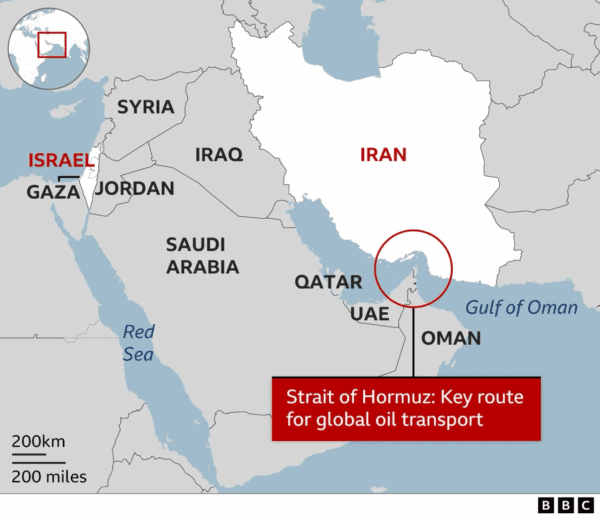
The foreign ministers of the Group of Seven issued a joint statement Saturday declaring they stand ready to take "necessary measures to support global energy supplies" and reaffirmed the importance of safeguarding critical maritime routes, explicitly naming the Strait of Hormuz as a priority.
The statement, signed by ministers from Canada, France, Germany, Italy, Japan, the United Kingdom and the United States, along with the top EU diplomat, represents the bloc's most direct collective warning yet over threats to global energy transit. It places responsibility squarely on Tehran, condemning "the Islamic Republic of Iran and its proxies" by name.
"We express support to our partners in the region in the face of the unjustifiable attacks by the Islamic Republic of Iran and its proxies," the ministers said. In language notable for its intensity, they added: "We condemn in the strongest terms the regime's reckless attacks against civilians and civilian infrastructure, including energy infrastructure."
The Strait of Hormuz, the narrow waterway between Iran and the Arabian Peninsula, is one of the world's most strategically vital chokepoints for oil and gas shipments. Any sustained disruption there carries immediate consequences for global energy markets and the economies that depend on them.
The statement stops short of detailing what "necessary measures" the G7 nations are prepared to take. No specific military deployments, sanctions packages, or naval coordination mechanisms were announced, leaving the precise nature of the commitment open. That ambiguity is itself a tool of diplomatic pressure, signaling resolve without foreclosing options.
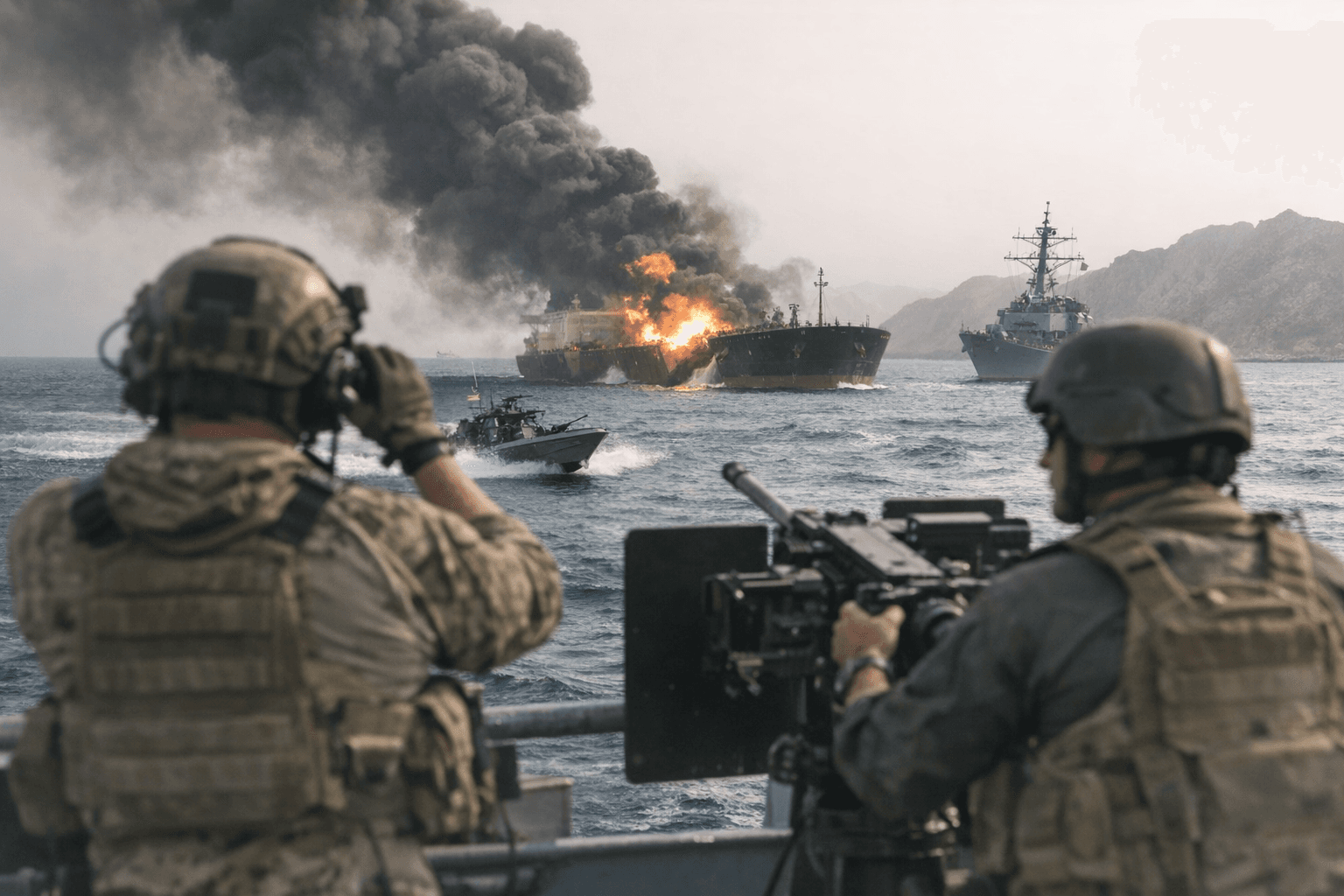
What the statement does make clear is that the G7 views the attacks attributed to Iran and affiliated groups not merely as a regional security problem but as a direct threat to the global economic order. By tying energy supply protection to maritime route security in a single declaration, the ministers framed the Strait of Hormuz as a shared international interest, not just a concern for regional actors.
The joint condemnation is also a signal to "partners in the region," language that implicitly references Gulf states and others who have faced strikes on energy infrastructure. For those governments, the statement offers diplomatic cover and a degree of collective backing, even as the practical scope of G7 assistance remains undefined.
Iran has not yet responded publicly to the statement. The joint declaration also does not name the specific proxy groups referenced, nor does it detail any particular incidents of attack, leaving gaps that individual governments will likely face pressure to fill in the coming days.
The G7's willingness to call out Iran by its formal name, the Islamic Republic of Iran, rather than using softer diplomatic language, reflects a hardening posture. Whether that posture translates into coordinated action will depend on whether the ministers follow this declaration with concrete measures, beginning with the release of the full statement text and consultations with regional allies.
This article was produced by Prism’s automated news system from verified source data, official records, and press releases, then run through automated quality and moderation checks before publishing. The system is built and supervised by the people who set the standards it runs under. Read our full AI policy.
Did this article answer your question?