G7 summit opens in France amid Trump tensions and Iran war
France is trying to stage a united G7 in Évian, but Trump’s Iran war, trade fights and old summit blowups expose how fragile the club has become.
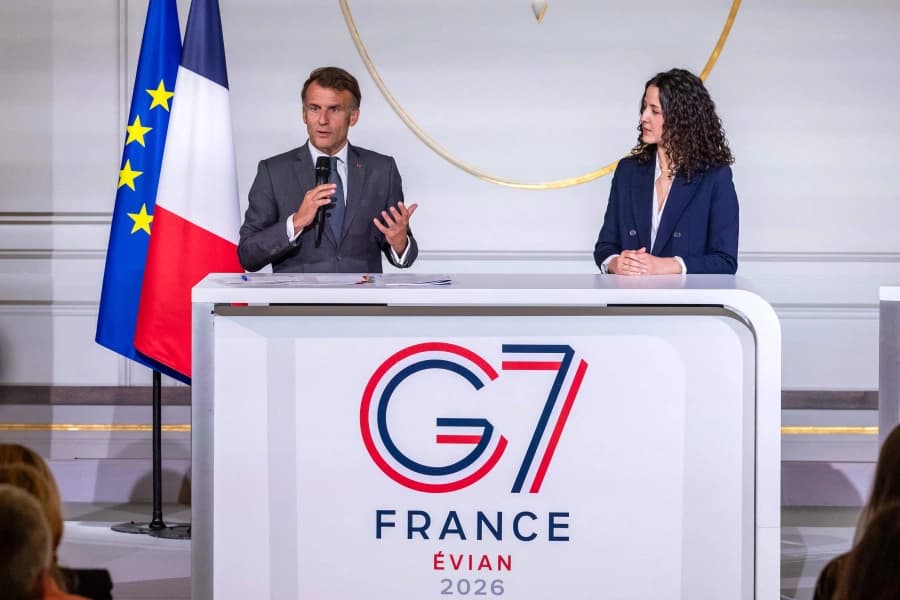
France has brought the G7 back to Évian-les-Bains with a blunt test of relevance: can the club still act like a coherent steering committee for the West when Donald Trump is in the room? The 52nd summit is set for June 15-17 on Lake Geneva, with Emmanuel Macron using France’s rotating presidency, held since January 1, 2026, to present unity among Canada, France, Germany, Italy, Japan, the United Kingdom and the United States, alongside the European Union’s António Costa and Ursula von der Leyen.
That show of cohesion is colliding with a deeper credibility crisis inside the group. The wars in the Middle East and Ukraine are expected to dominate the agenda, but trade disputes, China policy, artificial intelligence, energy security and critical supply chains are all harder to coordinate when summit theatrics eclipse policy alignment. France is trying to keep the meeting from turning into a confrontation with Trump, even as the White House’s position on Iran shapes the atmosphere before the leaders sit down.
Trump is expected to meet Middle Eastern partners on the sidelines and join a working session with Volodymyr Zelensky, making the summit as much about crisis management as collective strategy. France is also bringing executives from Anthropic, OpenAI, Google and Mistral AI into discussions on AI and online safety, a signal that Macron wants the gathering to reach beyond war and security into the technology rules that will shape the next decade.
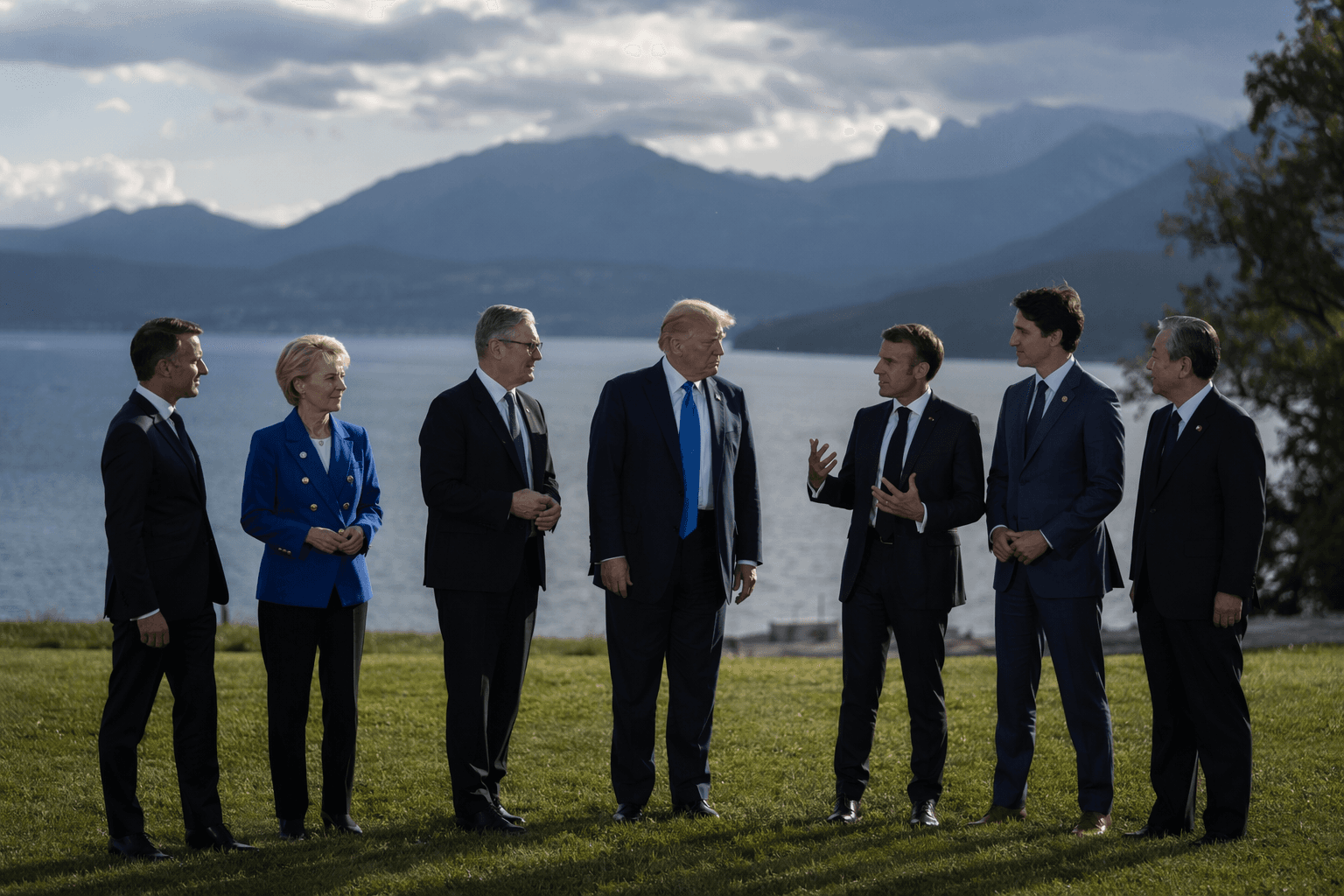
The problem for the G7 is that the Trump factor has repeatedly exposed how thin its consensus can be. At the 2018 summit in Quebec, Trump withdrew U.S. support for the joint communiqué and attacked Justin Trudeau after leaving. At last year’s G7 in Kananaskis, he departed early as the Iran-Israel crisis escalated, and leaders still struggled to produce ambitious joint agreements. Those episodes have left French officials trying to give Trump room for bilateral diplomacy while preventing the broader meeting from splintering.
Macron is adding a symbolic flourish after the summit, hosting Trump for dinner at the Palace of Versailles to mark the 250th anniversary of U.S. independence and underline Franco-American ties. France is also leaning on Évian’s own history, after the town hosted the 2003 G8, to argue that the lakeside resort can still host serious power politics. Whether that image survives the Iran war, the Ukraine file and the transatlantic strains around Trump will define the summit’s real value.
This article was produced by Prism’s automated news system from verified source data, official records, and press releases, then run through automated quality and moderation checks before publishing. The system is built and supervised by the people who set the standards it runs under. Read our full AI policy.
Know something we missed? Have a correction or additional information?
Submit a Tip