Gabbard resigns as intelligence director, cites husband’s cancer battle
Tulsi Gabbard quit as intelligence director after saying her husband was diagnosed with rare bone cancer. Her exit leaves Aaron Lukas in charge and deepens questions about who shaped Trump’s national-security agenda.

Tulsi Gabbard’s resignation as director of national intelligence ended a 15-month tenure that never fully placed her inside Donald Trump’s national-security circle. She was seldom visible when Trump made major national-security moves, and her departure leaves Aaron Lukas, the principal deputy, as acting director of national intelligence.
Trump’s choice of Lukas keeps the office in familiar hands. Lukas previously worked as a policy analyst at the Cato Institute and served in Trump’s previous administration as deputy senior director for Europe and Russia on the National Security Council. Gabbard’s exit also made her the fourth Cabinet official to leave during Trump’s second term, underscoring the turnover around the president’s national-security team.
Gabbard said she was stepping away to support her husband, who has been diagnosed with rare bone cancer and faces major challenges in the weeks and months ahead. The resignation closes a turbulent chapter for the office charged with coordinating the nation’s intelligence agencies at a time when Trump has faced scrutiny over how his administration handles war, intelligence, and public messaging. Gabbard’s departure matters because the intelligence director sits at the center of that coordination, even when the office’s influence is debated.
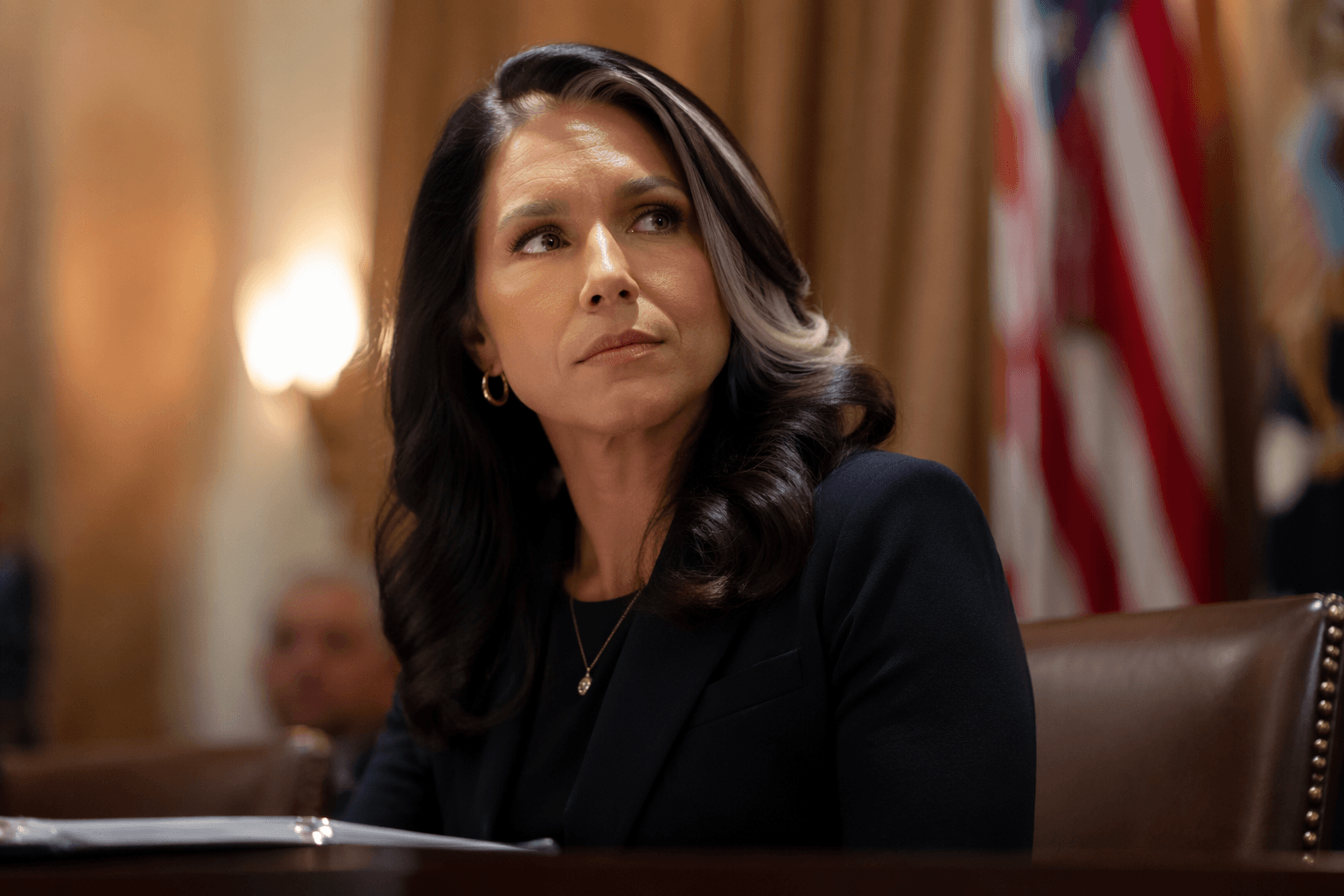
Her confirmation had already signaled how contentious the job would be. The Senate approved her on Feb. 12, 2025, by a 52-48 vote, with Mitch McConnell the only Republican to vote no. McConnell warned that she had a history of alarming lapses in judgment and was unprepared for the post. Senators also pressed her on her 2017 meeting with Bashar Assad, her sympathetic comments about Russia, her criticism of FISA Section 702 and her past support for Edward Snowden, even as she later reversed some of those positions during her confirmation hearing.
Rumblings about a break with Trump grew after his decision to strike Iran, which divided his administration. In a March 2026 hearing, Gabbard gave careful, noncommittal answers and avoided fully endorsing the strike. In written remarks to the Senate Intelligence Committee, she said Iran had not tried to rebuild its nuclear capability after U.S. attacks last year had “obliterated” its nuclear program, a statement that cut against Trump’s repeated claim that the war was needed to stop an imminent threat. Her resignation leaves the intelligence community with a new acting chief and another sign of how unsettled Trump’s second-term national-security machinery has become.
Know something we missed? Have a correction or additional information?
Submit a Tip