Comer probes Kalshi and Polymarket over insider trading safeguards
Comer opened a probe into whether Kalshi and Polymarket can stop traders from using nonpublic information on elections, wars and policy bets.
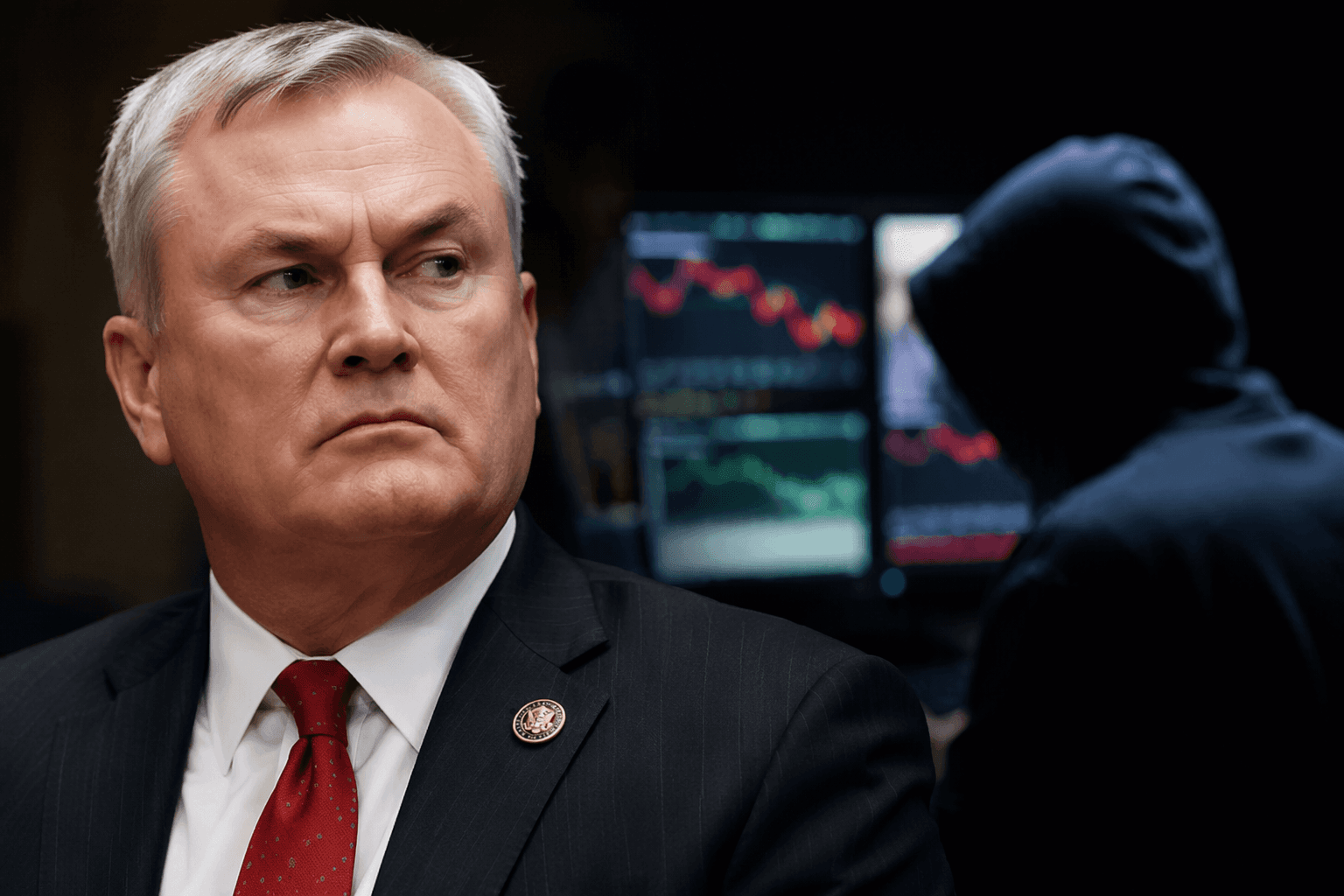
House Oversight Chairman James Comer opened a new front in Washington’s fight over prediction markets, pressing Kalshi and Polymarket to explain how they stop users from trading on nonpublic information. The Kentucky Republican sent letters to Kalshi chief executive Tarek Mansour and Polymarket chief executive Shayne Coplan asking for records on identity verification, geographic restrictions and the systems the firms use to flag suspicious or anomalous trading.
The inquiry goes to the core of a fast-growing market that lets users bet on elections, sports, government actions and geopolitical events. Comer said the companies’ internal records are the best way to identify bad actors and determine whether the platforms are meeting legal obligations. The House Committee on Oversight and Government Reform gave both firms two weeks to turn over documents.
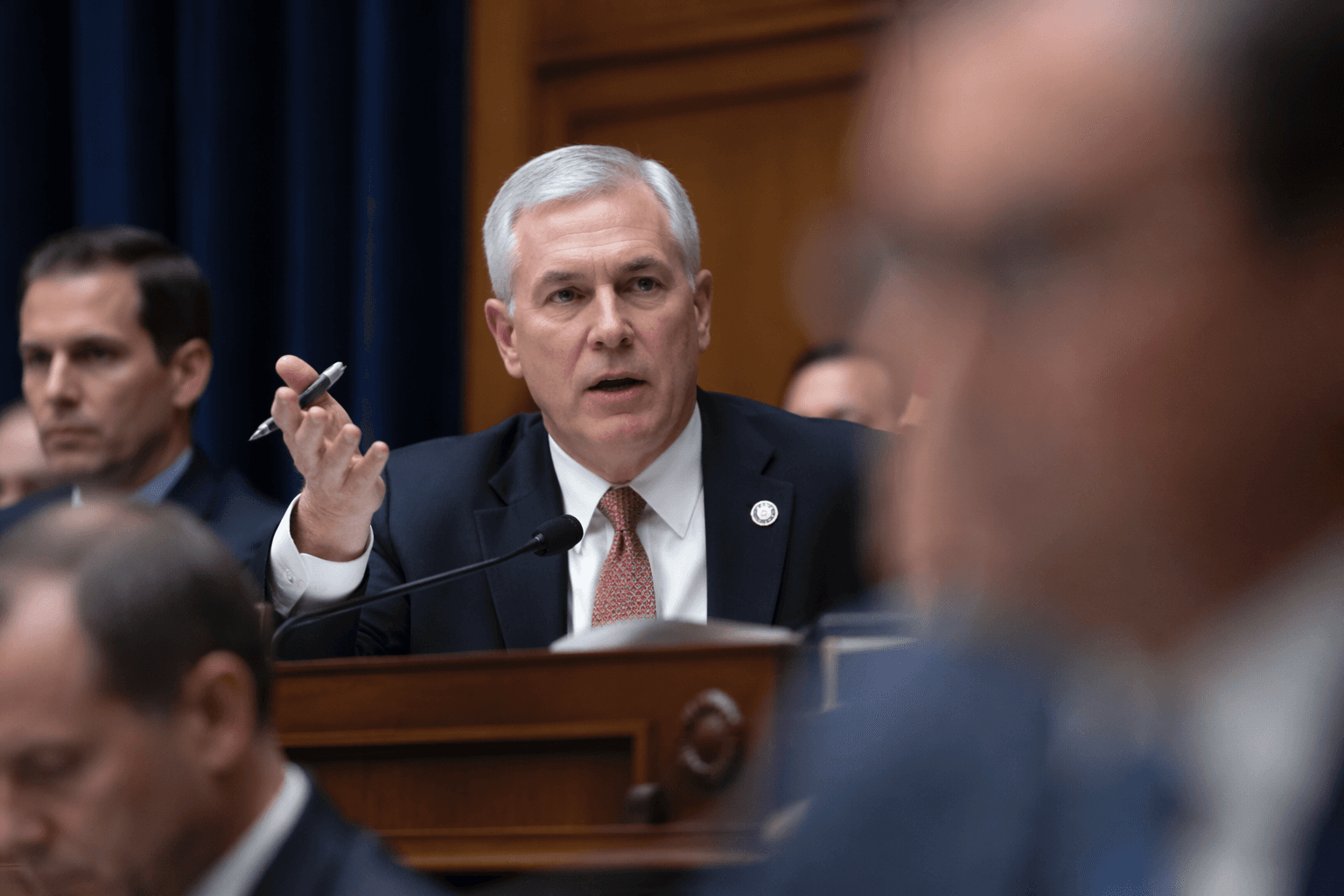
The committee’s move was prompted in part by a New York Times investigation it cited, which said more than 80 Polymarket users placed suspiciously timed bets, including wagers made hours before undisclosed U.S. and Israeli military operations against Iran. Lawmakers also pointed to a May 2025 case in which gubernatorial candidate Kyle Langford reportedly placed a $200 wager on his own race through Kalshi, along with reports that three other politicians bet on contests involving their own campaigns.
A federal indictment unsealed on April 24 added to the scrutiny. It alleged that U.S. Army Master Sergeant Gannon Ken Van Dyke used classified information about Operation Absolute Resolve, the operation that led to the capture of Venezuelan President Nicolás Maduro, to place wagers that generated more than $409,000 in profits. Comer said on CNBC’s Squawk Box that the risk was broader than isolated misuse, warning that members of Congress, administration officials and other government employees could use insider knowledge to profit from government-related events.
Kalshi said through head of communications Elisabeth Diana that it looks forward to engaging with the committee and that, as a U.S.-regulated exchange, it has comprehensive protections against insider trading. Polymarket did not immediately respond to a request for comment.
The probe lands as prediction markets have expanded rapidly and drawn closer scrutiny from federal and state officials. The Commodity Futures Trading Commission regulates prediction markets and prohibits insider trading, but lawmakers and NPR have said the legal framework may not have kept pace with exchanges that can move from niche betting products to politically sensitive markets in real time.
Know something we missed? Have a correction or additional information?
Submit a Tip