Trump strengthens grip on GOP voters, but loses sway in Congress
Trump’s primary machine kept crushing critics like Thomas Massie and Bill Cassidy, but Senate Republicans still derailed his $72 billion immigration push.
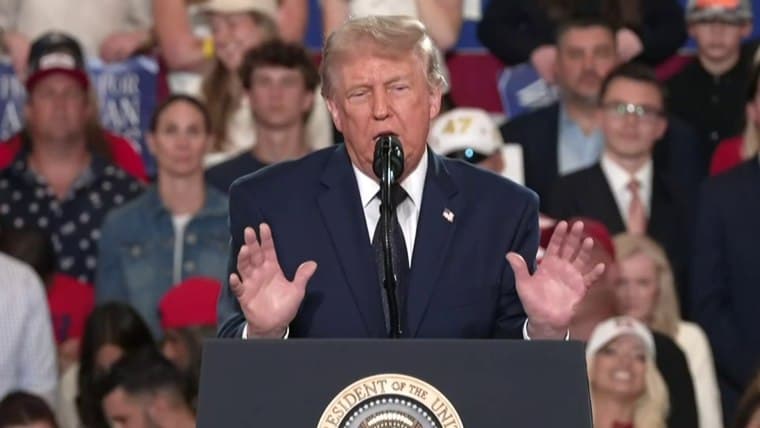
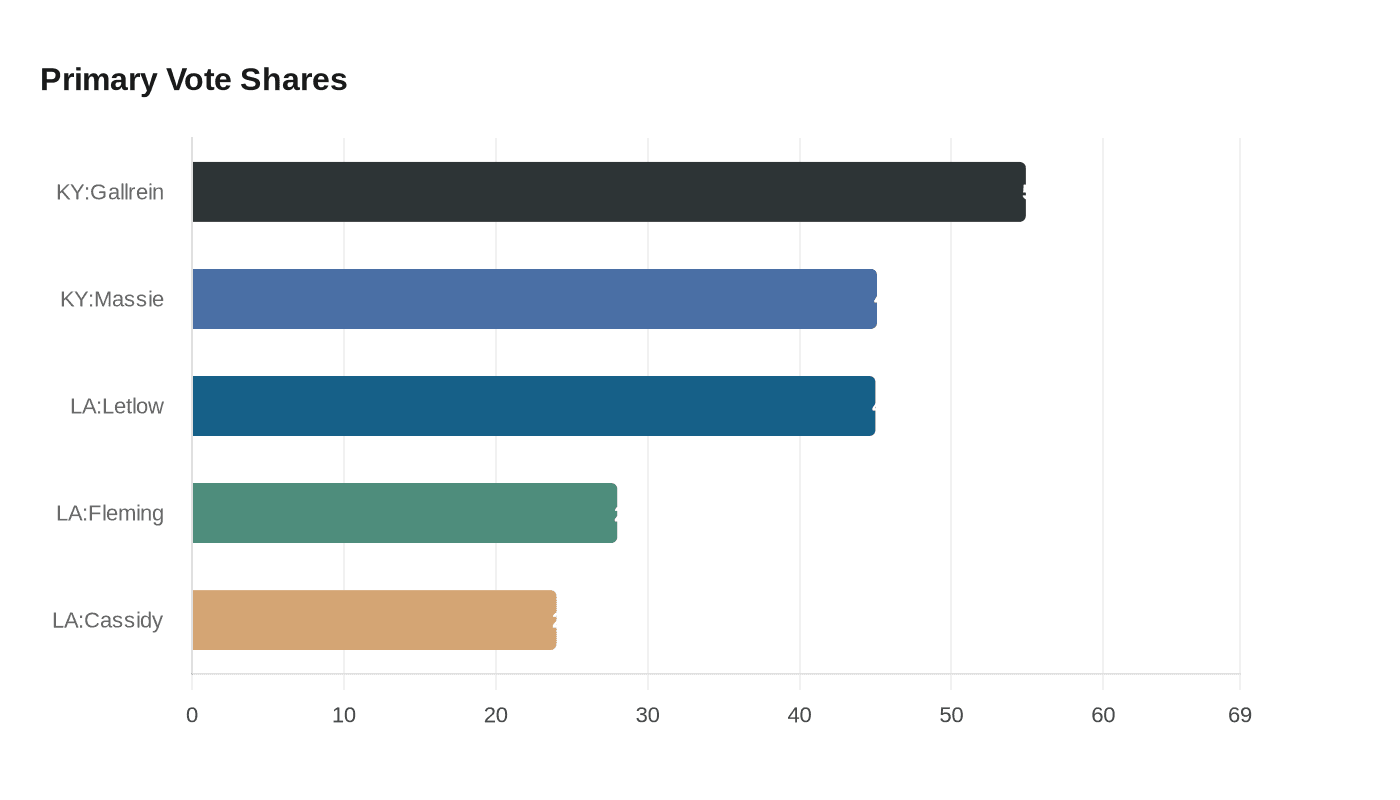
Trump’s hold on Republican voters stayed formidable, but Capitol Hill told a different story. In Kentucky, his endorsed challenger Ed Gallrein defeated Rep. Thomas Massie, 54.9% to 45.1%, in what became the most expensive intraparty House fight on record. In Louisiana, Sen. Bill Cassidy fell out of contention, with Trump-backed Rep. Julia Letlow finishing first at about 45%, state Treasurer John Fleming taking about 28%, and Cassidy landing in third at about 24%. Those wins showed Trump can still punish Republicans who cross him, yet they also exposed how much harder it is to turn primary strength into votes in Congress.
The limits were clearest in the Senate. A party-line vote on $72 billion in immigration enforcement money was pulled as lawmakers left Washington for June, missing a June 1 deadline Trump and Republican leaders had set. The delay grew out of anger from Senate Republicans over Trump’s $1.8 billion taxpayer fund for people who say they were targeted by the government, including potentially Jan. 6 rioters. Trump also tried to tie the bill to security money for his White House ballroom renovation and the unrestricted use of his anti-weaponization fund, but Senate Republicans had little appetite to hand him the unrelated victories he wanted.
On the House side, factional politics and self-preservation kept breaking through. Republicans joined Democrats to rebuke Trump’s handling of the Iran war, deny public money for the ballroom and criticize the anti-weaponization fund. Speaker Mike Johnson tried to reassure uneasy members, saying, “We need people here … who are not trying to carve out their own lane and do something that’s destructive or counterproductive to the agenda, and that’s what’s happened. That’s the message.” But even as Trump attacked Rep. Brian Fitzpatrick, Don Bacon called the move “It’s dumb,” and Fitzpatrick said Trump’s attacks had “zero” effect on his positions. In other words, the members most exposed to tough general elections had their own incentives, and Trump’s pressure was not enough to erase them.
That is the split screen for Trump’s second term: dominant enough to clear the field in primaries, but still constrained by a narrow governing coalition, a restless Senate, and House Republicans who know their own political survival can matter more than presidential loyalty. He can still settle scores at the ballot box; converting that into durable legislative power remains a harder lift.
Know something we missed? Have a correction or additional information?
Submit a Tip