George Floyd police reform bill stalls in Senate amid renewed push
Six years after George Floyd was killed, the policing bill named for him is still stalled in the Senate, even as Minneapolis faces court-enforceable reform orders and new pressure builds.
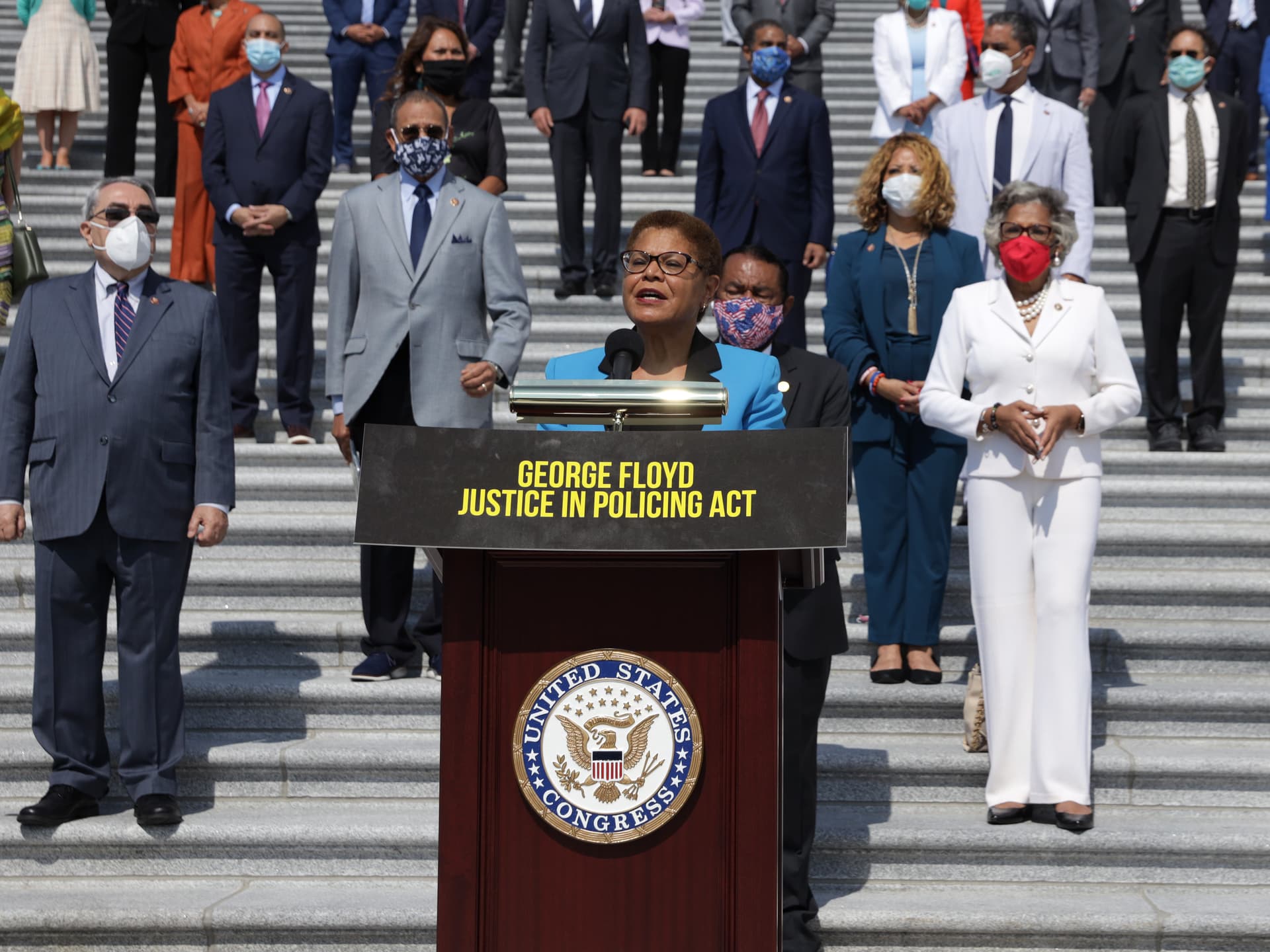
George Floyd’s death at 38th Street and Chicago Avenue forced the country to confront police violence in public, in court and in Congress. Six years later, the measure carrying his name has cleared the House twice, yet the George Floyd Justice in Policing Act still has not become federal law, leaving the central question unresolved: whether Washington will impose national standards on force, discipline and accountability.
The bill was first introduced in the House on February 24, 2021, and passed on March 3, 2021, by a 220-212 vote. It was designed to hold law enforcement accountable for misconduct in court, improve transparency through data collection and change police training and policies. But the Senate never advanced it, and the political momentum that followed Floyd’s murder has not produced a final federal rewrite of policing rules.
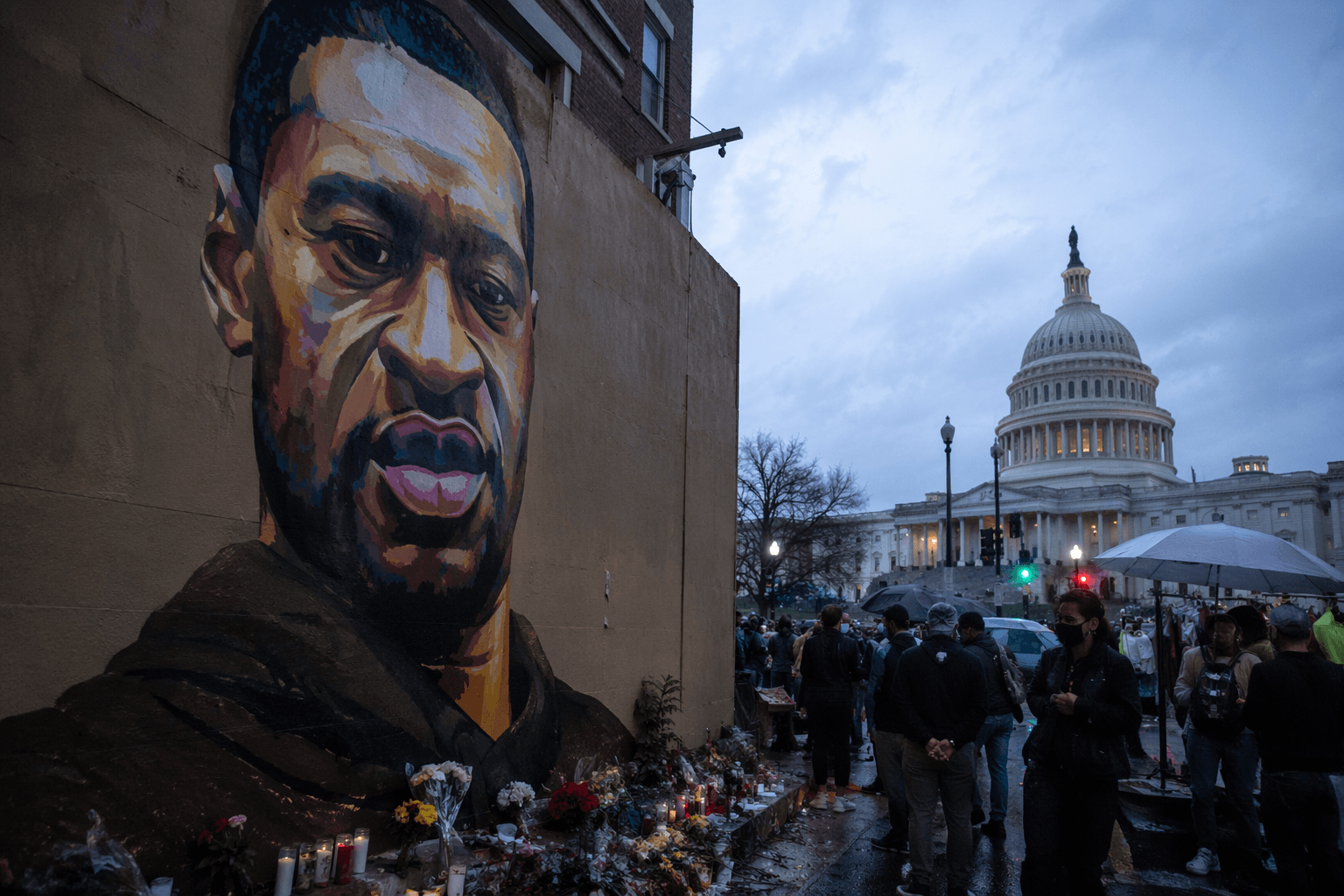
Lawmakers tried again in 2024. The House version, H.R. 8525, was introduced on May 23, 2024, and the Senate version, S. 4991, was introduced on August 1, 2024, then referred to the Senate Judiciary Committee. In 2025, Democratic Rep. Glenn Ivey of Maryland said he was making a renewed push for the bill, joining Minnesota Attorney General Keith Ellison in reflecting on how little of the post-Floyd demand for structural change has been converted into national law.
Civil rights groups including the NAACP and the National Urban League have also renewed pressure on Congress, arguing that the bill remains a necessary step toward accountability. Their push underscores the gulf between symbolism and enforcement: protests brought policing to the center of national debate, but the federal government still has not imposed the same baseline rules everywhere.
Minnesota has moved further than Congress. The Minnesota Department of Human Rights reached a court-enforceable agreement with Minneapolis on March 31, 2023, and it was approved on July 13, 2023, requiring transformational changes to address race-based policing. The U.S. Department of Justice announced another court-enforceable agreement with Minneapolis and the Minneapolis Police Department on January 6, 2025, after finding a pattern or practice of unconstitutional conduct.
Ellison has treated the criminal cases against Derek Chauvin as accountability, not full justice. Chauvin was sentenced on June 25, 2021, to 22.5 years in state prison for murder convictions, then received a 252-month federal sentence on July 7, 2022, for depriving Floyd and a then-14-year-old boy of their civil rights. Those punishments closed one chapter, but they did not settle the larger fight over whether police departments can show measurable improvement in use of force, discipline and public trust.
Know something we missed? Have a correction or additional information?
Submit a Tip