Gabbard resigns as US intelligence chief to support husband with cancer
Tulsi Gabbard will leave the nation’s top intelligence post on June 30 after her husband’s rare bone cancer diagnosis, handing day-to-day control to Aaron Lukas.
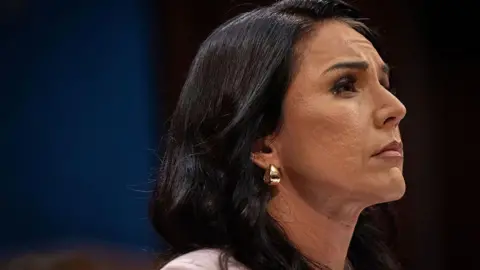
Tulsi Gabbard will step down as director of national intelligence on June 30, ending a 17-month tenure that placed her at the center of U.S. intelligence coordination during a volatile stretch for American security. Gabbard said she is leaving to help her husband, Abraham Williams, after his diagnosis with an extremely rare form of bone cancer.
Gabbard told President Donald Trump of her decision during an Oval Office meeting, and her resignation letter was posted publicly on X. The move strips the White House of a Senate-confirmed intelligence chief at a moment when the director of national intelligence remains central to managing information flow across the U.S. intelligence community, especially as the United States is engaged in a military campaign with Iran alongside Israel.
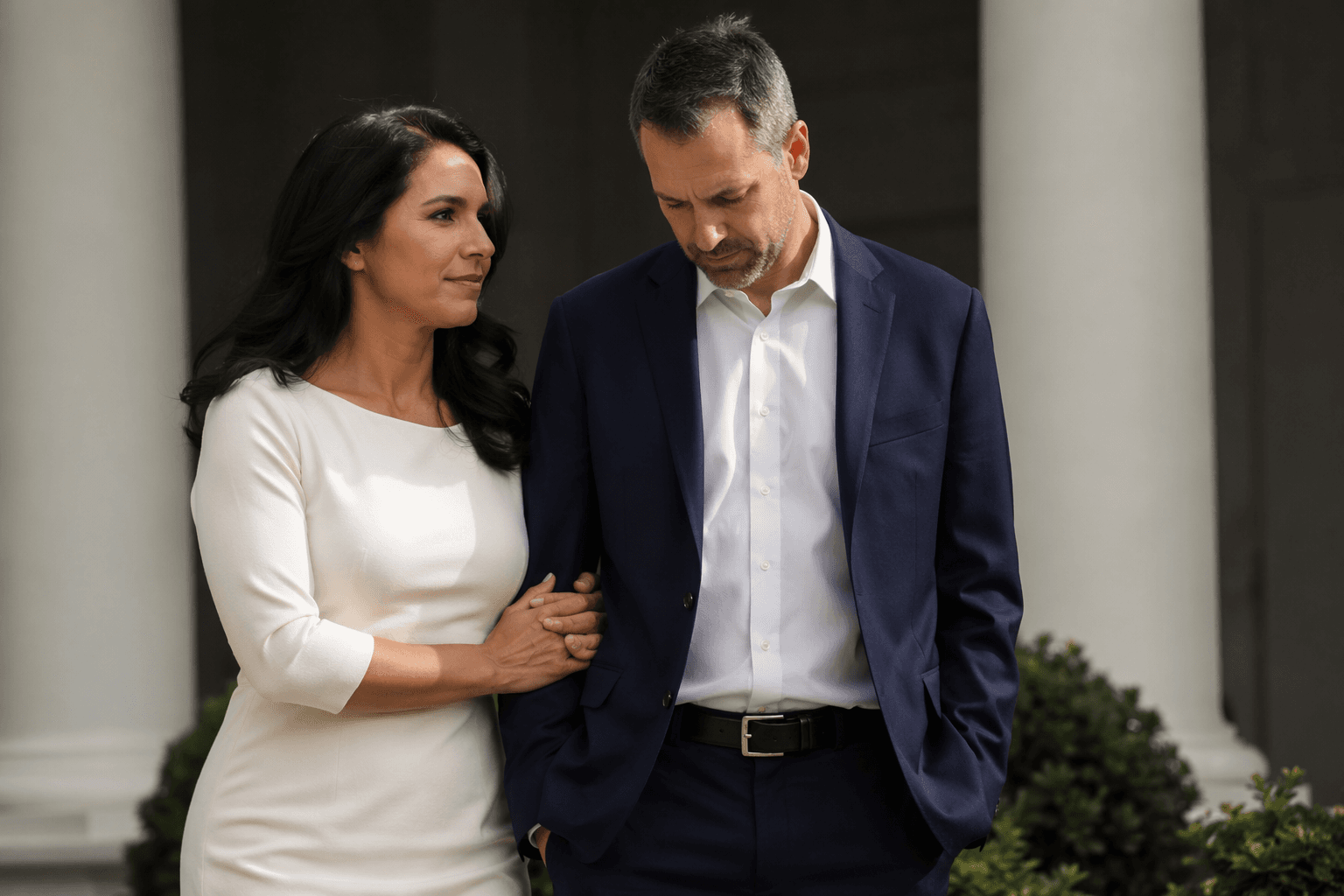
The Office of the Director of National Intelligence said Gabbard took the oath of office on February 12, 2025, as the eighth Senate-confirmed person to hold the post and the first female combat veteran to serve as DNI. In her resignation letter, she said she had served in the role for the last year and a half. Her departure also marks the fourth Cabinet-level exit in Trump’s second term, underscoring the churn inside a national-security team already operating under pressure.
Aaron Lukas, the principal deputy director of national intelligence, is positioned to take over in an acting capacity after Gabbard leaves. That arrangement should provide continuity inside the Office of the Director of National Intelligence, but it also leaves the administration with an interim leader at a sensitive time, when intelligence coordination around Iran and broader regional developments is under heavy strain.
Gabbard’s tenure was marked by persistent tension with the White House over her anti-war views, adding a political dimension to an otherwise personal decision. Her husband has long been a visible presence in her political life, and the resignation was framed as a choice to put family first during a medical crisis. For the intelligence community, the immediate question is not just who steps into the job, but whether an acting director can hold together a sprawling network of agencies without slowing decisions on one of the administration’s most consequential national-security fronts.
Know something we missed? Have a correction or additional information?
Submit a Tip

