Games Workshop bans AI in design, cites IP and creator protection
Games Workshop is banning AI-generated and AI-assisted design in its art and sculpture processes, citing intellectual property and data governance concerns and protecting human creators.
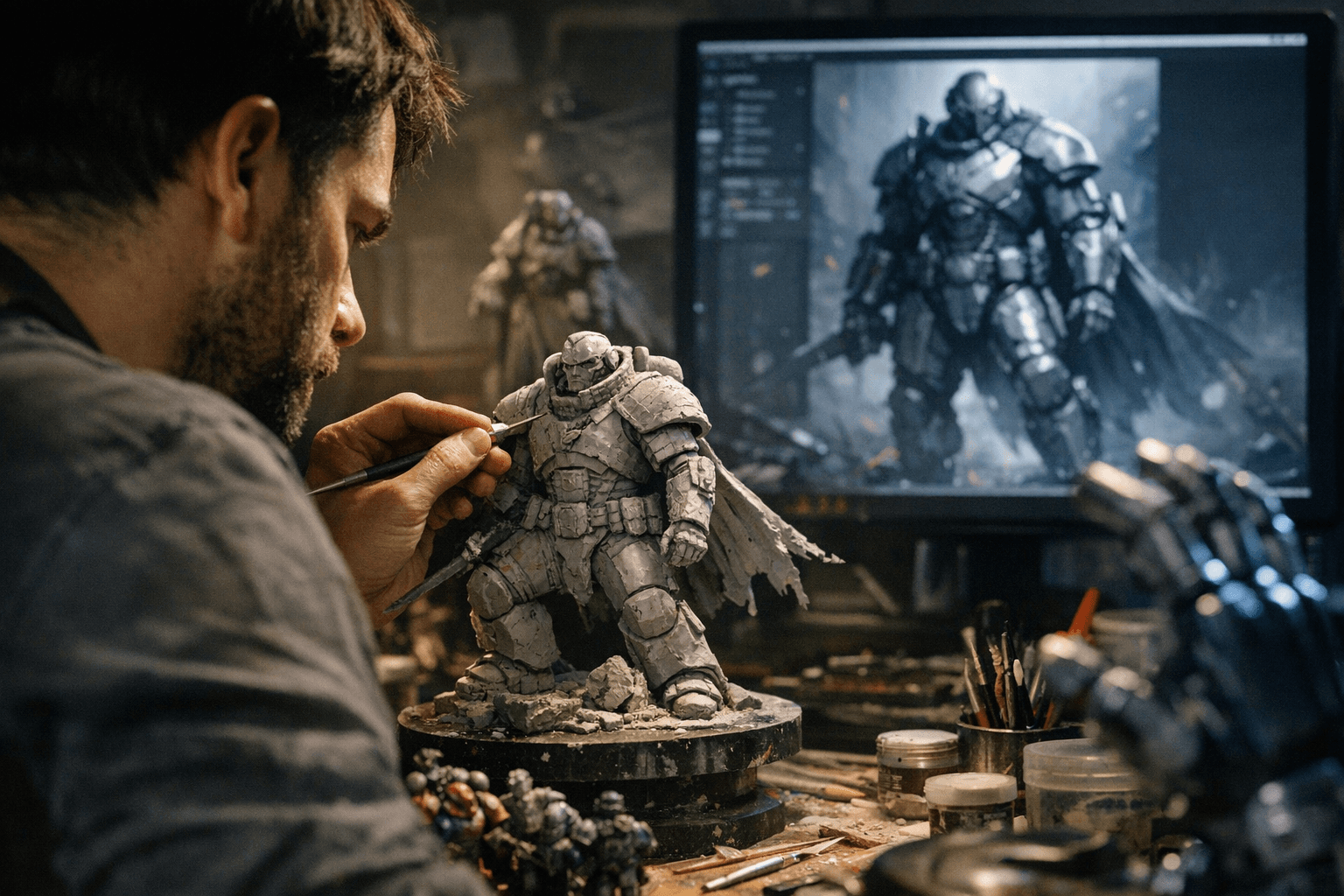
Games Workshop has told investors it will not allow AI-generated content or AI-assisted design to be used in its art and sculpture design processes, saying the company is taking a "very cautious" approach to generative AI. CEO Kevin Rountree confirmed the group has an internal policy that bars AI in design work and forbids unauthorised AI use across the business, including in competitions, while senior managers may still investigate the technology.
The announcement arrives alongside the firm’s half-year update and ties directly into wider concerns about protecting Games Workshop’s intellectual property and the livelihoods of in-house and freelance creators. For a hobby built on recognisable silhouettes, sculpted detail and tightly controlled IP, the company describes data governance and creator protection as core reasons for the restriction. That places a hard line between permitted digital tools and generative systems that train on external datasets.
Practically, the move affects several parts of the hobby ecosystem. Studio designers and sculptors working on official releases must avoid any AI-assisted concepting or sculpt workflows. Commission painters, independent sculptors and content creators who supply imagery, box art or contest entries tied to Games Workshop events should treat the policy as a clear warning: unspecified use of AI is prohibited in authorised work and in company-run competitions. The company’s emphasis on human authorship also signals tighter scrutiny of submitted art and design files, and could push tournament and event organisers to update entry rules and verification practices.
This stance is a reminder that the hobby’s provenance matters. If you craft conversions, kitbash or design custom terrain, document your process and retain source files and photos to show the steps you took. If you run events or judge competitions, clear rules on acceptable tools and transparent submission guidelines will reduce disputes and protect entrants. Freelancers and studio artists who supply art or sculpts to Games Workshop or to licenced partners should review contracts and confirm what tools are permitted before billing work.
The policy does leave room for controlled study: senior managers may investigate generative AI, which suggests the door is not shut forever if governance, training data and rights issues can be resolved. But for now the company is prioritising legal and creative safeguards over rapid adoption.
Our two cents? Keep your nippers and sculpting tools at hand and your process visible. If you rely on digital shortcuts, switch to clear documentation and ask organisers or clients if AI-assisted steps are acceptable before you submit work. That simple verification will save headaches and keep your creations contest-eligible and commercially compliant.
Know something we missed? Have a correction or additional information?
Submit a Tip