GameStop Unveils Performance Pay Plan Valued at Roughly $35 Billion
GameStop on Jan. 7 unveiled a performance-based compensation package for CEO Ryan Cohen that could be worth roughly $35 billion if highly ambitious targets are met. The award ties nine tranches of stock options to a more-than-tenfold market-cap increase and steep profitability gains, a move that raises governance questions and signals a high-stakes pivot for the struggling retailer.
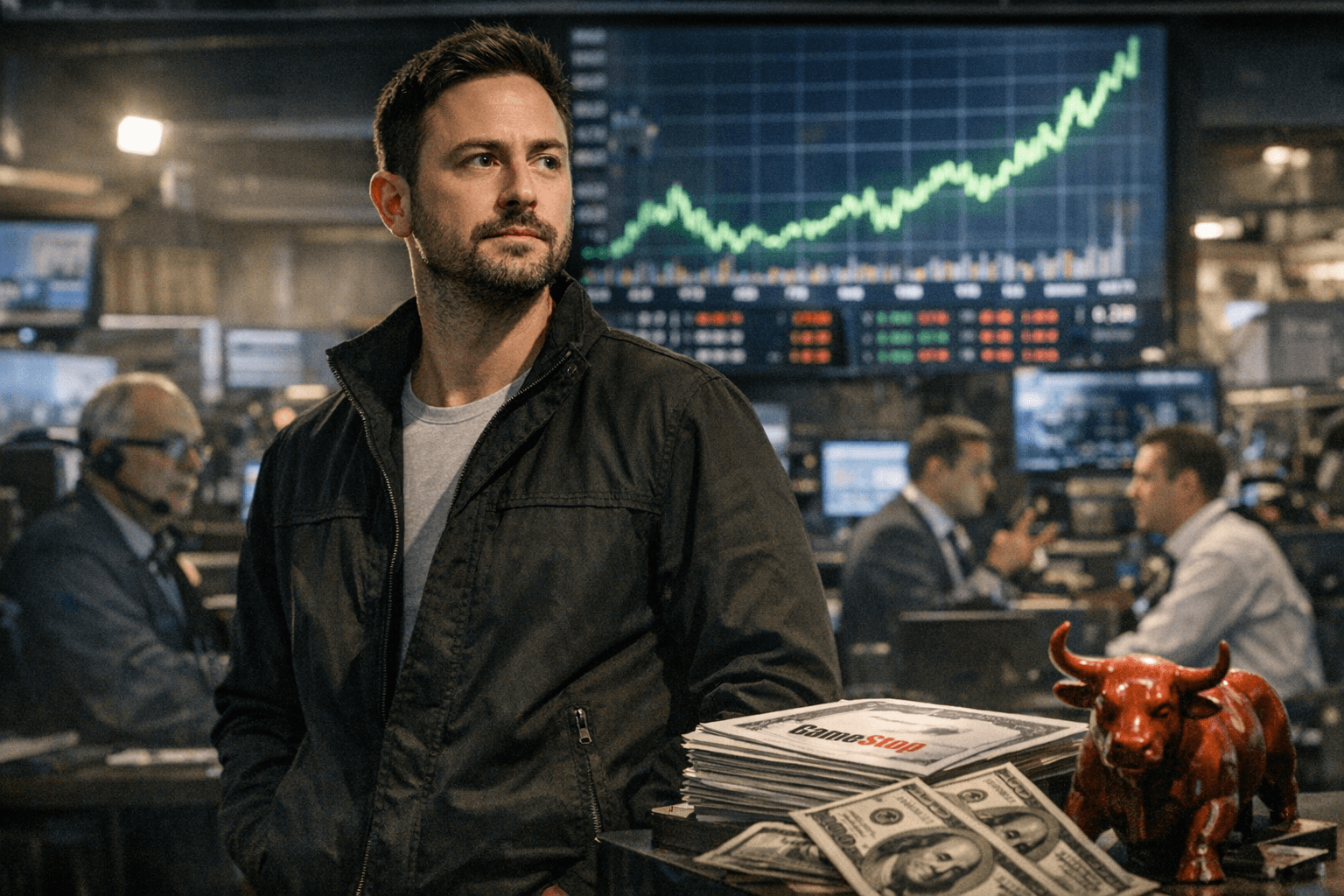
GameStop Corp. announced a performance-oriented pay package for Chief Executive Ryan Cohen on Jan. 7 that links almost the entirety of the award to aggressive market-cap and profit milestones. The package is primarily structured as stock options split into nine performance tranches and vests only if the company meets a set of steep targets described in the company’s disclosure.
Under the conditions disclosed, Cohen would need to shepherd GameStop to a market capitalization near $100 billion from a current market capitalization of roughly $9.3 billion, a rise of more than tenfold. The plan also ties vesting to substantial profitability gains, with a reported cumulative performance goal of $10 billion in EBITDA over the performance period. Financial analysts and data providers cited by the company estimate the maximum economic value of the package at about $35 billion if all targets are achieved.
The board approved the award after deliberation and with the advice of an independent compensation consultant, and the company said Cohen recused himself from board discussions and votes on the matter. Cohen, who assumed the chief executive role in 2023 and also serves as chairman, already owns roughly 8.3 percent of GameStop’s outstanding common stock. His tenure has been marked by a restructuring that included significant cost cuts and store closures as the company seeks to stabilize amid years of revenue declines tied to the shift toward digital game distribution.
Market reaction to the announcement was modestly positive in early trading, with shares lifting in the neighborhood of 3 to 4 percent as investors parsed the scale and contingency of the award. The stock also drew heightened attention on social trading platforms and forums, where the size and structure of the package generated brisk discussion.
The compensation design reflects a high-risk, high-reward governance choice. Tying pay to market-cap and cumulative EBITDA aligns executive upside with shareholder value in theory, but the numeric scale of the targets, essentially requiring an order-of-magnitude market re-rating and a major improvement in operating profits, makes the award contingent on a dramatic business transformation. Achieving a $100 billion market capitalization would likely require GameStop to expand beyond traditional retail fundamentals, either by unlocking new revenue streams, materially improving margins, or gaining speculative valuation premia similar to high-growth technology firms.
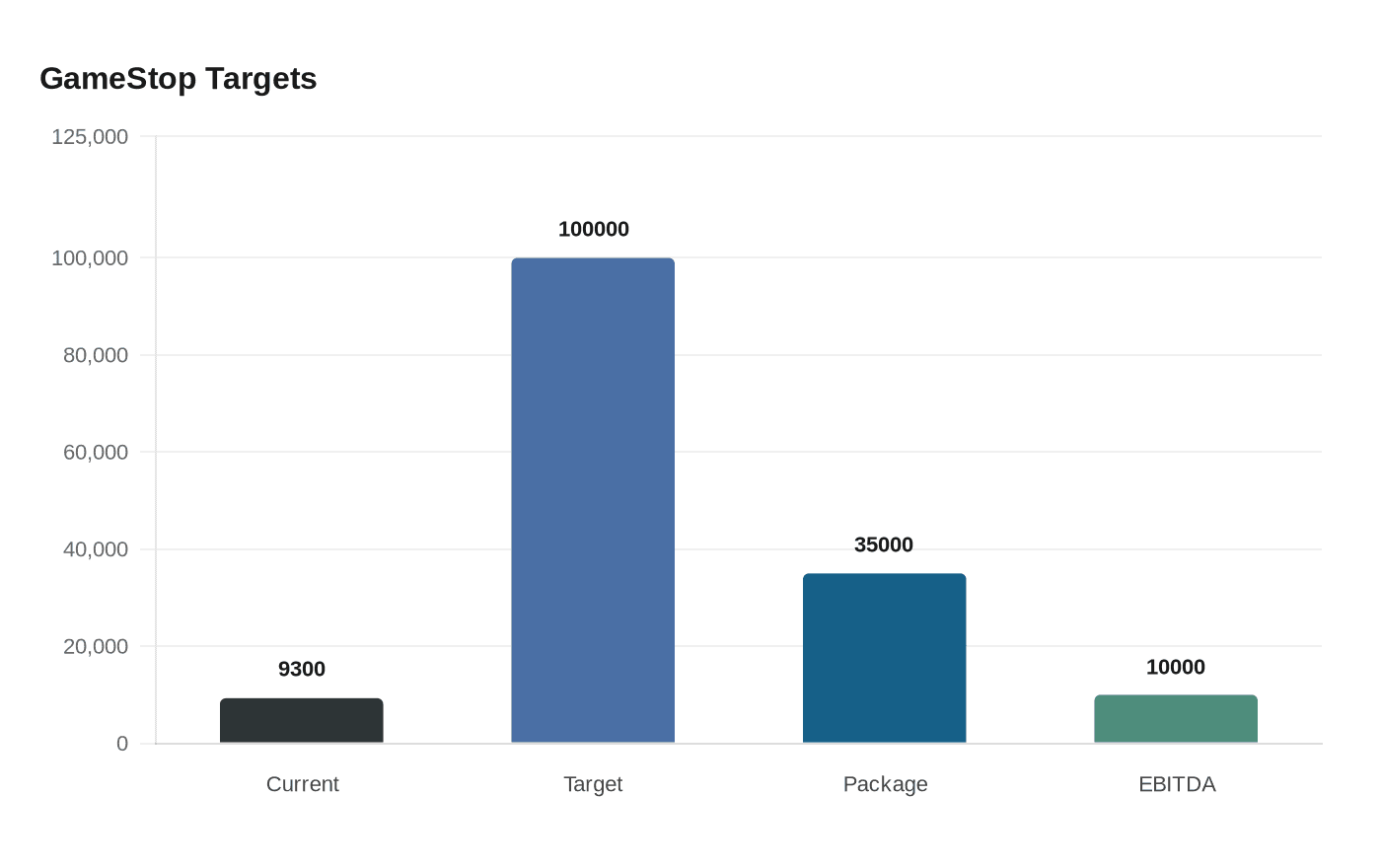
For investors and policymakers the package will prompt scrutiny of incentive design and potential dilution effects if large option tranches are exercised. The board’s use of an independent adviser and Cohen’s recusal address immediate conflict-of-interest concerns, but the optics of a near- $35 billion upside in pay for a CEO who already holds a significant equity stake are likely to draw attention from institutional shareholders and governance watchdogs.
Longer term, the award underscores a broader trend of outsized equity-based compensation in turnaround situations where boards seek to recruit or retain a founder-style leader able to execute transformational change. Whether the targets prove achievable will depend on GameStop’s ability to convert strategy into sustained profit improvements and on investor willingness to price those changes into the stock.
This article was produced by Prism’s automated news system from verified source data, official records, and press releases, then run through automated quality and moderation checks before publishing. The system is built and supervised by the people who set the standards it runs under. Read our full AI policy.
Did this article answer your question?