Ganado Mother-Daughter Weavers Debut Rug Line at Heard Museum March 6
Ganado weavers Mary Henderson Begay and daughter Gloria Fain will debut a machine-made rug line at the Heard Museum March 6, boosting local visibility and potential income for Ganado artists.
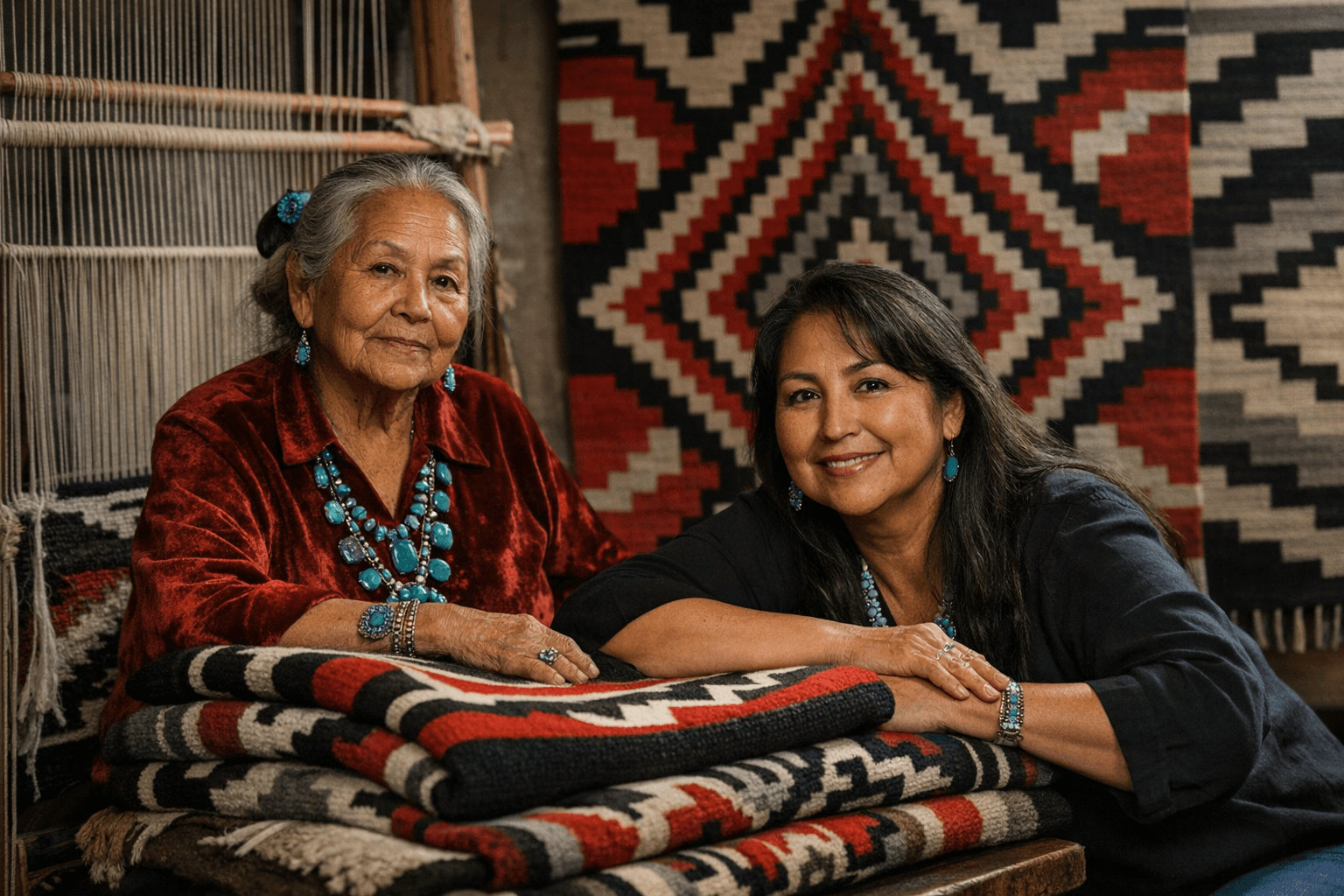
Mary Henderson Begay and her daughter Gloria Fain of the Ganado area are bringing Navajo vertical-loom designs to a broader market with a new rug line that will debut March 6 at the Heard Museum in Phoenix. The collaboration with American Dakota translates traditional Diné weaving patterns into machine-made rugs produced with EnduraStran yarn, under design names that include "The Rising," "Mountain Blessing," "Scapes," and "Blue Ribbon."
The project frames a practical effort to convert the visual language of Ganado weaving into products that can reach museum visitors and mainstream retail buyers. By adapting vertical-loom motifs to machine production, the collaboration aims to increase the reach of Ganado design aesthetics without requiring every buyer to purchase a time-intensive handwoven piece. For Apache County residents, that can mean new market recognition for local patterns and an expanded revenue pipeline tied to Phoenix tourism and museum retail exposure.
Economic effects for Ganado will depend on how proceeds and branding are structured. Machine-made rugs typically carry lower retail prices than single-loom handwovens but can move higher volumes. The Heard Museum debut offers the weavers an institutional platform that often draws regional shoppers and collectors, potentially amplifying demand for both the machine-made line and traditional handwoven work. The move also highlights the local arts economy’s shift toward hybrid production models that pair cultural designs with industrial textile processes.
The collaboration raises cultural and market questions familiar to Diné artisans. Translating vertical-loom patterns into mass-produced products can expand audiences, but it can also prompt debate about authenticity, attribution, and fair compensation for original weavers. For Ganado, where textile tradition remains a core cultural and economic practice, tracking how benefits flow back to individual weavers and family workshops will be central to community assessment of the project’s long-term value.
For local arts leaders and policymakers, the debut is an opportunity to consider support mechanisms that protect cultural heritage while fostering market access. Potential actions include clearer labeling of machine-made versus handwoven items, partnerships that direct a share of revenues to community weaving programs, and local marketing that ties museum exposure back to Ganado galleries and trading posts.
The March 6 unveiling at the Heard Museum is more than a gallery moment; it signals how Ganado design can be woven into wider markets. For Apache County residents, the event offers both a point of pride and a reminder to monitor how institutional partnerships convert cultural capital into sustained local economic gains.
Sources:
Know something we missed? Have a correction or additional information?
Submit a Tip