Gary Cohn says Iran truce would ease prices gradually, not overnight
Gary Cohn warned that even a U.S.-Iran truce would not deliver instant relief, even as gasoline prices had already slid from $4.56 to $4.074 a gallon.

Even if Washington and Tehran sealed a truce, Gary Cohn said Americans should not expect relief at the pump to arrive in a rush. The former White House economic adviser said prices were “not going to fall like a rock overnight” and argued that the pace of any decline would depend on what happened to the Strait of Hormuz, the narrow waterway that carries a major share of global oil.
Cohn made the case on Face the Nation with Margaret Brennan as Qatari mediators traveled to Tehran to help finalize the truce in the U.S.-Iran war. He said the market response would be gradual, with consumers feeling the psychological effect first and the actual price cuts arriving later as oil flows normalize. “We’re going to have to see exactly what happens with the straits,” he said.
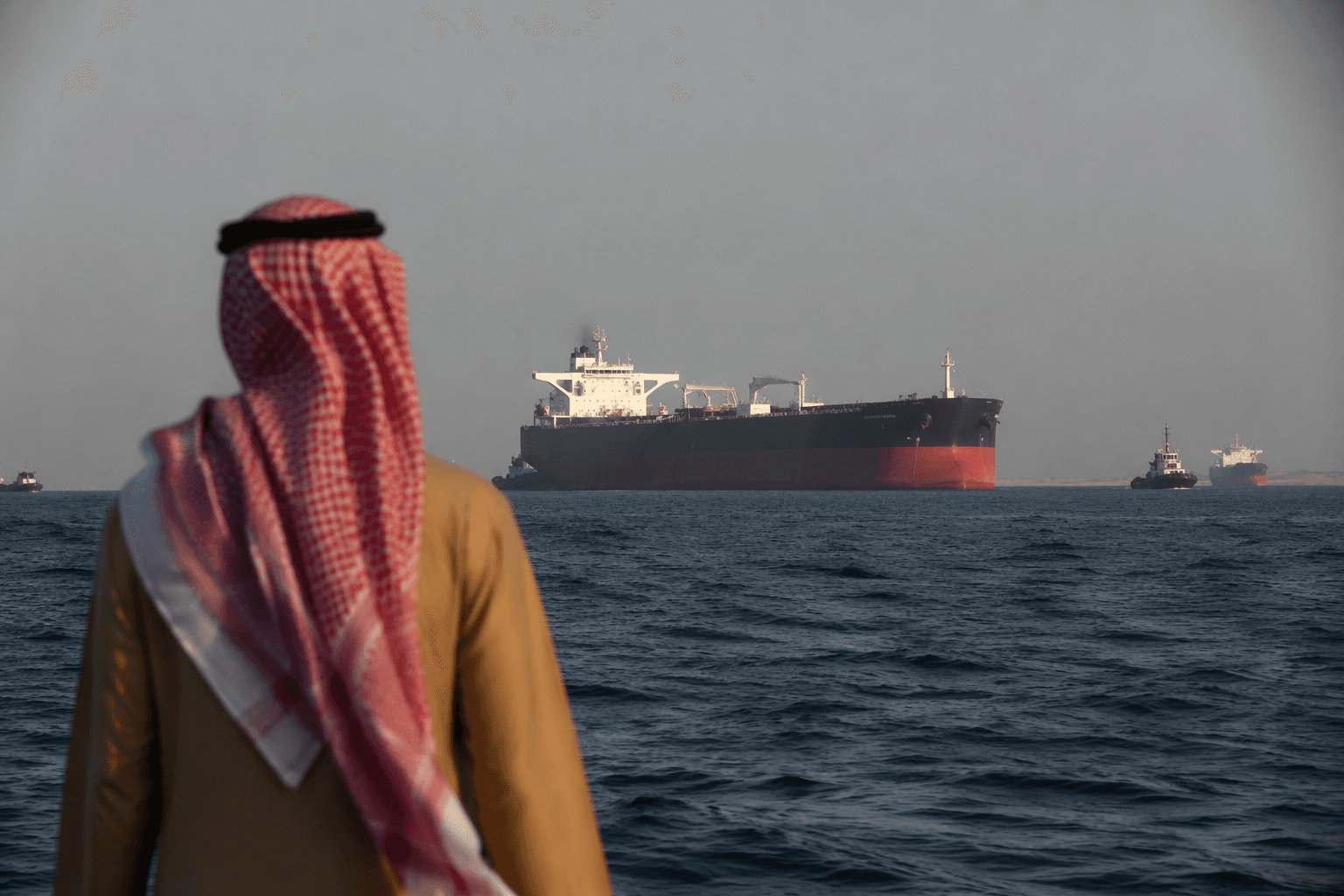
The Strait of Hormuz is the key choke point in the story. CBS reported in March that traffic through the waterway had been dramatically curtailed after the war began, helping push crude above $100 a barrel for the first time since 2022. The strait ordinarily carries about 20% of the world’s oil, or roughly 15 million barrels a day, moving from the Persian Gulf toward the Gulf of Oman and the Arabian Sea. By June 14, CBS said more than 200 commercial vessels had safely passed through, but traffic was still far below prewar levels.
That is why Cohn’s warning fits the way energy prices usually move. Even when geopolitical risk eases, crude oil, shipping insurance, refinery operations and retail pricing do not reset at the same speed. Cohn said gasoline was already about 10% off its recent highs, and he suggested prices should keep easing once the strait reopens and oil starts flowing again. Grocery and other retail prices, he said, could take longer to turn back.
The numbers already pointed in that direction. AAA said the U.S. national average price for regular gasoline had fallen for three straight weeks, dropping from $4.56 on May 21 to $4.12 on June 11. By June 14, AAA put the national average at $4.074, showing that some relief was already reaching drivers even before any final truce terms were settled. Cohn’s message was less about a price crash than a reminder that energy shocks unwind slowly, even after the headlines improve.
This article was produced by Prism’s automated news system from verified source data, official records, and press releases, then run through automated quality and moderation checks before publishing. The system is built and supervised by the people who set the standards it runs under. Read our full AI policy.
Did this article answer your question?