Gas prices jump 35 percent, but fast-food sales hold strong
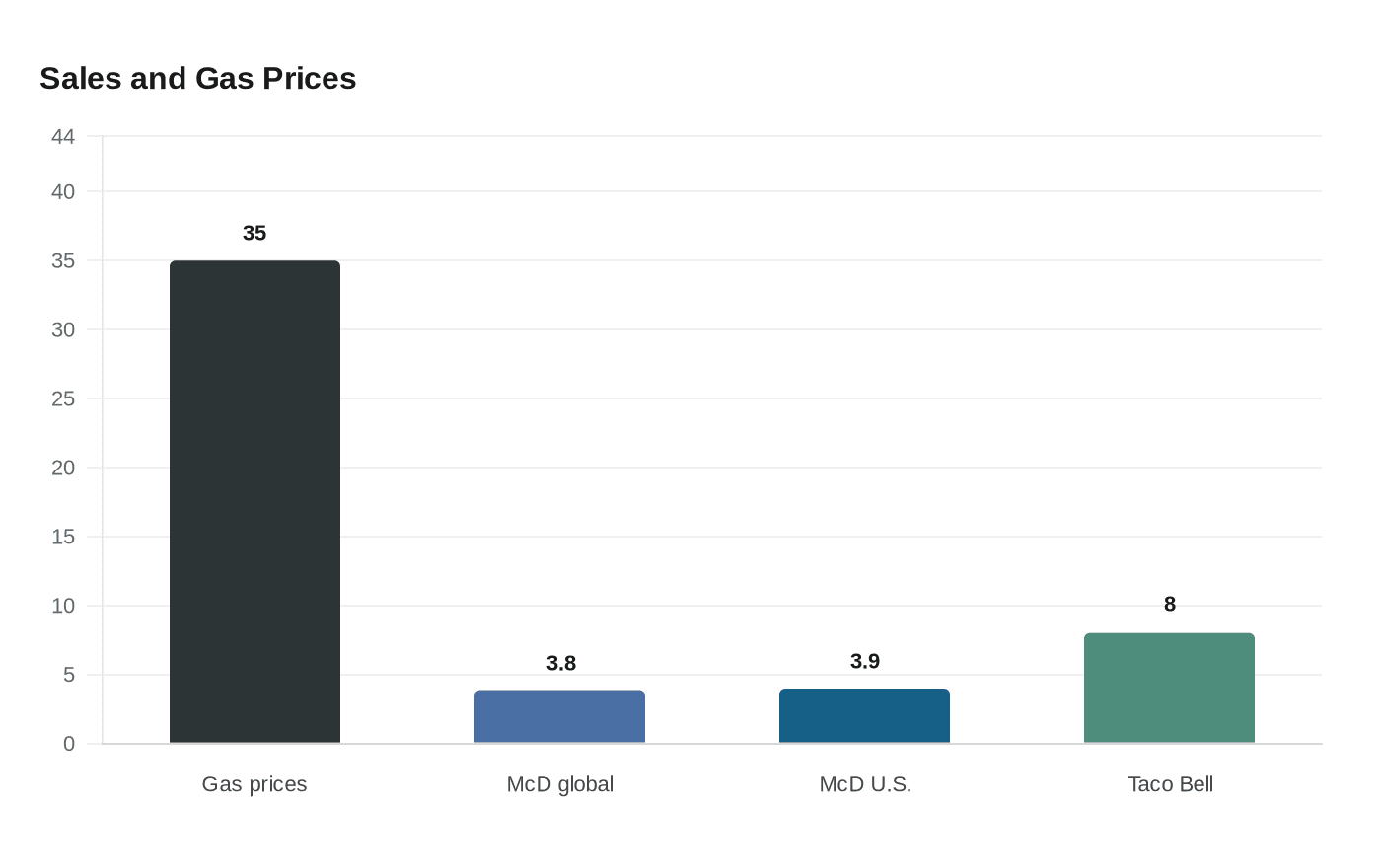
Gasoline jumped 35 percent in March, yet McDonald’s, Burger King and Taco Bell still posted sales gains as bargain menus pulled in budget-minded diners.
A 35 percent jump in the average price of regular unleaded gasoline in March did not break fast-food demand. McDonald’s, Burger King and Taco Bell all reported stronger sales, a sign that cheap convenience is still winning over households trying to stretch every dollar.
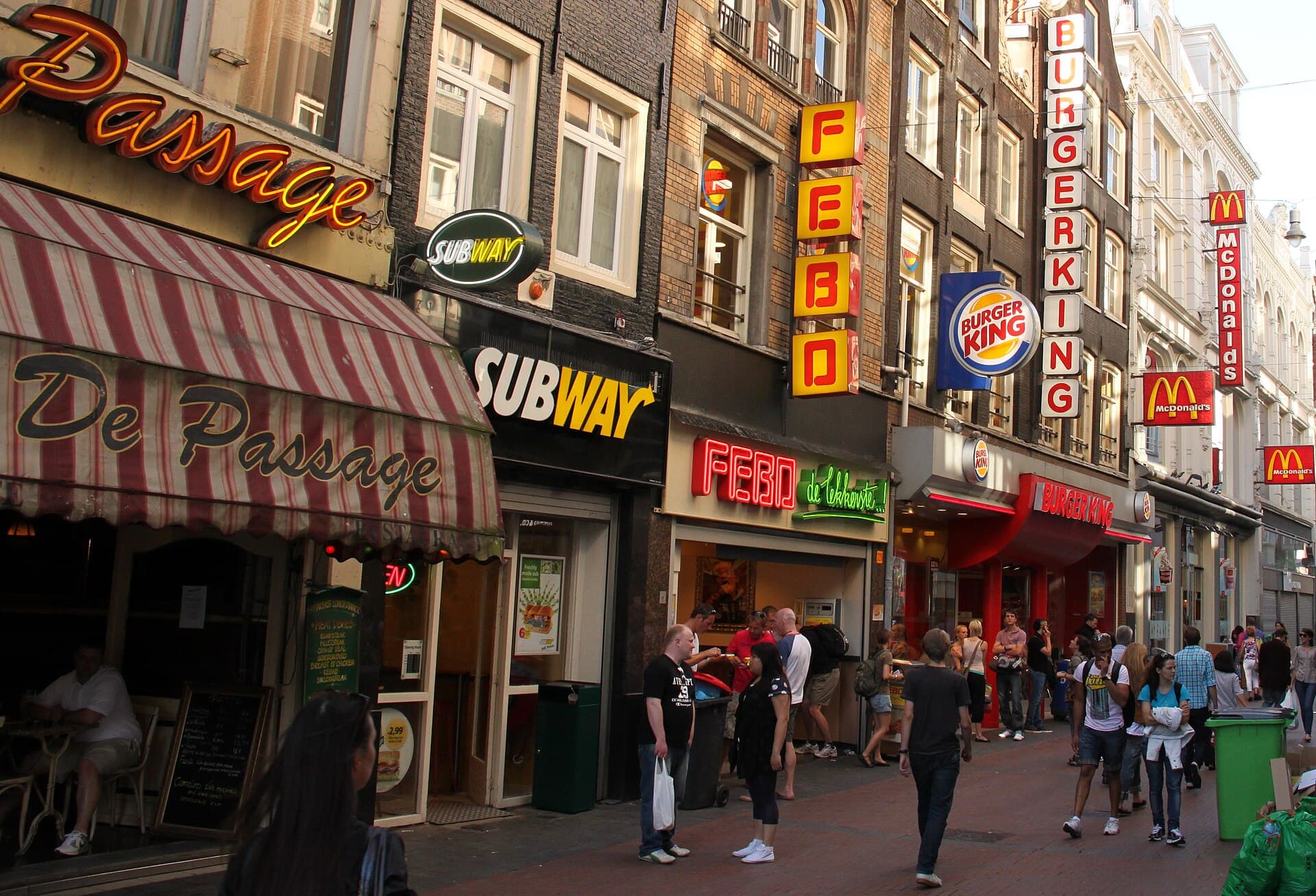
The biggest chains were helped by value menus and app-driven promotions at a moment when investors and analysts had worried that higher fuel costs would force lower-income families to cut back on restaurant spending. McDonald’s said global same-store sales rose 3.8 percent in the quarter ended in March, while U.S. same-store sales climbed 3.9 percent from a year earlier. Restaurant Brands International, the parent of Burger King, also beat quarterly same-store sales expectations, with resilient demand at Burger King helping the results. Yum Brands said Taco Bell same-store sales increased 8 percent in the first quarter of 2026.
That performance matters because fast food is often the first stop for consumers trading down from pricier casual-dining meals. The National Restaurant Association said restaurant sales edged higher in March even as fuel prices soared, reinforcing the idea that many households kept spending on lower-cost meals even while other parts of the budget tightened. For chains that can sell a filling meal for a few dollars, the inflation squeeze has become a source of traffic rather than an obstacle.
The contrast with McDonald’s earlier this year showed how quickly sentiment can swing. In May 2025, the company reported its worst quarterly U.S. sales decline since 2020, underscoring the volatility in consumer spending as household pressures rise and ease from one quarter to the next. Now, with fuel costs up and discretionary spending under strain, the largest fast-food brands appear to be capturing business that might otherwise have gone to more expensive restaurants.
For the broader restaurant sector, that points to a clear divide. Chains with recognizable value offerings, steady drive-thru traffic and heavy digital promotion are holding up better than feared, while consumers remain highly selective about where they spend. As gas prices stay elevated, cheap convenience is not just surviving. It is taking share.
This article was produced by Prism’s automated news system from verified source data, official records, and press releases, then run through automated quality and moderation checks before publishing. The system is built and supervised by the people who set the standards it runs under. Read our full AI policy.
Did this article answer your question?
%3Amax_bytes(150000)%3Astrip_icc()%2FCertificate-of-deposit-2301f2164ceb4e91b100cb92aa6f868a.jpg&w=1920&q=75)