Trump gives EU July 4 deadline to scrap tariffs on U.S. goods
Trump gave Brussels until July 4 to drop tariffs on U.S. goods or face higher levies, putting autos, trucks and transatlantic supply chains back on edge.
Trump’s July 4 deadline put the biggest U.S.-EU trade channels on notice: American exporters of industrial goods, seafood and farm products could win broader access if Brussels removes tariffs, while U.S. buyers of European autos, trucks, pharmaceuticals and semiconductors risk higher costs if the standoff escalates.
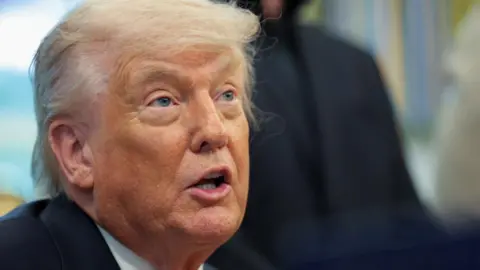
Donald Trump said Thursday he had a “great call” with European Commission President Ursula von der Leyen and told the European Union it must fulfill its side of the trade deal by July 4, 2026, or face much higher tariffs. The date carries political weight as the United States’ 250th birthday, turning a trade ultimatum into a symbolic test of leverage between Washington and Brussels.
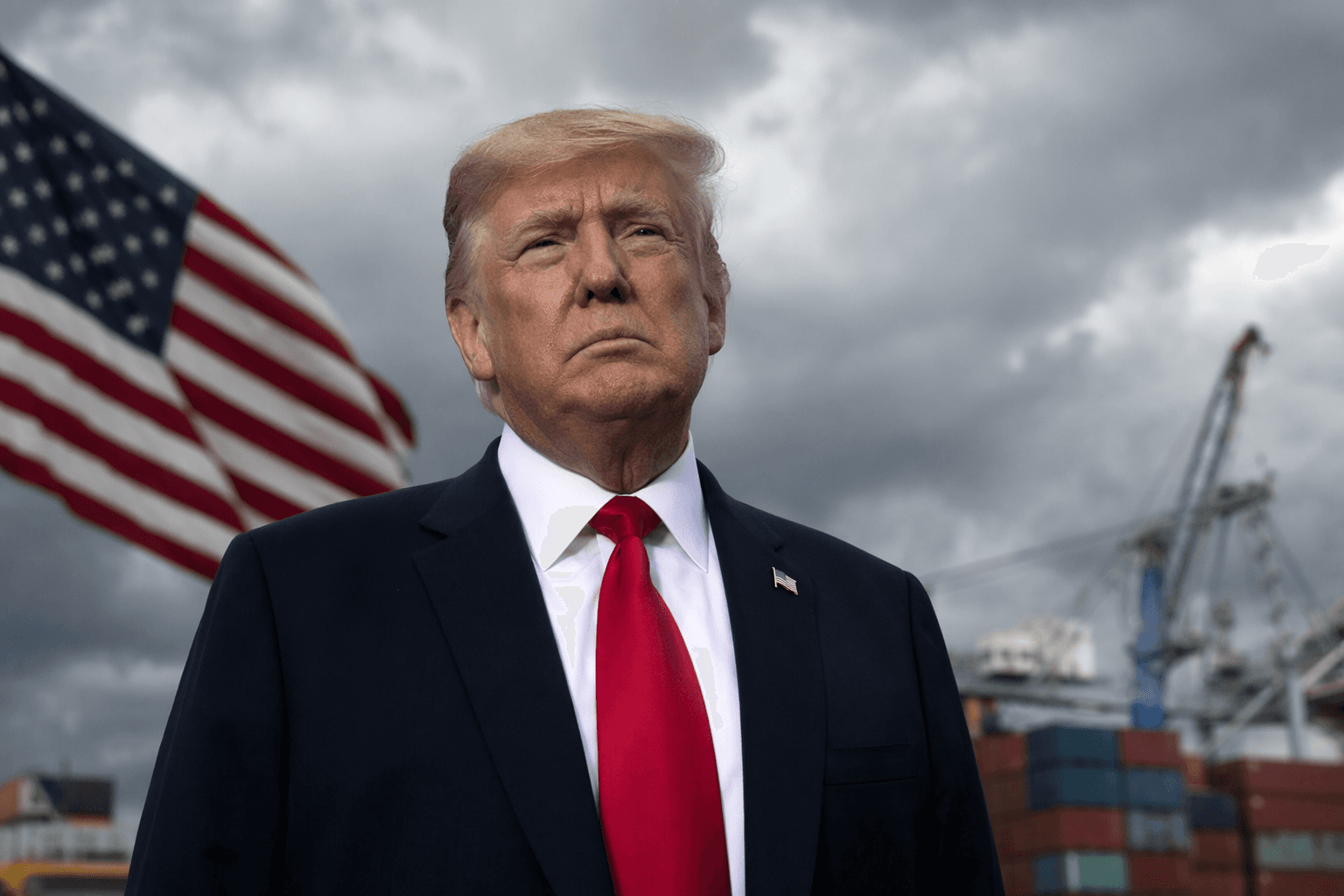
The dispute centers on the July 27, 2025 framework Trump and von der Leyen announced in Turnberry, Scotland. Under the deal, the White House said the United States would apply a 15% tariff rate on most EU goods, including autos and auto parts, pharmaceuticals and semiconductors, while the European Union would eliminate tariffs on all U.S. industrial goods and open market access for a range of U.S. seafood and agricultural products. A joint statement on August 21, 2025 said the framework was not legally binding, leaving both sides dependent on follow-through rather than treaty force.
The economic stakes are unusually large. The European Commission says EU-U.S. trade in goods and services totaled about €1.6 trillion in 2024, with roughly €4.2 billion crossing the Atlantic every day. It also says total investment between EU and U.S. firms reached €5.3 trillion in 2022, underscoring how quickly tariff threats can ripple through manufacturers, logistics firms and consumers on both sides of the ocean.
Von der Leyen responded by saying “a deal is a deal,” while also signaling that Brussels was “prepared for every scenario” if Washington raised tariffs unilaterally. European lawmakers and governments were still working to complete the remaining steps, with one assessment saying there was “still some way to go” before the EU side was finished. The latest warning followed earlier threats from Trump this spring to raise tariffs on EU-made automobiles, a reminder that the transatlantic truce remains fragile even after last year’s agreement was meant to restore stability and predictability.
This article was produced by Prism’s automated news system from verified source data, official records, and press releases, then run through automated quality and moderation checks before publishing. The system is built and supervised by the people who set the standards it runs under. Read our full AI policy.
Did this article answer your question?

