Gas prices may take months to return to pre-Iran war levels
Gasoline eased to $3.938 a gallon by June 21, but depleted reserves and market uncertainty could keep prices elevated for months.

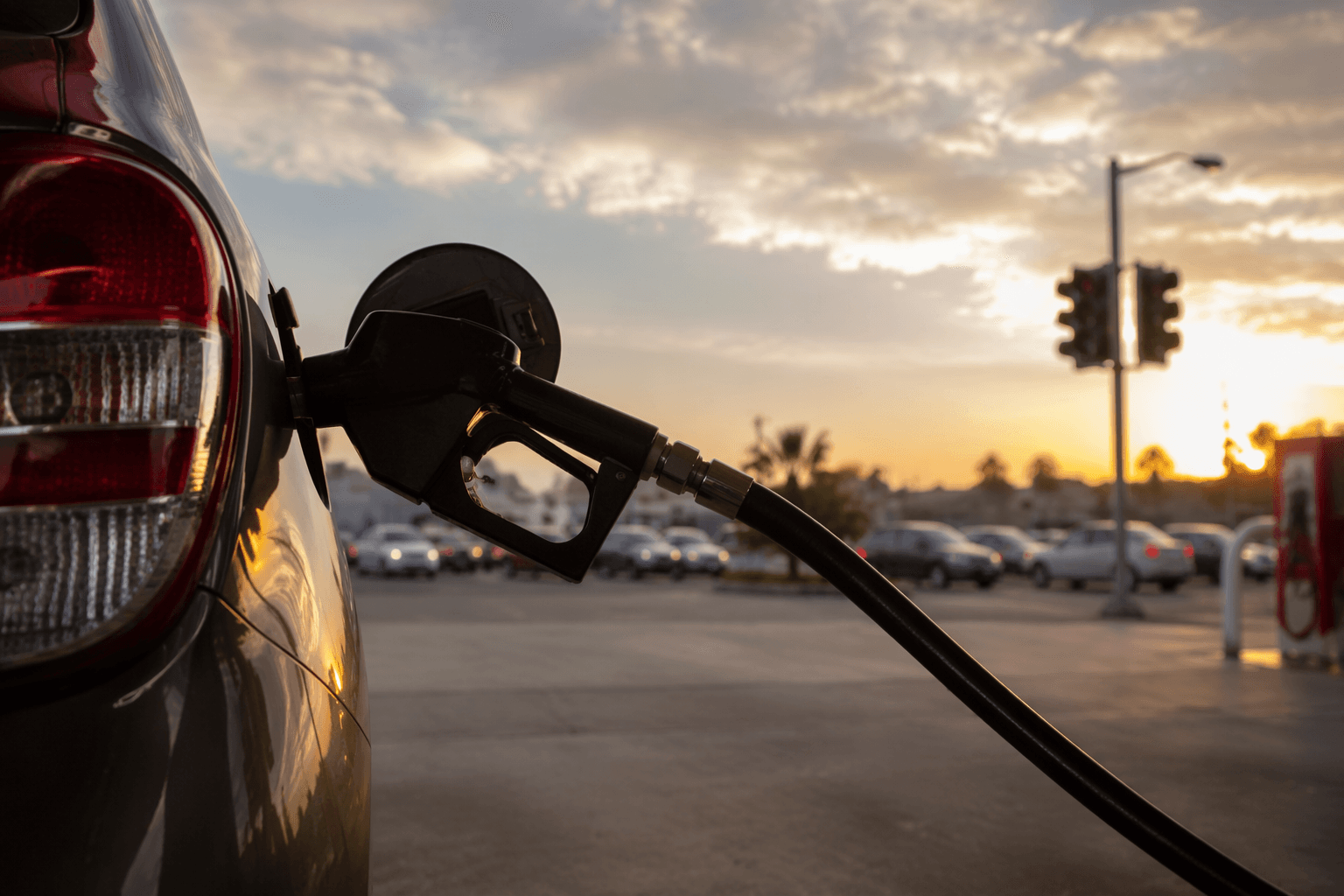
Drivers were seeing only gradual relief at the pump even as the Iran shock cooled. The national average price for regular gasoline slipped to $3.99 on June 18 after nearly four straight weeks of declines, then edged down to about $3.938 by June 21, but analysts said the return to pre-war levels could still take months.
On Face the Nation with Margaret Brennan, energy analyst Kevin Book said it could take “a while” for gas prices to fully reset. He tied the delay to uncertainty in oil markets and depleted reserves, a reminder that pump prices often lag behind the first signs of calm in the Persian Gulf and the Strait of Hormuz.
The mechanics matter. When traders believe supply could be disrupted, they bid up crude before barrels actually disappear. Even after the immediate threat fades, refiners, shippers and fuel distributors have to rebuild inventories, and that restocking phase can keep prices sticky. A June 17 Forbes analysis said low inventories, tanker delays and reserve restocking could leave gasoline above pre-war levels for months.
Amos Hochstein, the former White House energy adviser, said on CBS that a U.S.-Iran deal could affect Iranian oil revenue. Bloomberg reported on June 4 that Hochstein warned any leverage the United States holds in talks with Iran could be gone once U.S. crude inventories are depleted, which he said could happen as soon as mid-July. That timeline underscores why market calm does not immediately translate into cheaper fuel for households.
CBS framed the June 21 episode as part of a broader stretch of U.S.-Iran diplomacy. Its June 14 episode description said Qatari mediators were traveling to Tehran to finalize a truce in the U.S.-Iran war, showing how negotiations and oil-market expectations were moving together. The June 21 program also featured Democratic Rep. Jason Crow and CBS News election analyst Anthony Salvanto, who discussed polling on the war.
For consumers, the message is less about a sudden spike than a stubborn plateau. The latest price data showed gasoline easing, but only gradually, and the combination of tighter inventories, geopolitical uncertainty and the need to refill reserves suggested that relief at the pump would arrive in stages, not all at once.
This article was produced by Prism’s automated news system from verified source data, official records, and press releases, then run through automated quality and moderation checks before publishing. The system is built and supervised by the people who set the standards it runs under. Read our full AI policy.
Did this article answer your question?

