Gaza Not Classified as Famine, Crisis Remains Fragile and Acute
A UN backed food security assessment on December 19 found that no area of the Gaza Strip currently meets technical famine thresholds, after humanitarian and commercial access improved following an October ceasefire. The finding matters because the entire territory remains in emergency conditions, malnutrition is widespread, and the situation could quickly reverse without sustained, unimpeded aid and trade flows.
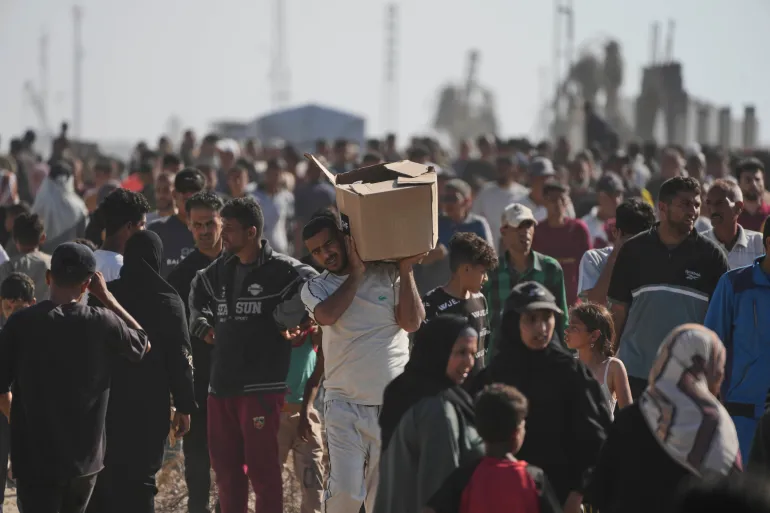
On December 19 the UN backed Integrated Food Security Phase Classification said that "No areas are classified in famine," but it stressed that the Gaza Strip as a whole remains in Emergency, IPC Phase 4. The assessment credited increased humanitarian and commercial inflows after a fragile ceasefire that took effect on October 10 for the improvement, while warning the gains are "highly fragile" and depend on sustained, expanded and consistent access.
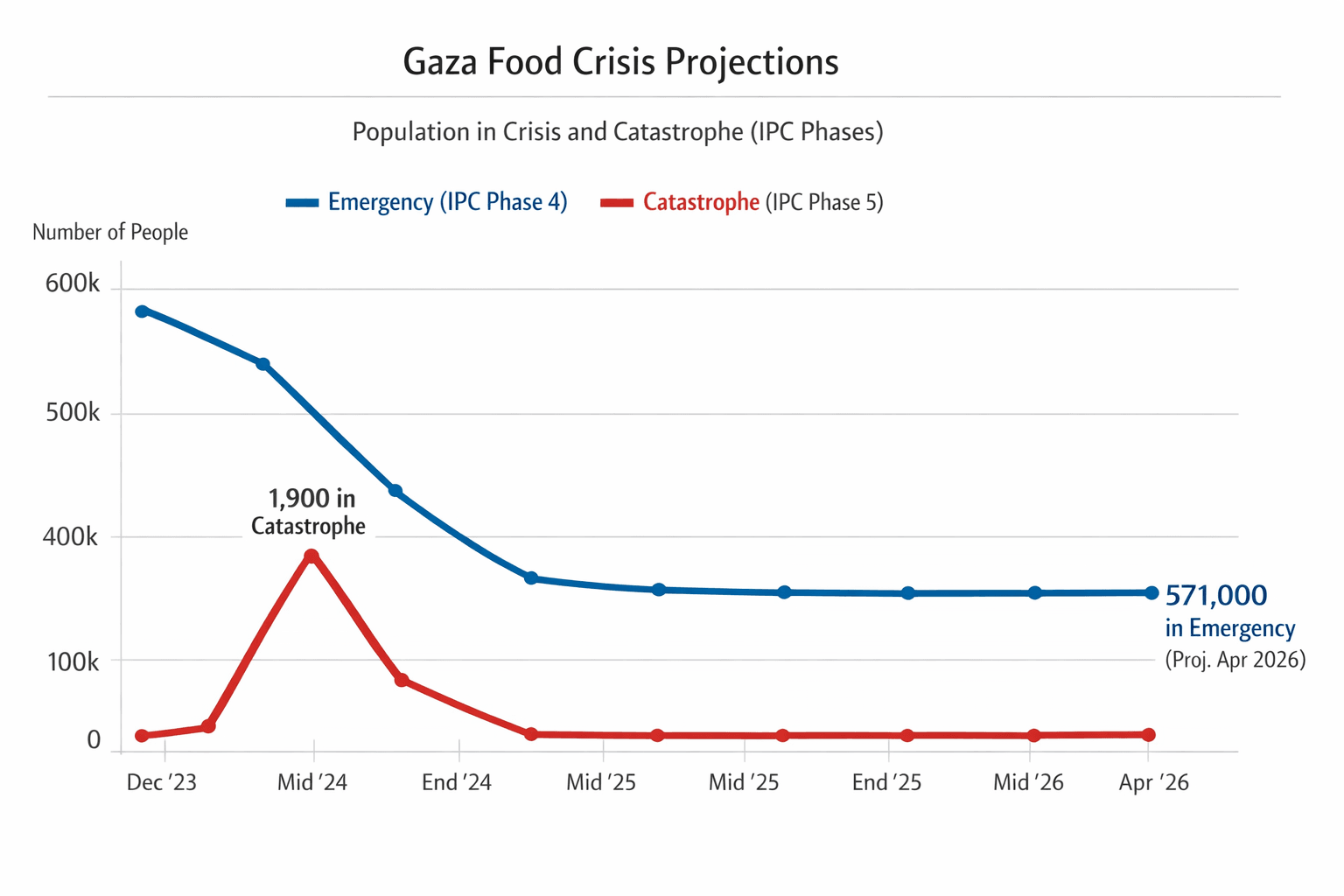
The IPC projected that roughly 571,000 people will remain in emergency conditions through mid April 2026, and that about 1,900 people will continue to face catastrophe level hunger during that period. The agency also outlined a stark worst case scenario, in which renewed hostilities or a halt in aid and commercial flows could return parts of the territory to famine conditions. The governorates named as most at risk in that scenario are North Gaza, Gaza Governorate, Deir al Balah and Khan Younis.
Humanitarian actors and health agencies described persistent acute needs across the territory. The International Rescue Committee's Vice President for Emergencies, Bob Kitchen, said, "Hunger in Gaza remains at catastrophic levels, with families still struggling to access sufficient, nutritious food," and warned that "Without rapid and unimpeded and unhindered humanitarian access at scale, the risk of famine and preventable deaths will quickly return." UN assessments and the IPC noted very high rates of acute malnutrition, particularly among children and pregnant and breastfeeding women, and tens to hundreds of thousands of people continue to suffer severe nutrition deficits.
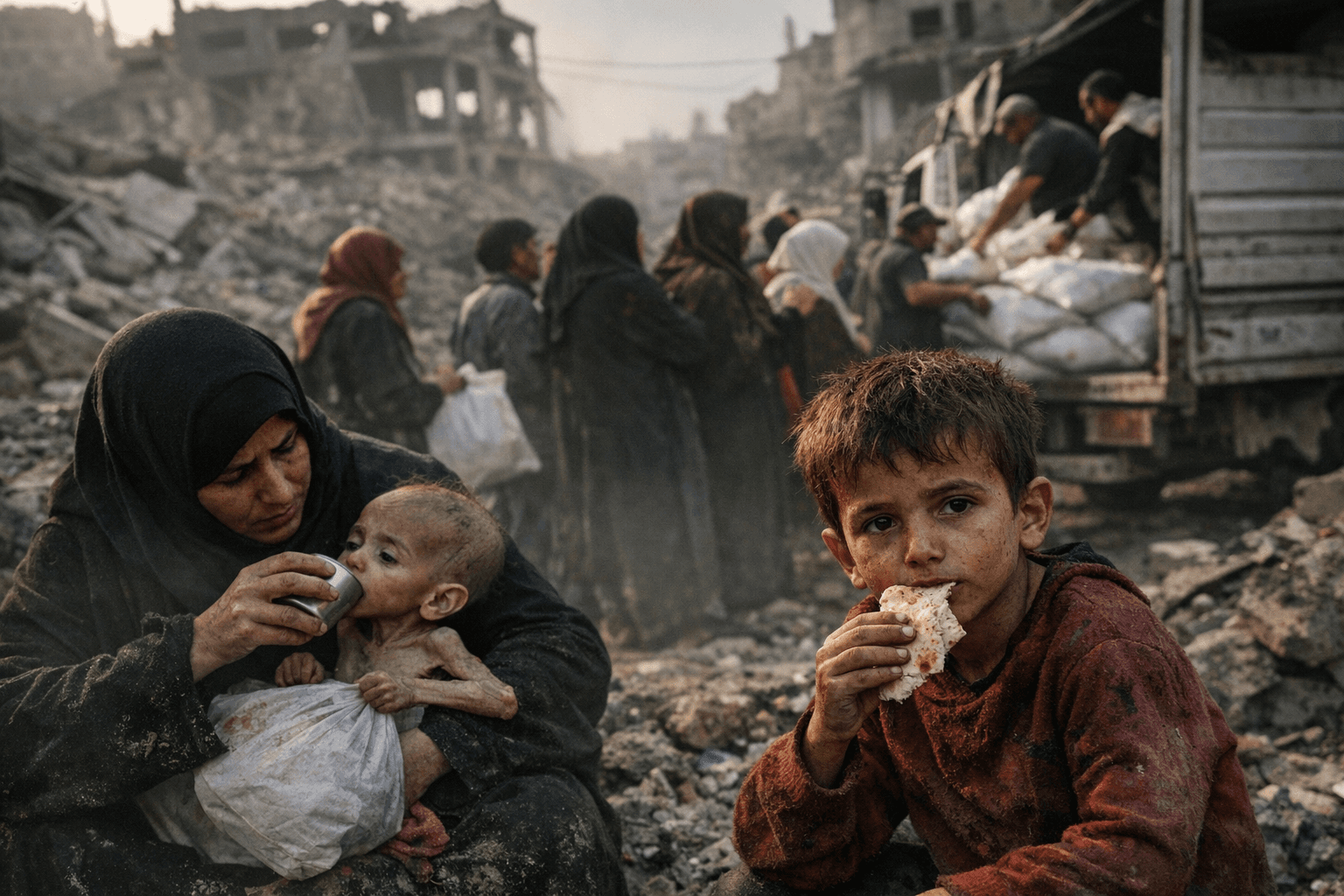
Living conditions amplify the danger. More than 70 percent of Gaza's population live in makeshift shelters or temporary accommodation, many of which are overcrowded and lack adequate protection from the elements. Recent heavy rains flooded some displacement sites, increasing the risk of hypothermia and illness as temperatures fall in winter. The scale of destruction to homes, infrastructure and agricultural land has left the local food production base severely weakened, keeping the territory dependent on external food supplies.
The IPC finding signals a narrow margin between emergency and catastrophe. Its analysis underlines that the absence of an official famine classification does not mean the crisis has eased for most families. More than three quarters of Gaza's population still face acute hunger and malnutrition, and agencies say current assistance levels are insufficient to meet needs at scale.
The assessment crystallizes a diplomatic and operational imperative: maintaining guaranteed, predictable and safe humanitarian corridors and enabling commercial trade into Gaza. Without an agreed, durable mechanism to secure both aid deliveries and commercial goods, international and regional donors may find gains reversed rapidly, with catastrophic consequences for civilians. The IPC and humanitarian groups are calling for immediate steps to scale up assistance and to protect supply lines before winter deepens and the window for preventing a relapse closes.
This article was produced by Prism’s automated news system from verified source data, official records, and press releases, then run through automated quality and moderation checks before publishing. The system is built and supervised by the people who set the standards it runs under. Read our full AI policy.
Did this article answer your question?