Gaza rubble becomes road material as UN clears access to services
Crushed concrete was already back on Gaza’s roads, with UN crews reopening more than 267 road segments. The work exposed how far reconstruction still lagged behind need.
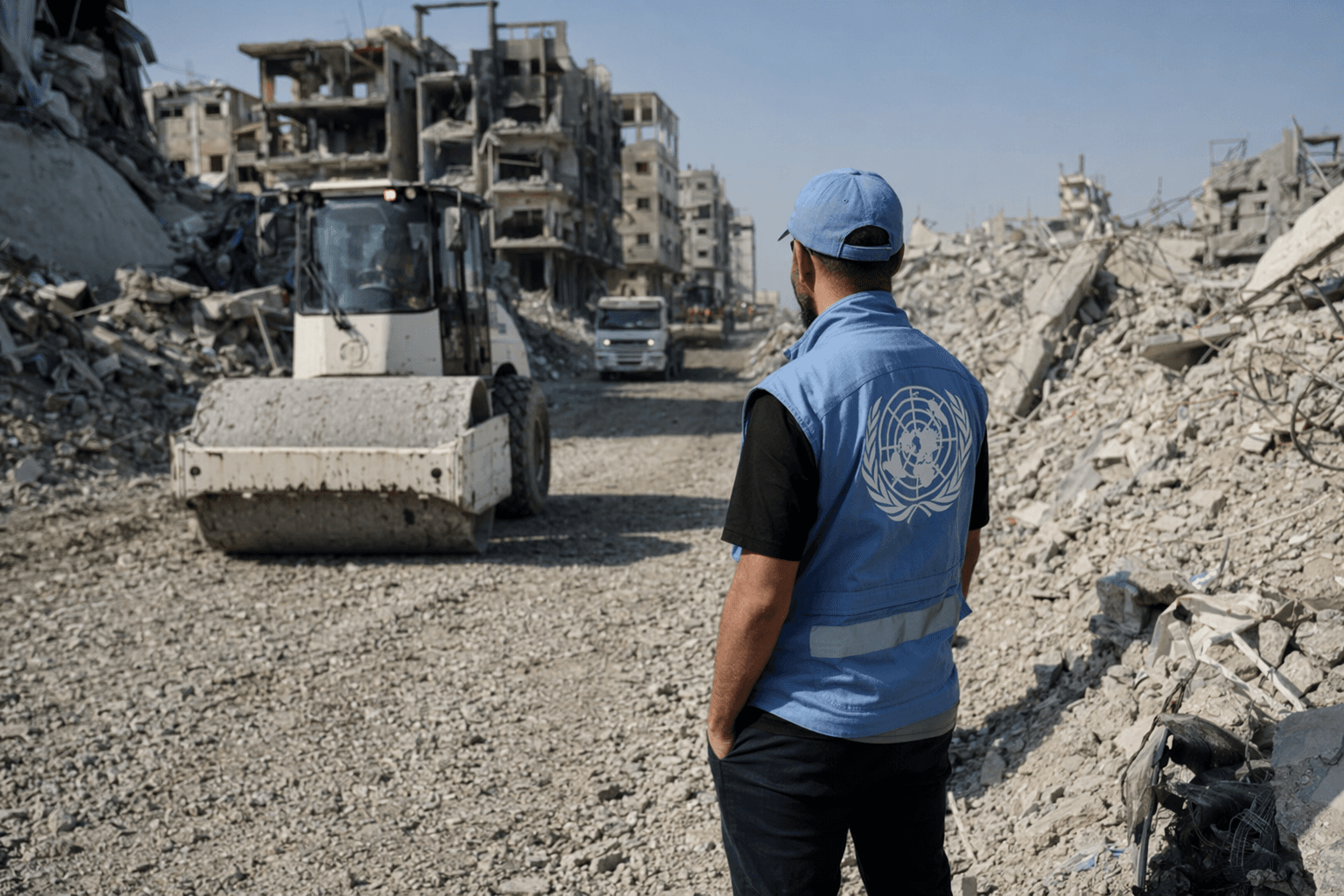
Crushed concrete from Gaza’s ruined neighborhoods was being fed back into the strip’s roads, a makeshift public-works campaign that has reopened key routes to hospitals, schools, bakeries and temporary shelter sites. In Gaza City, along stretches such as Al-Jalaa Street, Palestinian workers with local machinery were crushing debris and sorting metal so the material could be reused for streets, shelter areas and community kitchens.
The United Nations Development Programme said the effort was moving at about 1,500 tonnes a day across five crushing sites. It said more than 267 road segments had already been repaired with crushed debris, covering more than 80,000 square metres, a small but tangible step in a territory where movement itself has become a humanitarian issue.
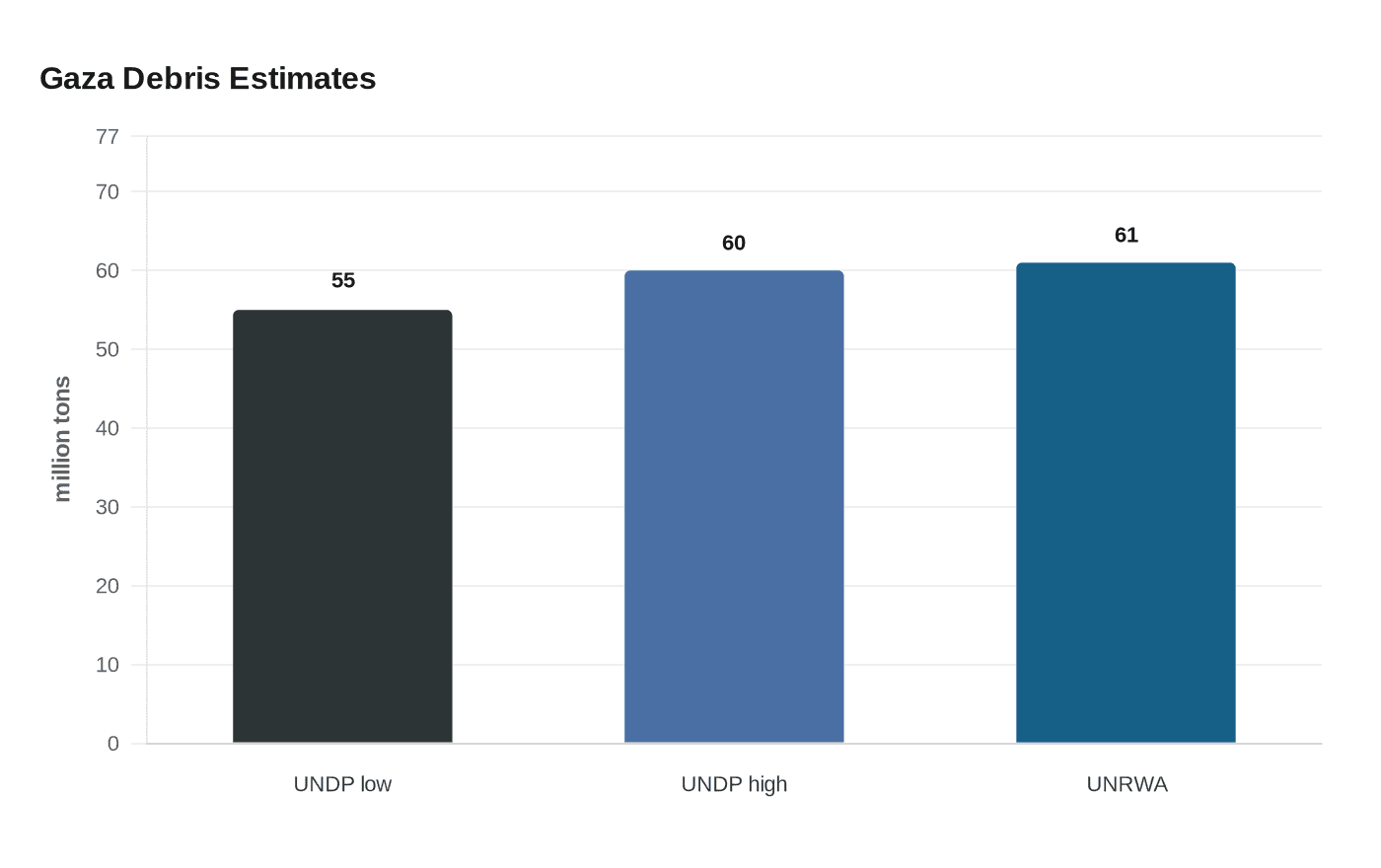
Jaco Cilliers, the UNDP representative in Palestine, said the scale of the problem was overwhelming. “Rubble represents a major challenge in Gaza, where the estimated amount is between 55 and 60 million tonnes,” he said in a UN-backed account in September 2025. UNRWA later said more than 61 million tons of debris covered Gaza, underscoring how quickly the ruin had accumulated and how little room there was for delay.
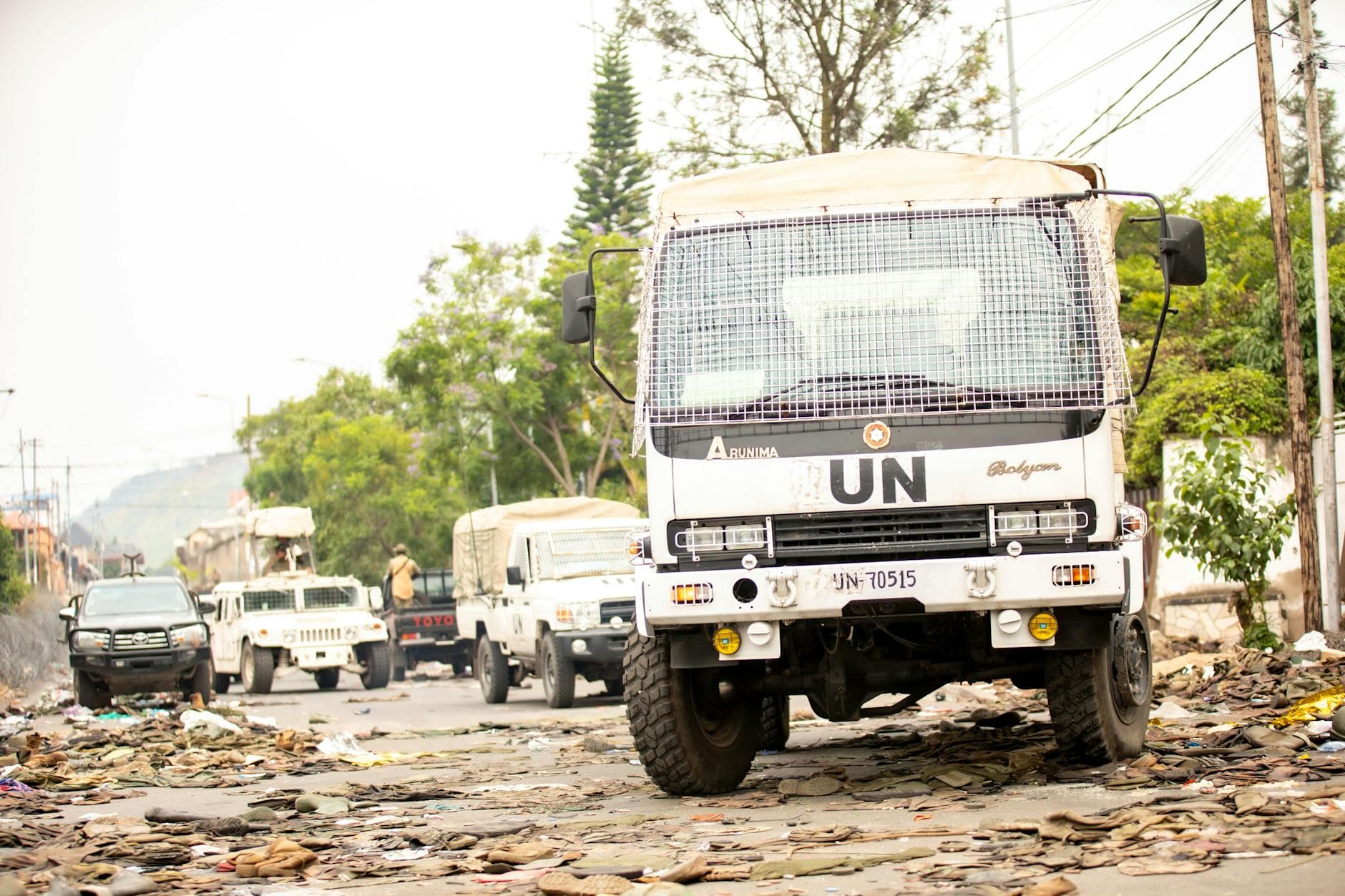
The improvisation also pointed to the paralysis of formal reconstruction. Donald Trump’s Gaza plan, meant to build on an October Israel-Hamas ceasefire by surging aid and rebuilding the enclave, had not translated into large-scale recovery on the ground. Instead, Palestinians and UN agencies were trying to restore basic movement first, because debris removal was the prerequisite for any longer-term rebuilding of homes, roads and public services.
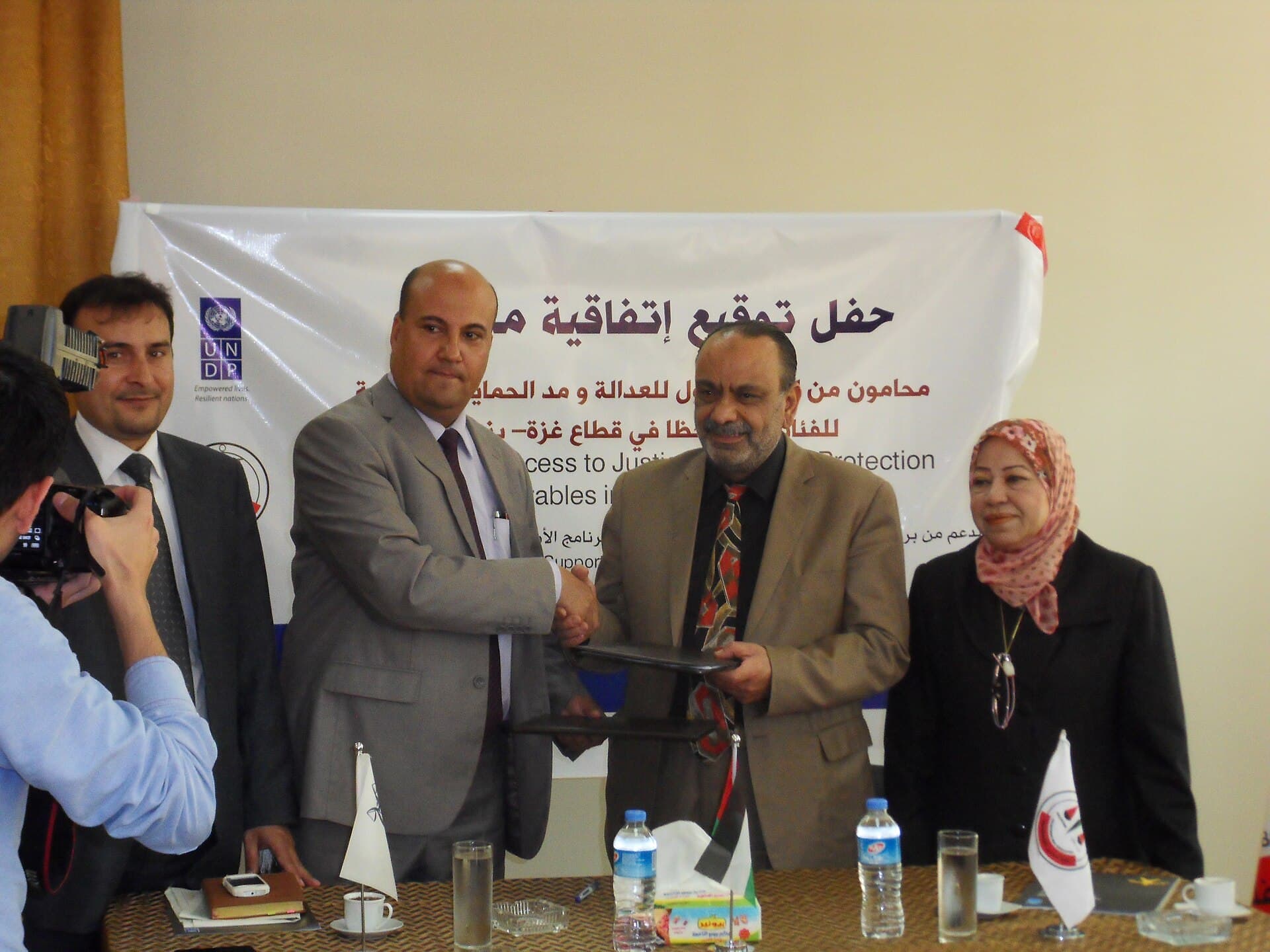
That work remained dangerous. Before rubble could be cleared, sites had to be checked for unexploded ordnance, and workers also faced the risk of stray fire near the armistice line. One worker said he had taken the job because he could not find another source of income, despite the physical danger. UN-backed estimates put the full clearance task at about seven years under accelerated conditions and with steady fuel supplies, a fuel stream that remains scarce.
UN reports said a large share of Gaza’s debris was generated early in the war, while destruction intensified again in mid-2025 in the south, including around Rafah and Khan Younis. With UNRWA putting the death toll at 72,289 Palestinians killed and 172,040 injured between Oct. 7, 2023 and April 1, 2026, the rubble problem is not just about ruined streets. It is the physical record of a society being forced to rebuild daily life out of its own destruction.
This article was produced by Prism’s automated news system from verified source data, official records, and press releases, then run through automated quality and moderation checks before publishing. The system is built and supervised by the people who set the standards it runs under. Read our full AI policy.
Did this article answer your question?


