GE Aerospace unveils hybrid-electric flight breakthrough with NASA project
GE Aerospace’s hybrid-electric test flight hit 30,000 feet in a modified Saab 340, aiming first at single-aisle jets, not long-haul airliners.
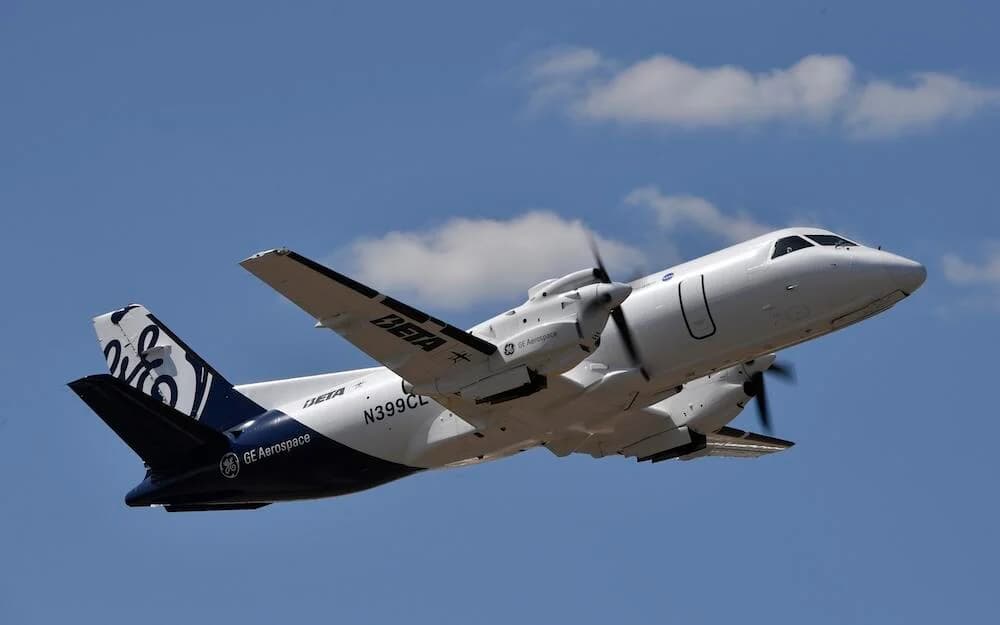
GE Aerospace pushed its hybrid-electric flight program to a new altitude with a test demonstration that reached 30,000 feet in a modified Saab 340, a milestone the company and NASA tied to the future of lower-fuel, lower-emissions aviation. The flight was part of NASA’s Electrified Powertrain Flight Demonstration project, which GE Aerospace joined in 2021, and it brought together GE Aerospace, NASA, BETA Technologies and Boeing.
The practical significance is not a battery-only revolution. Pure electric propulsion still runs into energy-density limits that make it difficult to power larger aircraft over useful distances, especially on commercial schedules. Hybrid-electric systems are designed to split the load between a turbine and electric components, allowing aircraft to use electricity for some phases of flight and cut fuel burn without giving up the range and payload that airlines require. That makes the technology most relevant first for regional aircraft and single-aisle jets, the backbone of short- and medium-haul flying.
GE Aerospace has said its work centers on a megawatt-class integrated hybrid-electric powertrain for single-aisle aircraft. The company’s materials say it has spent years developing the building blocks for that system, including motors, generators and power converters. A 2022 GE Aerospace video said the company aimed to carry out ground and flight tests by the mid-2020s, underscoring that the latest demonstration was the result of a multi-year engineering effort rather than a sudden leap.
The 30,000-foot milestone matters because NASA said it matches the cruising altitude of most commercial aircraft. For airlines, that makes the demonstration more than a laboratory exercise: it points toward the operational environment where any eventual system would have to perform reliably, from climb power to cruise efficiency. Still, certification, maintenance complexity and airport infrastructure remain major hurdles before any hybrid-electric system can move from test aircraft to revenue service.
The push also fits a broader race in aviation, where engine makers and aircraft manufacturers are trying to show that lower-emissions flight can work without undermining economics. GE Aerospace has already framed the technology around the single-aisle market, a category that accounts for a large share of commercial flying and would offer the biggest near-term commercial payoff if hybrid-electric systems can reduce fuel use on shorter routes. For now, the test flight marks progress toward that goal, not the finish line.
This article was produced by Prism’s automated news system from verified source data, official records, and press releases, then run through automated quality and moderation checks before publishing. The system is built and supervised by the people who set the standards it runs under. Read our full AI policy.
Did this article answer your question?