Gen-3 vs Gen-4 Pickleball Paddles: Materials, Performance, Which to Choose
Independent testing showed a Gen‑4 Selkirk Boomstik produced 14% faster ball speed than Selkirk’s prior Gen‑3 paddle, while Gen‑3 models still dominate tournament price tiers of $150‑$300.
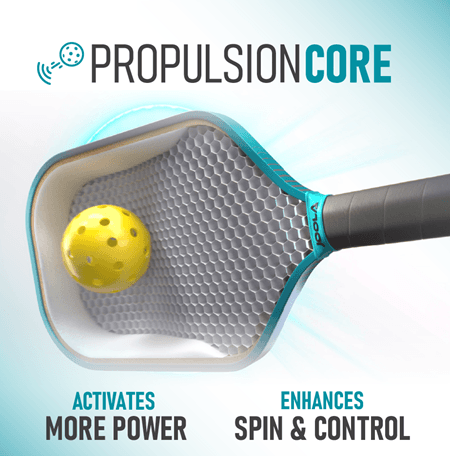
Independent testing by Mattspickleball measured a 14% increase in ball speed for the Selkirk Boomstik Gen‑4 versus Selkirk’s previous Gen‑3 power paddle at identical swing speeds, a figure that has pushed foam‑core performance into the headlines. The Boomstik lists at $333, while Mattspickleball and Helios note Gen‑3 tournament staples typically sell in the $150‑$300 range.
The construction divide is stark and measurable. Nexpickleball defines Gen‑3 as foam‑enhanced, hybrid designs built on polymer honeycomb cores and thermoformed processes, and Gen‑4 as a 100% foam core replacement. Pickleballnation relays CRBN’s Kyle Goguen: "Gen‑3 is about enhancement, layering foam into existing structures, while Gen‑4 is a clean slate, a full‑foam foundation." Mattspickleball gives concrete examples: the Joola Pro IV uses a HyperFoam edge wall around polymer honeycomb as a Gen‑3 hybrid, while Ronbus Refoam and CRBN TruFoam Genesis are listed among top foam models.
Performance tradeoffs follow from materials. Mattspickleball describes honeycomb cores as delivering controlled, linear power that scales with swing speed, while foam cores "act more like a trampoline" by compressing on impact and returning extra energy. That trampoline effect is the basis for the Boomstik’s 14% speed gain in the reported test. Helios frames spin differently between generations, saying Gen‑3 tops for spin use textured faces at maximum legal roughness, while Gen‑4 "promise even more spin through nano‑texture technology—microscopic surface variations invisible to the naked eye."
Sweet spot, feel, and noise separate the camps. Mattspickleball reports foam cores produce nearly edge‑to‑edge sweet spots, superior vibration dampening, and quieter play, while polymer honeycomb still gives crisper feedback favored by some players and remains available in budget options under $100. Helios summarizes the strategic choice plainly: "The gen 3 vs gen 4 pickleball paddle debate ultimately comes down to proven performance versus promising potential."
Durability claims tip toward foam for longevity. Mattspickleball quantifies deterioration of polymer honeycomb, stating those cores can compress over 6 to 12 months and lose 20 to 30% of performance, and contrasts that with EPP/MPP foam cores that "maintain consistent pop and feel for much longer with no core crush or dead spots." Bread & Butter’s Loco is cited as a $199 dual‑density example using an EPP center and softer EVA perimeter, with EVA noted to break down faster than EPP.
For player guidance, Justpaddles advises advanced players seeking maximum power consider Gen‑3, while Pickleballnation recommends Gen‑2 or Gen‑3 for intermediate players and Gen‑3 or Gen‑4 for advanced competitive players prepared to invest. Market examples listed by Mattspickleball include Selkirk Boomstik ($333), Bread & Butter Loco ($199), plus CRBN TruFoam Genesis and Ronbus Refoam series.
Helios also reports a regulatory wrinkle, stating JOOLA Gen‑3 paddles "were temporarily banned for exceeding deflection standards" and noting both generations can be USAPA approved when meeting specifications; Helios supplies no date or model detail for the JOOLA item. Given the measurable test gains, the documented honeycomb wear rates, and the model price spread, the choice comes down to whether you prioritize proven tournament pedigree and crisper feedback or the newer foam promise of bigger sweet spots, quieter play, and potentially longer‑lasting pop.
Know something we missed? Have a correction or additional information?
Submit a Tip