Gen Z Fuels Sugary Canned Cocktail Boom Despite Divided Taste Buds
Sugary canned cocktails have become a $13.9 billion force as Gen Z adults help drive RTD sales, even while taste remains sharply divisive.
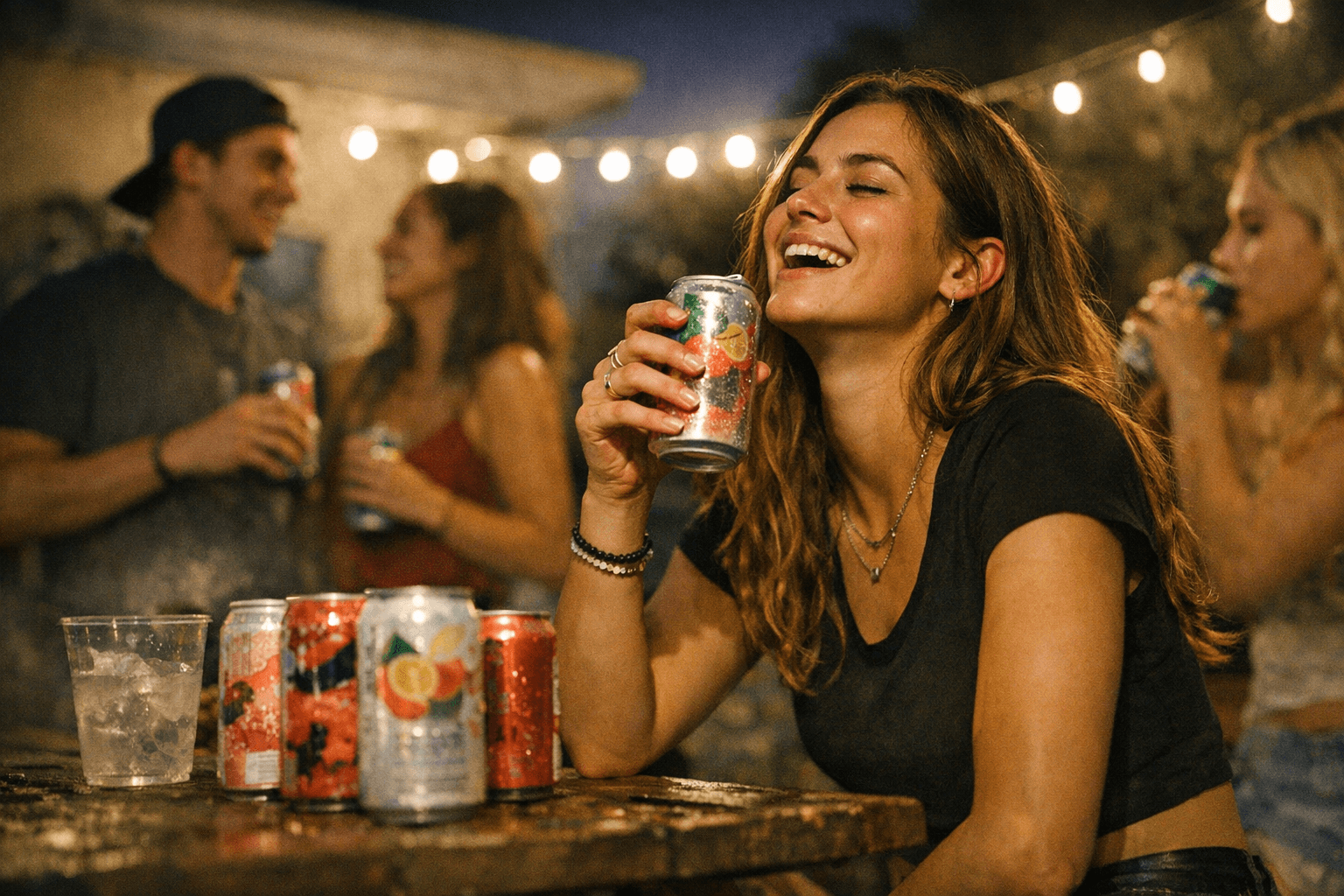
Ready-to-drink alcohol has become a $13.9 billion business in the United States, and by mid-2025 it accounted for 12.5% of total beverage alcohol dollar sales. That growth has turned sugary canned cocktails into one of the clearest proof points that younger legal-drinking-age consumers are not simply walking away from alcohol, but are reshaping how they buy it.
NIQ said ready-to-drink and ready-to-serve products had matured into a major category, helped by variety, convenience, flavor and innovation. In its 2024 year-in-review, the company said Gen Z adults 21 and older were emerging as a growing cohort in alcohol purchasing, even as the broader market struggled to deliver value and volume growth. The category’s appeal is easy to understand: RTDs offer portability and low-friction entry into drinking occasions, while their candy-like sweetness and novelty have made them especially popular, and especially controversial, among consumers.

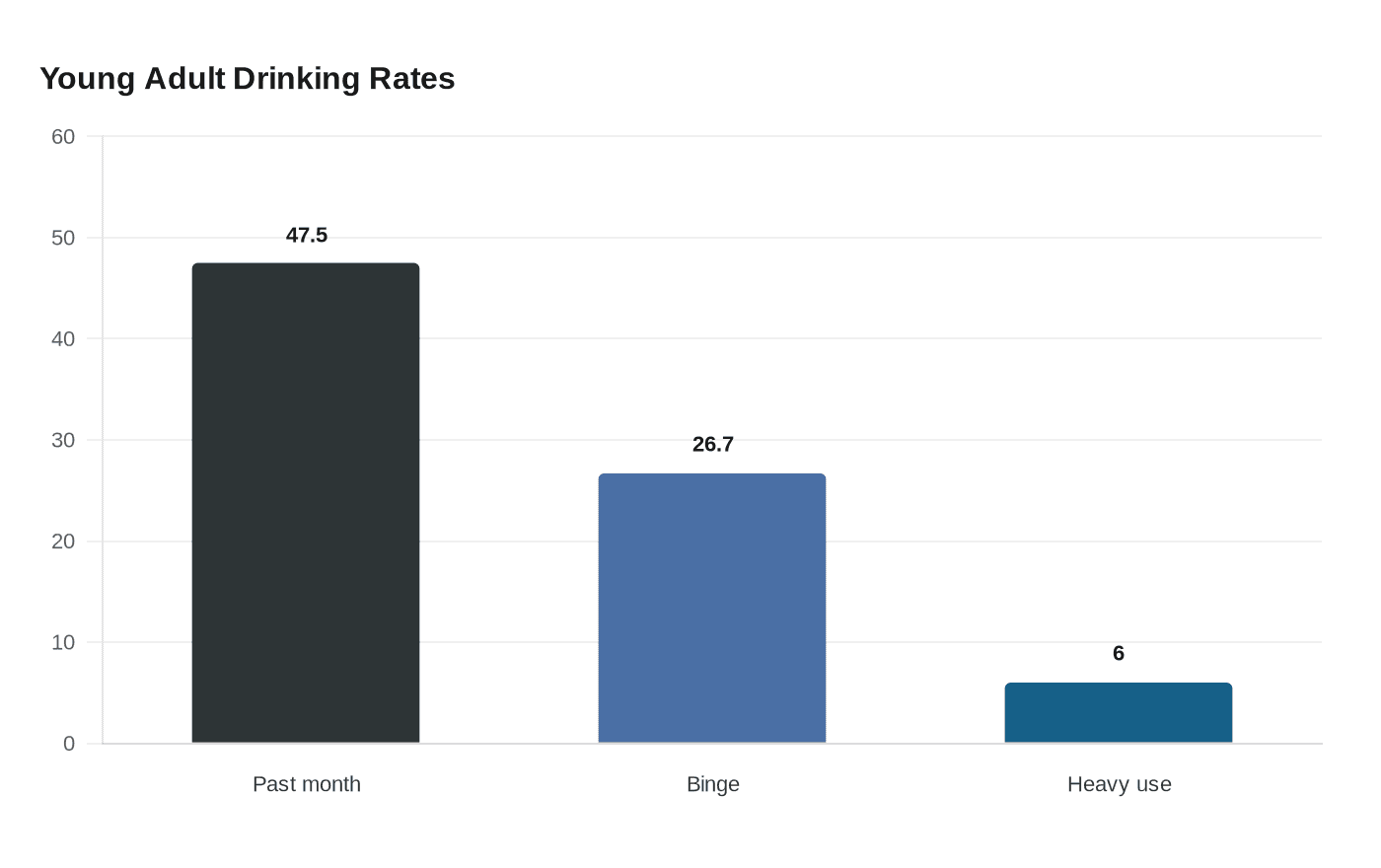
That tension matters because the idea that Gen Z is uniformly rejecting alcohol is too neat. The National Institute on Alcohol Abuse and Alcoholism said 16.6 million U.S. young adults ages 18 to 25, or 47.5% of that age group, drank alcohol in the past month in 2024. The same survey found 9.3 million young adults, or 26.7%, reported binge drinking, and 2.1 million, or 6.0%, reported heavy alcohol use. The numbers point to a generation that is certainly more selective and more moderation-minded, but not absent from the market.
Public-health and consumer sentiment data help explain the split. Gallup reported in 2024 that Americans, especially young adults, increasingly viewed alcohol as unhealthy, a shift that has helped fuel demand for lower-alcohol options, smaller formats and products that feel more convenient or less committed than a full bottle. The Centers for Disease Control and Prevention’s Youth Risk Behavior Surveillance System has also continued to track substance use among high school students, underscoring that underage drinking remains part of the national backdrop even as patterns change across generations.
For alcohol makers, the lesson is less about abstinence than adaptation. Gen Z may be drinking differently, but the numbers show they are still showing up in the aisle, and they are rewarding products that package alcohol in sweeter, more casual, more portable form. The boom in canned cocktails suggests a market not in retreat, but in reinvention.
This article was produced by Prism’s automated news system from verified source data, official records, and press releases, then run through automated quality and moderation checks before publishing. The system is built and supervised by the people who set the standards it runs under. Read our full AI policy.
Did this article answer your question?

