Geneva Summit opened Cold War dialogue in 1955
Geneva brought Eisenhower, Eden, Faure and Bulganin face to face for the first major postwar summit since Potsdam. The talks eased tensions, but left disarmament and Germany unresolved.
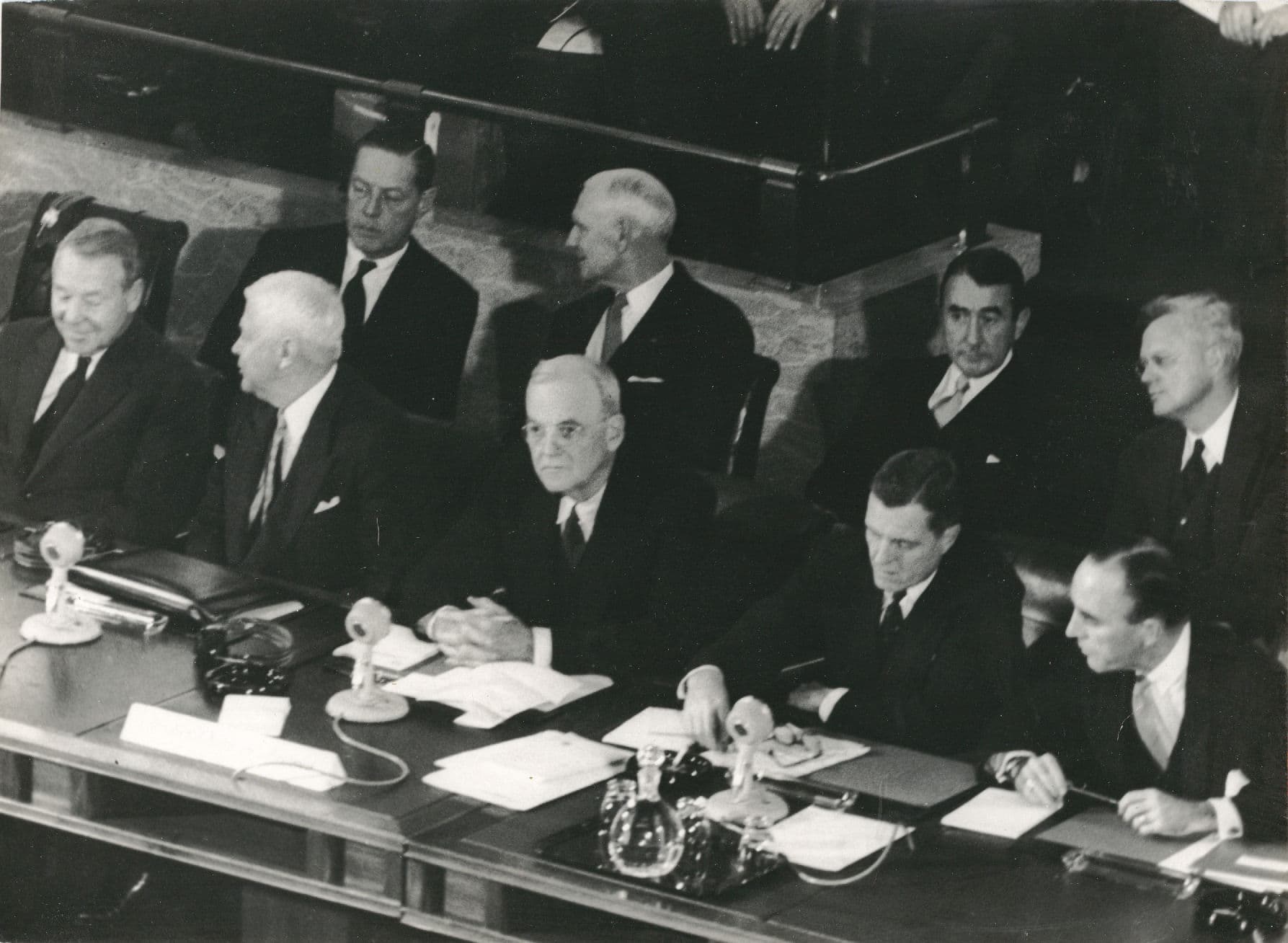
The Geneva Summit gave the Cold War something it had lacked since the Potsdam Conference of 1945: direct, face-to-face dialogue among the United States, Britain, France and the Soviet Union. For six days in Geneva, Switzerland, from July 18 to July 23, 1955, President Dwight D. Eisenhower, British Prime Minister Anthony Eden, French Premier Edgar Faure and Soviet Premier Nikolai Bulganin tested whether summit diplomacy could blunt the risk of another global war.
The agenda was practical and consequential. According to the U.S. Office of the Historian, the leaders focused on disarmament, the German question and the expansion of East-West contacts, including trade and movement of people. Britannica describes the meeting as an attempt to end the Cold War by tackling the same hard problems that had frozen Europe since 1945. Nikita Khrushchev, though not the formal Soviet head of government, was a prominent figure in the Soviet delegation and helped define the political weight of the talks.
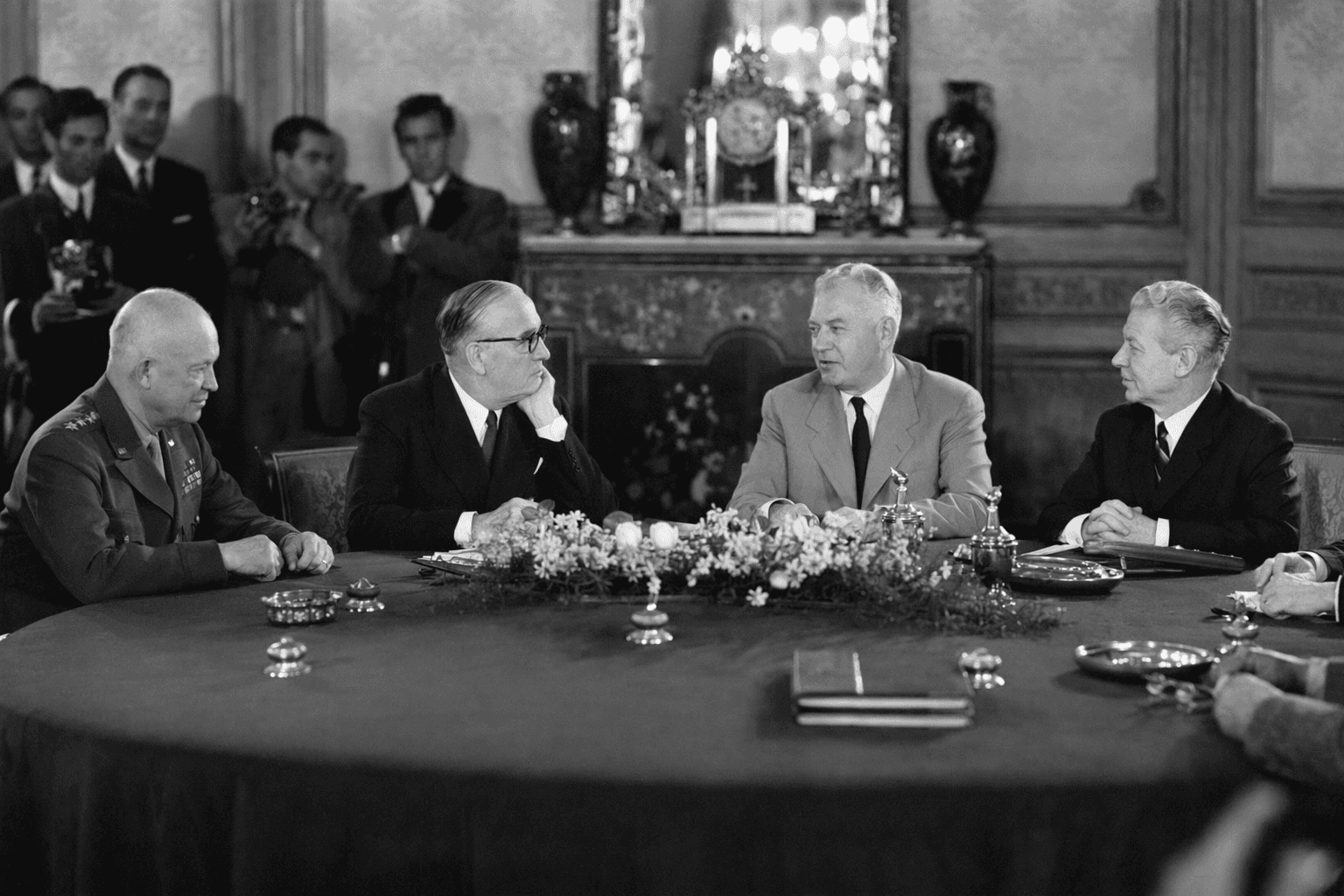
Eisenhower used the Geneva stage on July 21 to press his Open Skies proposal, a plan for mutual aerial inspection meant to reduce fears of a surprise attack. The idea was designed to create a measure of transparency in a standoff built on distrust, but the Soviet side rejected it. That failure captured the central limit of the summit: both camps were willing to talk about reducing danger, yet neither was prepared to accept the kind of verification or concessions that would have turned symbolism into binding policy.
No substantive agreements emerged from Geneva. Even so, the conference ended with an agreement to meet again, a sign that the superpowers saw value in continuing the dialogue despite the lack of breakthroughs. A foreign ministers meeting followed in Geneva in October 1955, but it also produced no concrete results. Swiss accounts say the tone in Geneva was cordial and that the summit carried lasting symbolic impact, even if the substance remained thin.
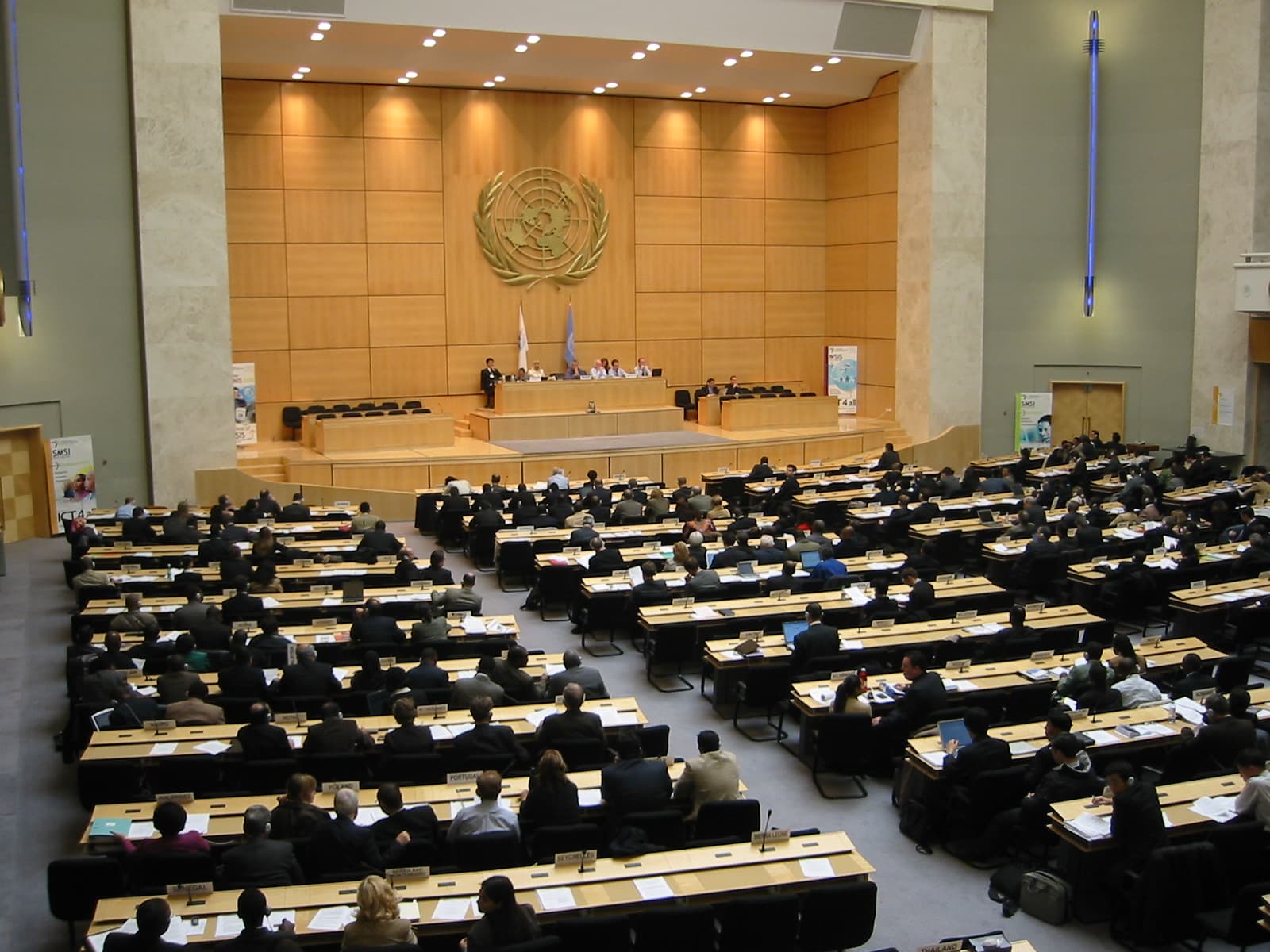
That gap between atmosphere and outcome is what still makes Geneva relevant. Great-power summits can cool tempers, stage-manage de-escalation and create a public impression of control after years of conflict. They are far less reliable at producing hard policy, especially on arms control, Germany or the commercial links that can change strategic behavior over time. Geneva showed that summit theater can matter, but only as a first step. The real work begins after the cameras leave.
Know something we missed? Have a correction or additional information?
Submit a Tip