Genomic test may spare millions of breast cancer patients chemotherapy
A breast-cancer gene test helped 68% of high-risk patients safely skip chemotherapy, pointing to less toxic care if payers and hospitals follow suit.
A genomic test helped 68% of clinically high-risk node-positive breast cancer patients safely avoid chemotherapy in a large phase III study, offering a potential path to less toxic treatment for women with early-stage disease.
The finding came from OPTIMA, the Optimal Personalised Treatment of early breast cancer using Multi-parameter Analysis trial, a randomized non-inferiority study of test-directed chemotherapy in patients with high clinical risk ER-positive, HER2-negative early breast cancer. First results were presented at the ASCO Annual Meeting in Chicago on May 30, 2026, after the study enrolled more than 4,400 patients across the United Kingdom.
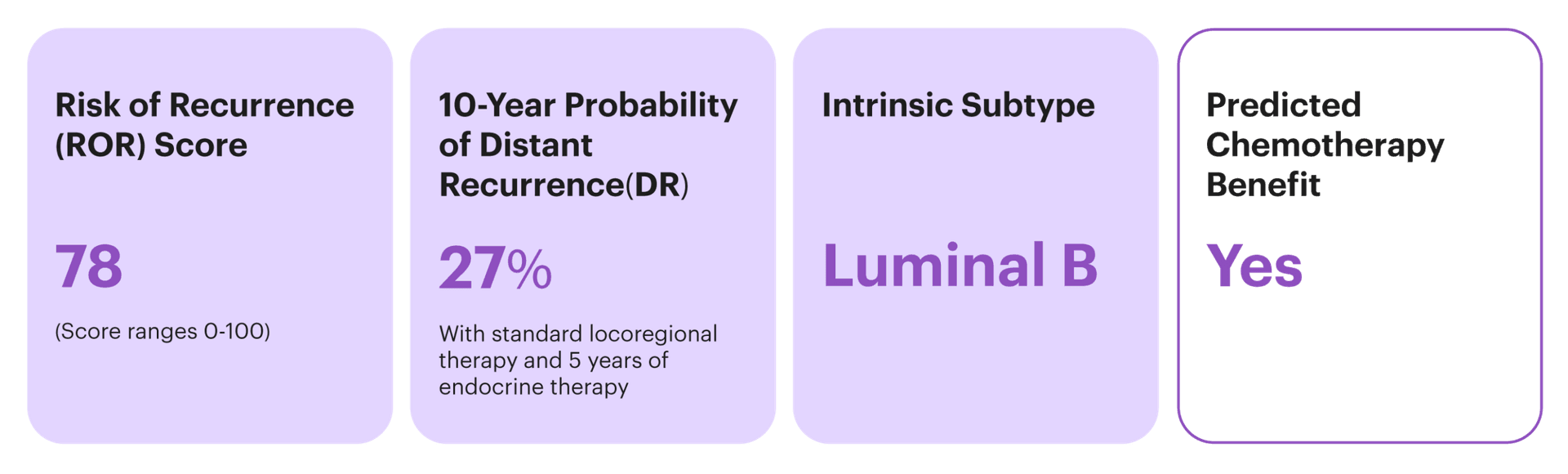
The test at the center of the trial is Veracyte’s Prosigna Breast Risk of Recurrence assay, which uses existing tumor tissue and returns a Risk of Recurrence score along with a 10-year probability of distant recurrence. Company materials say the goal is to identify which patients are likely to benefit from chemotherapy and which may safely avoid it. In the OPTIMA data, that meant many patients once considered high risk could be treated with hormone therapy alone without compromising outcomes.

The result matters because chemotherapy remains one of breast cancer’s harshest treatments, with costs that go well beyond the infusion chair. For patients who do not need it, avoiding chemo can mean fewer physical side effects, less emotional strain, and lower financial burden. The new findings also strengthen the case for a test that is already used in some settings rather than a device still waiting for its first clinical proof.
That broader adoption is still the real hurdle. NICE updated its tumour-profiling guidance on May 9, 2024 to include Prosigna and other tests for some ER-positive, HER2-negative early breast cancer patients, including some with one to three positive lymph nodes. But practice across health systems remains uneven, and the next phase will depend on whether regulators, insurers and community hospitals make the assay as accessible as major cancer centers. Without that, the test’s promise could stay concentrated in places with the most resources.
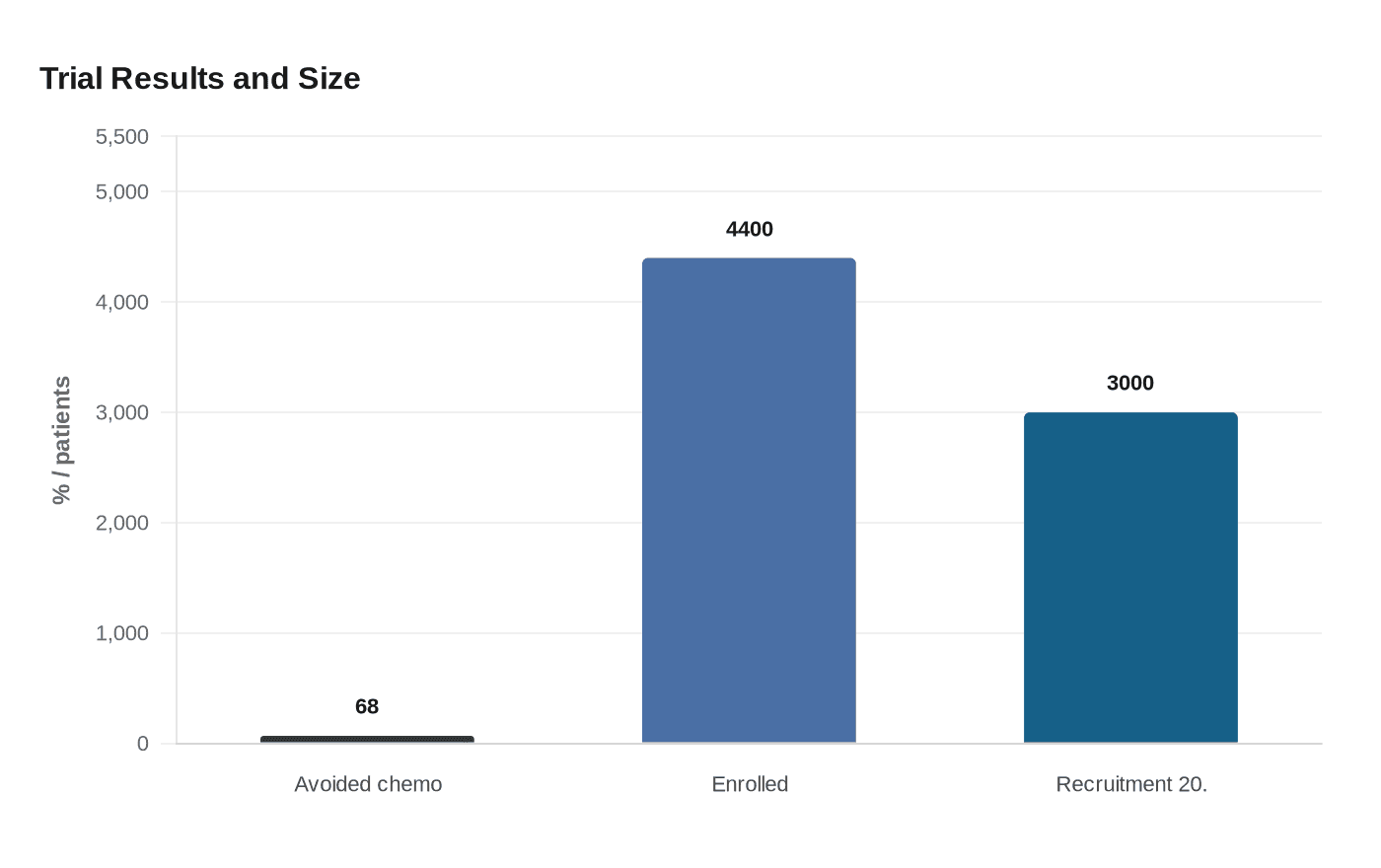
UCL said in November 2022 that OPTIMA had already recruited 3,000 participants, about two-thirds of its target at the time, underscoring how long the field has been building toward a clearer answer on who can safely skip chemotherapy. If those findings are adopted widely, the test could reshape routine breast cancer care by matching treatment intensity more closely to tumor biology, not just clinical risk alone.
This article was produced by Prism’s automated news system from verified source data, official records, and press releases, then run through automated quality and moderation checks before publishing. The system is built and supervised by the people who set the standards it runs under. Read our full AI policy.
Did this article answer your question?