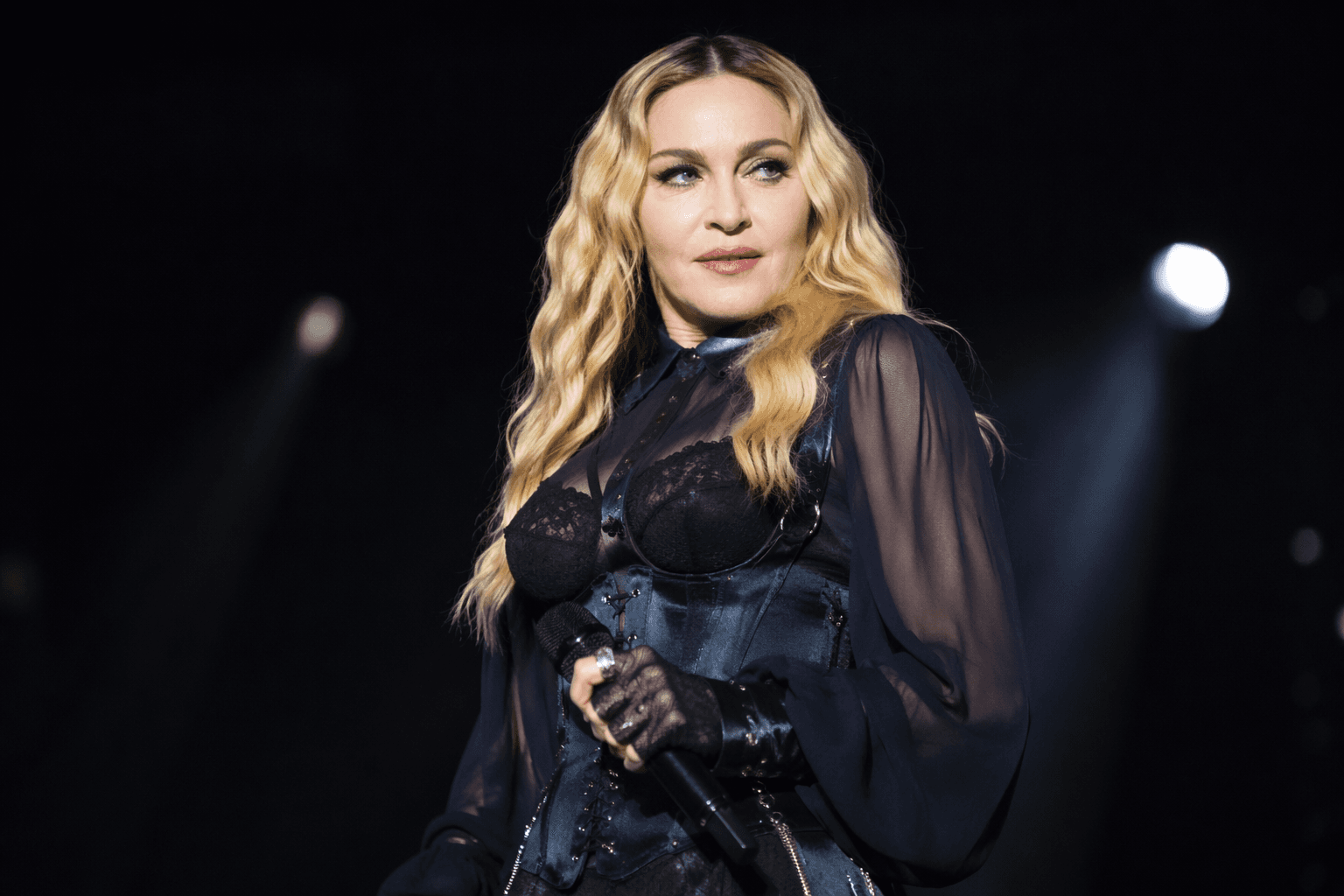
Georg Baselitz, provocateur behind upside-down figures, dies at 88
Georg Baselitz, who turned upside-down figures into a postwar provocation, died at 88 just days before a major Venice exhibition of his latest paintings.
Georg Baselitz spent six decades forcing viewers to confront the wreckage of German history, and he did it with canvases that often seemed to refuse easy looking. The German painter and sculptor, born Hans-Georg Bruno Kern in 1938 in Deutschbaselitz, died on April 30, 2026, at 88. His gallery, Thaddaeus Ropac, confirmed the death, said he died peacefully and cited his family; no cause was given.
Baselitz came of age in the shadow of Nazi rule, then the rubble and ideological pressure of the Soviet occupation zone. He later described himself as born into "a destroyed order, a destroyed landscape, a destroyed people, a destroyed society," a line that captures how directly his work grappled with national trauma. Rejected at 17 by the Dresden Academy of Fine Arts, he enrolled in East Berlin, was expelled for "sociopolitical immaturity," and later remembered himself as "stupid" but also "a rebel." That defiance shaped the rest of his career.
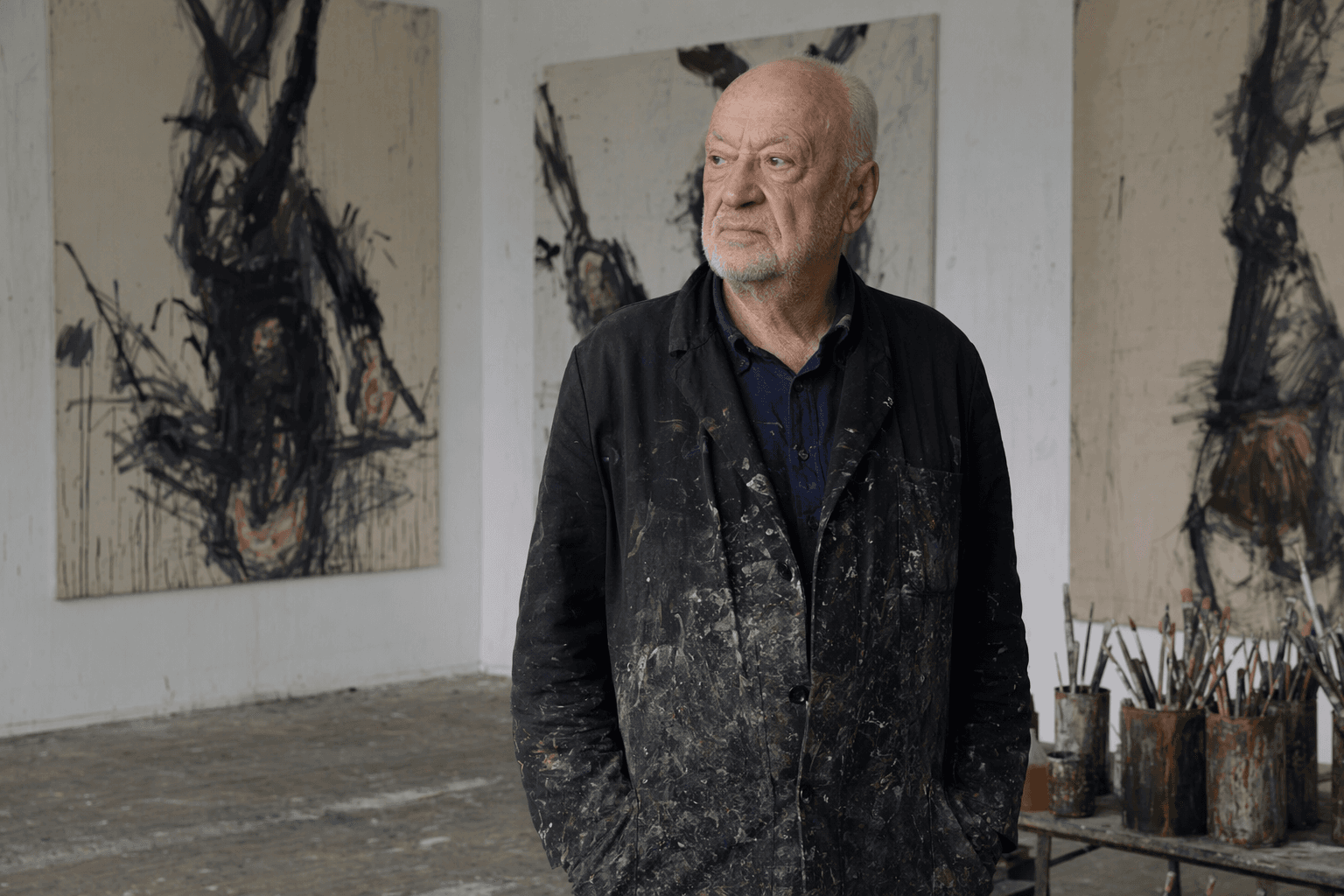
After moving to West Berlin and completing his studies, Baselitz absorbed modernism but did not settle into American abstraction. Instead, he turned back to German expressionism and folk traditions, then began pushing against the expectations of the postwar art world. His first solo exhibition in Berlin in 1963 was seized on obscenity grounds, a dispute that only widened his notoriety. The upside-down paintings that followed became his signature, turning landscapes, portraits and bodies into images that had to be reconsidered rather than passively consumed.
That strategy made him one of the defining figures of postwar European art. He helped shape Neo-Expressionism and, alongside contemporaries such as Anselm Kiefer, mounted a frontal attack on Minimalism and Conceptualism, the dominant cool styles of the 1970s. Baselitz’s influence was recognized in major museum surveys, including the Hirshhorn Museum and Sculpture Garden’s Baselitz: Six Decades in 2018, which the Smithsonian said was the first major U.S. retrospective in more than 20 years and marked his 80th birthday.
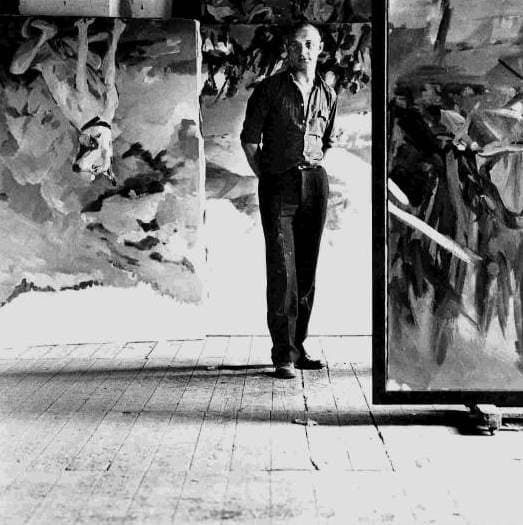
His death came just before another milestone. Georg Baselitz. Eroi d’Oro was scheduled to open on May 6 at the Fondazione Giorgio Cini on San Giorgio Maggiore in Venice and run through September 27, 2026, timed to the 61st Venice Biennale. Curated by Luca Massimo Barbero and presented with Thaddaeus Ropac Gallery and support from White Cube, the show was to feature his most recent series of large-scale paintings, with gold grounds that echo icon painting and medieval references. Baselitz is survived by his wife, Elke Kretzschmar Baselitz, whom he married in 1962, and their two sons, Daniel Blau and Anton Kern, both gallerists.
This article was produced by Prism’s automated news system from verified source data, official records, and press releases, then run through automated quality and moderation checks before publishing. The system is built and supervised by the people who set the standards it runs under. Read our full AI policy.
Did this article answer your question?