Georgia GOP drops redistricting plan that could weaken Black representation
Georgia Republicans shelved a redraw after a Supreme Court ruling and voting-rights backlash, leaving Black representation intact for now but setting up a 2028 fight.
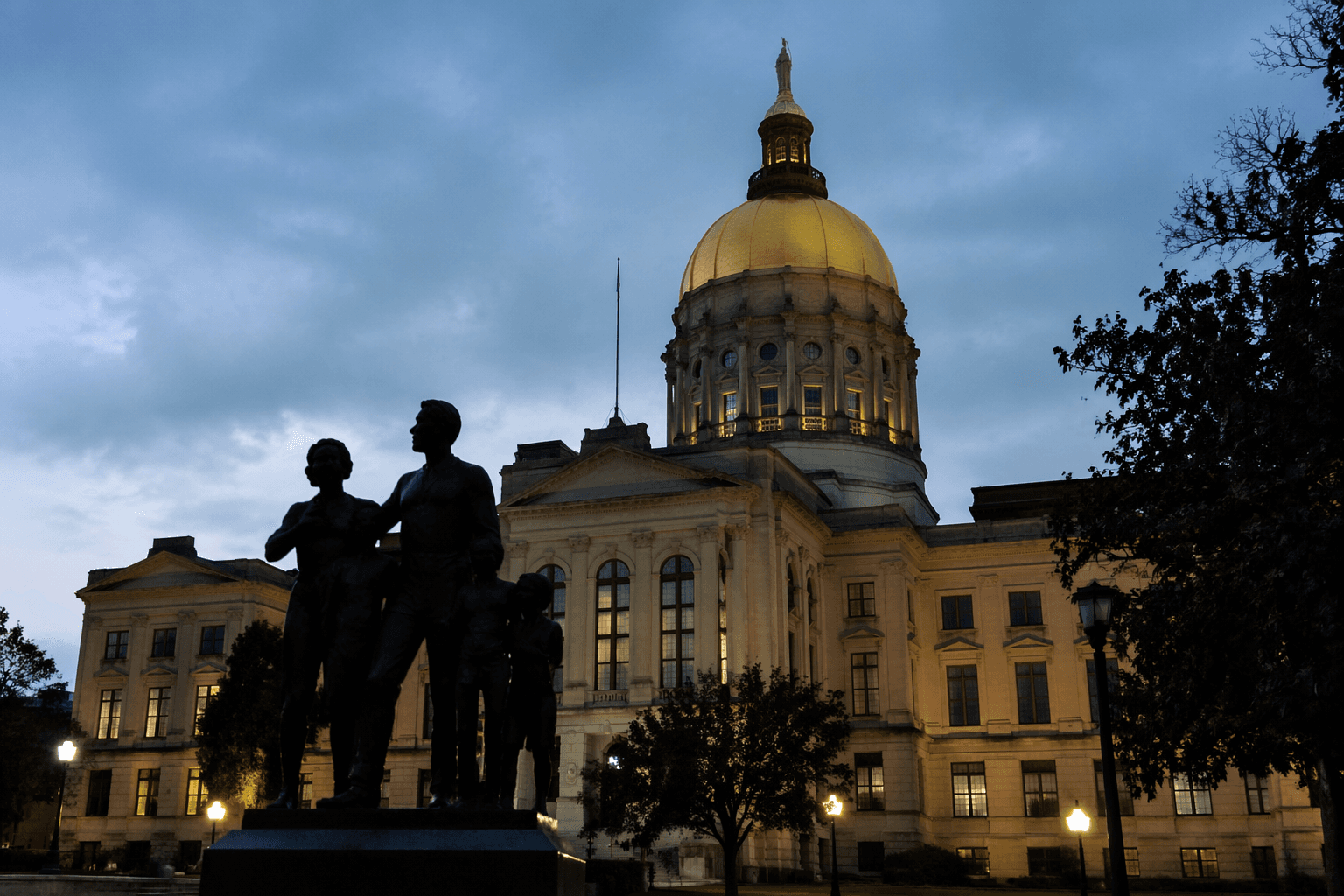
Georgia Republicans stepped back from a redistricting push that critics said could weaken Black representation, after the plan ran into legal limits, public opposition and the reality that it could not change the 2026 elections. The retreat came as Gov. Brian Kemp’s special session of the Georgia Legislature opened June 17 to deal with redistricting and election issues, but state officials had already made clear that new lines would be too late for this cycle.
The immediate obstacle was timing. Georgia officials and redistricting experts said the state could not redraw congressional or legislative maps for 2026 because qualifying had ended, early voting had begun and ballots had already been prepared under the existing districts. That left Republicans with a narrower prize: a map that would matter for 2028, not for the current election year. The fight was triggered by a late-April Supreme Court ruling that weakened a pillar of the Voting Rights Act, a decision that political observers said opened the door to districts drawn with less regard to race.
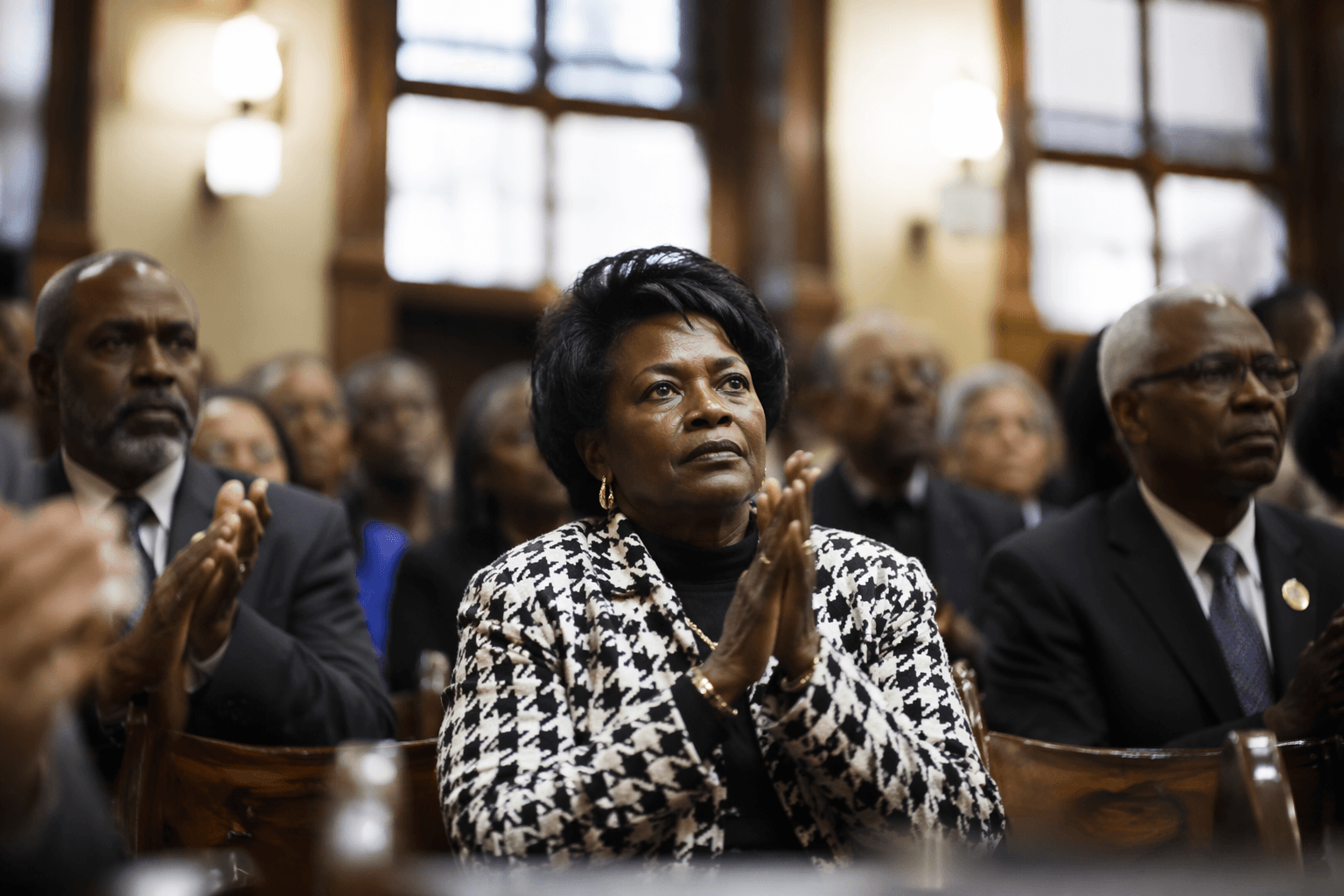
The stakes in Georgia were obvious. Republicans hold 9 of the state’s 14 U.S. House seats, and analysts said a redraw could widen that edge. The most obvious target was U.S. Rep. Sanford Bishop’s southwest Georgia district, one of Democrats’ last footholds outside metro Atlanta and one of the few remaining rural Southern districts where Black voters are the dominant political force. For voting-rights advocates, losing that seat would mean more than one party gaining an advantage; it would mean another erosion of Black political power in a state that has repeatedly become a national test case.
The political fight quickly hardened along familiar lines. U.S. Sen. Raphael Warnock called efforts to eliminate seats held by Black lawmakers a “betrayal” and said he would keep pushing for federal legislation to strengthen the Voting Rights Act. Georgia GOP chair Josh McKoon argued that any new maps should “prioritize traditional redistricting principles,” while Lt. Gov. Burt Jones and GOP gubernatorial candidate Rick Jackson were among Republicans who supported a special session to overhaul the lines. Fair Districts GA chairman Ken Lawler said the ruling would effectively throw “the door wide open for more partisan gerrymandering” with no regard for demographics.
Kemp’s latest move also echoed Georgia’s last major redistricting clash. In 2023, he called a special session to comply with a court order requiring the state to draw an additional majority-Black congressional district. The newest retreat shows how narrowly Georgia Republicans can now press the map-drawing advantage: aggressive enough to pursue partisan gains, but not so far that courts, timing and backlash make the effort untenable.
This article was produced by Prism’s automated news system from verified source data, official records, and press releases, then run through automated quality and moderation checks before publishing. The system is built and supervised by the people who set the standards it runs under. Read our full AI policy.
Know something we missed? Have a correction or additional information?
Submit a Tip