Georgia jails opposition leader over alleged sabotage and coup bid
A court handed Levan Khabeishvili 2-1/2 years for sabotage and coup incitement, sharpening Georgia's clash over protests, EU ties and dissent.

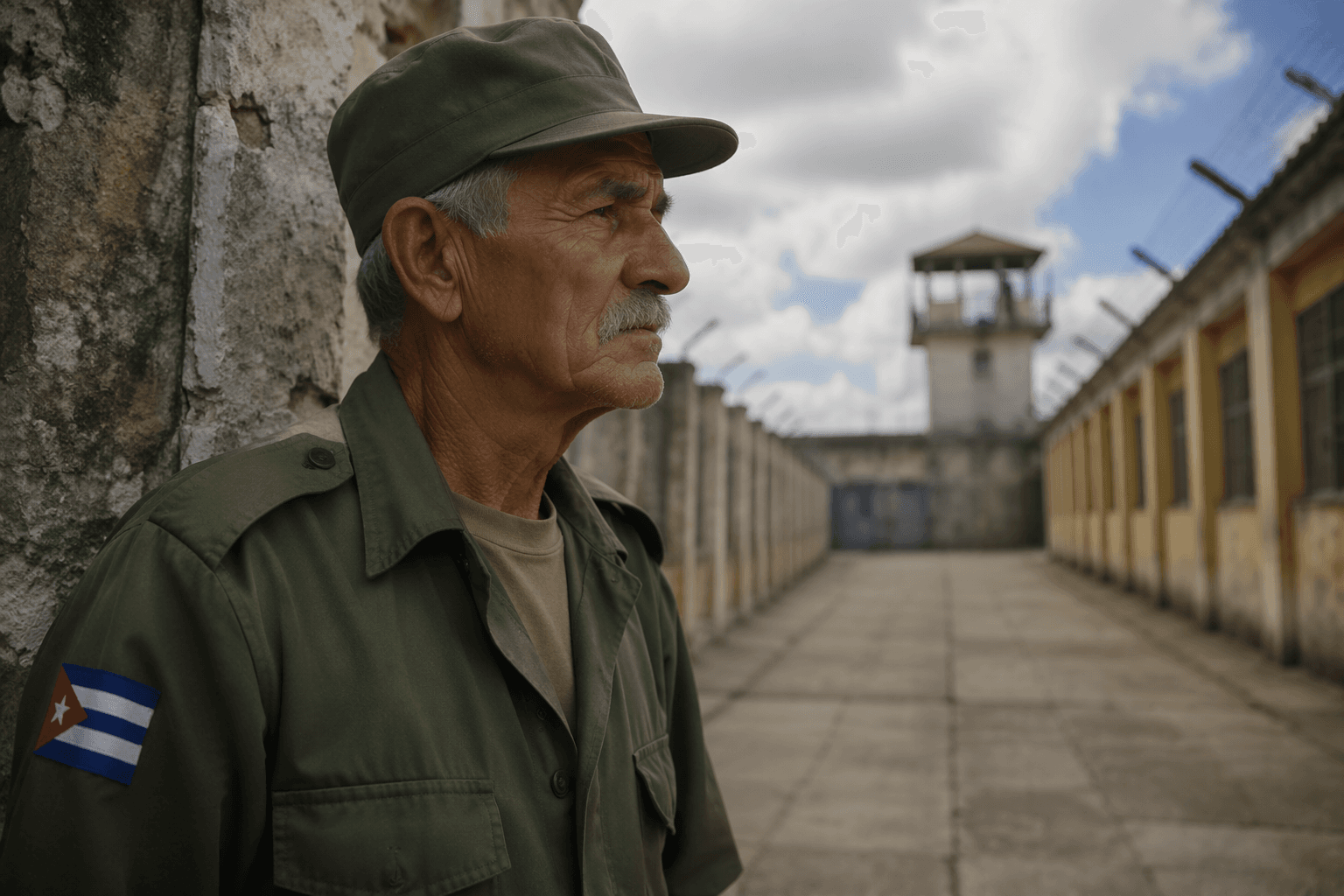
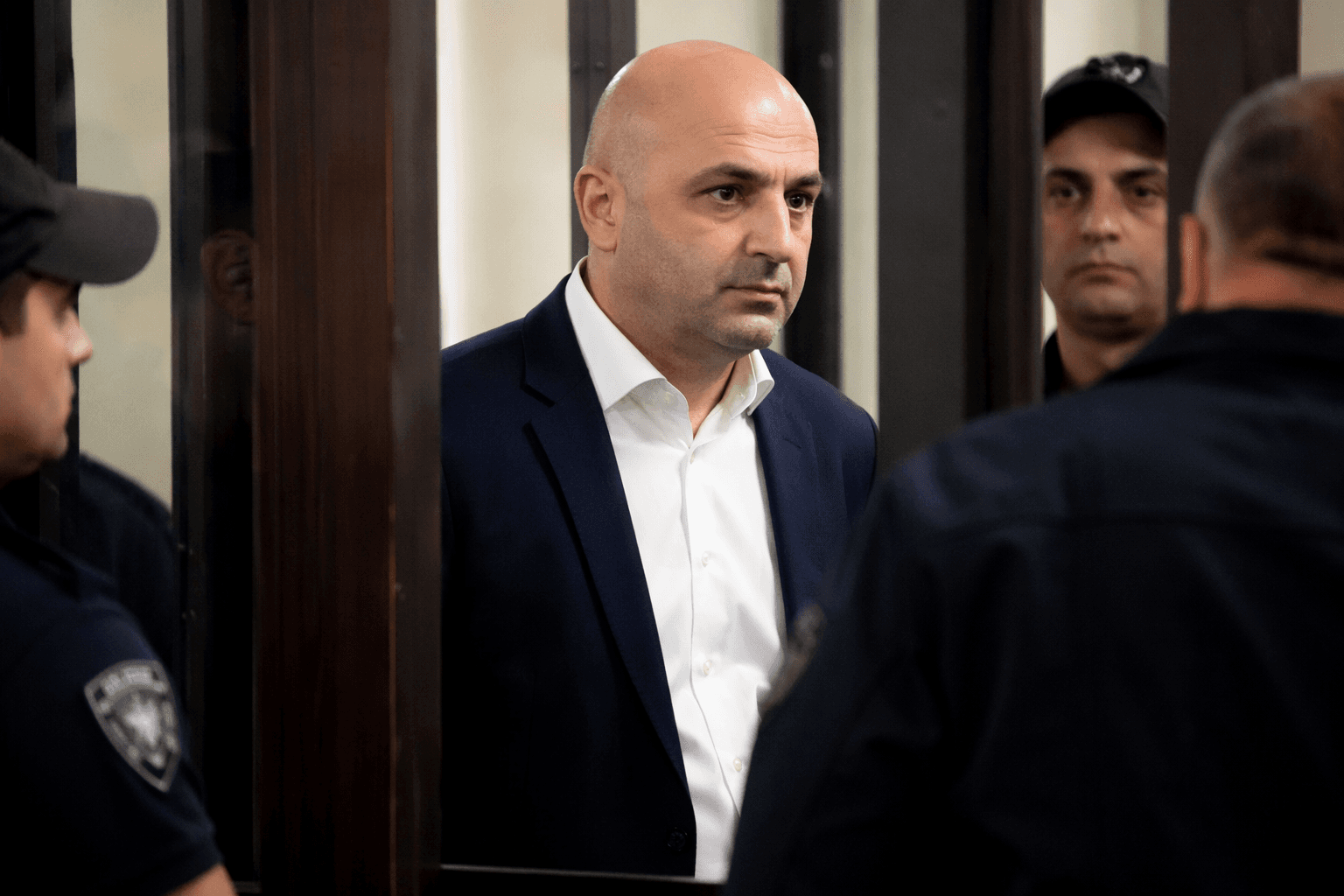
Georgia’s prosecution of Levan Khabeishvili deepened a widening crackdown on dissent on Wednesday, as a court sentenced the opposition figure to 2-1/2 years in prison for sabotage and inciting a coup.
Khabeishvili, a former chair of the United National Movement, was detained on September 11, 2025 after repeatedly urging Georgians to take to the streets for what he called a peaceful revolution around the municipal elections. Authorities initially charged him with bribery and coup incitement, then reclassified the case before the verdict. He has rejected the accusations, while the case has become a test of how far the government is willing to go against senior opposition figures.
The sentence lands in a political climate that has grown steadily harsher since the ruling Georgian Dream party froze accession talks with the European Union on November 28, 2024. Nightly protests have continued since that decision, which many Georgians saw as a break with the country’s European path and a sign of an increasingly closed political order. On election night, riot police used pepper spray and water cannons after some demonstrators tried to force entry to the presidential palace in Tbilisi.
Georgia’s local elections on October 4, 2025 were already shaped by an opposition boycott. The two largest opposition blocs, including the United National Movement, stayed out of the vote, and local reporting put turnout at 40.93% nationwide and 31% in Tbilisi, the lowest level for a local election since independence. Georgian Dream won in all municipalities, tightening its grip on institutions that it has controlled since 2012.
Khabeishvili’s sentence followed another major round of punishment for protest-related unrest. On May 7, 10 people, including the prominent opera singer Paata Burchuladze, received long prison terms in connection with the same wave of demonstrations. The court described those defendants as having tried to overthrow the government and organize violence at large rallies during the municipal elections.
The government says it is defending public order and confronting attempts to stage violent coups. Critics see something else: a broader campaign to silence opposition voices, narrow civic space and push Georgia further away from Europe and the democratic standards its leaders once promised to pursue. The European Union called for calm and restraint after the election and urged authorities to respect the right to protest, while Amnesty International said the election period was marked by severe reprisals, restrictive laws and arbitrary detention of protesters.
Know something we missed? Have a correction or additional information?
Submit a Tip