Georgia Prosecutor Drops Case Against Trump, Eighteen Others
A Fulton County prosecutor asked a judge to dismiss the sweeping election interference indictment against former President Donald Trump and 18 co defendants, and the judge granted the request, ending a high profile case in Georgia. The move reshapes the legal and political landscape at home and abroad, raising questions about prosecutorial discretion, judicial disqualification, and the future of accountability for attempts to overturn election results.
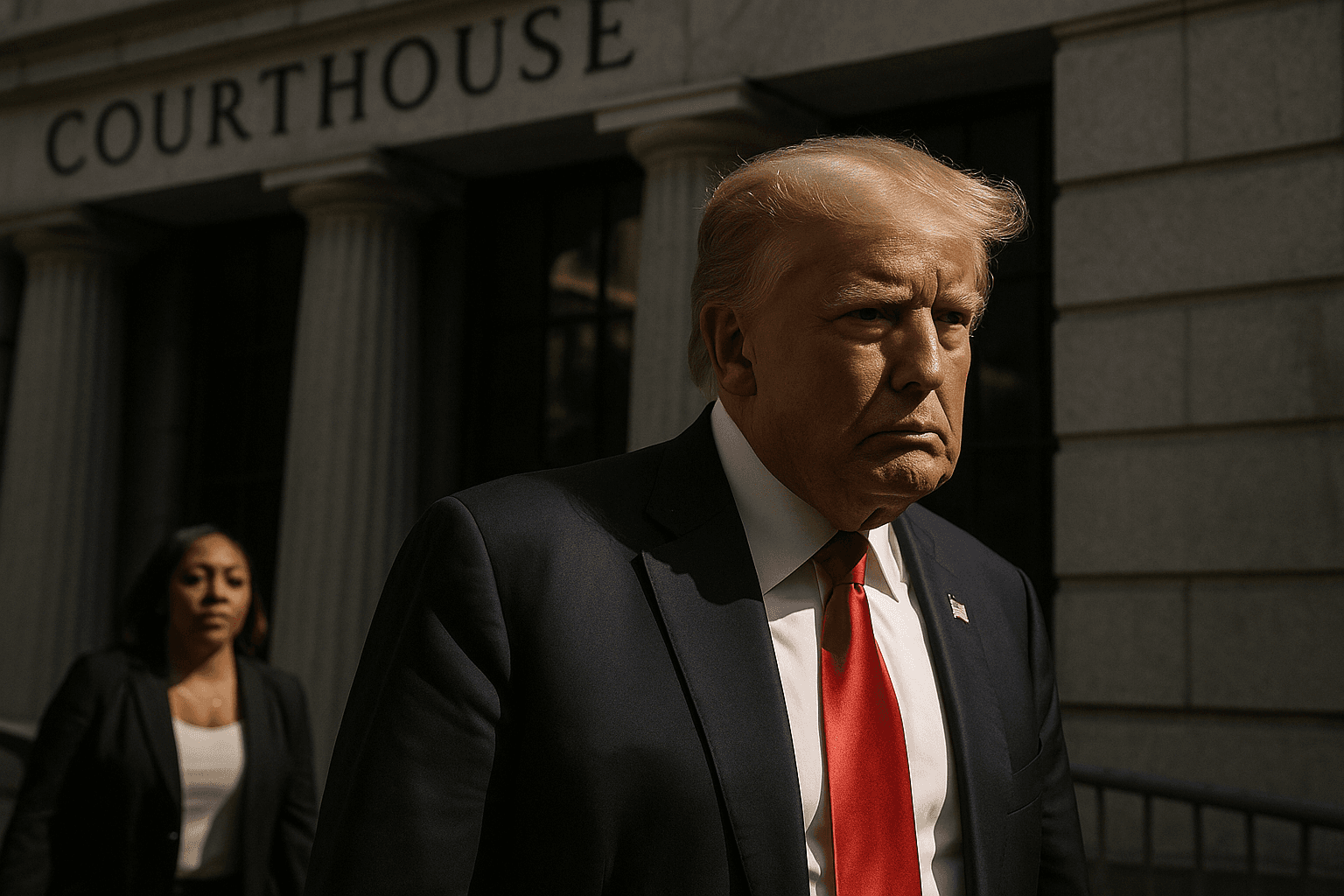
The Fulton County, Georgia, case accusing former President Donald Trump and 18 others of a coordinated effort to overturn the 2020 presidential election was dismissed on November 26, 2025 after the prosecutor who took over the matter requested it be dropped. Pete Skandalakis, executive director of the Prosecuting Attorneys Council of Georgia, had assumed responsibility for the prosecution after the original prosecutor was disqualified. Fulton County Judge Scott McAfee granted the request and entered an order dismissing the indictment in its entirety.
The defendants had pleaded not guilty in August 2023 to a sweeping racketeering indictment that alleged efforts to subvert the state outcome, including soliciting state leaders, harassing an election worker and promoting false claims about the vote count. The dismissal follows a prolonged and contested legal process that included motions over venue, disputes about evidentiary procedure and the high profile disqualification of the initial prosecutor that altered the case’s trajectory.
In a filing explaining his decision Skandalakis wrote, "in my professional judgment, the citizens of Georgia are not served by pursuing this case in full for another five to ten years." The explicit invocation of the public interest and the prospect of lengthy continued litigation framed the dismissal as a pragmatic conclusion to a complex prosecution that officials said would likely be tied up in appeals and ancillary proceedings for years.
Legal scholars and political figures are likely to parse the dismissal for what it reveals about prosecutorial discretion and the limits of state level criminal remedies in politically charged cases. Dismissing a racketeering indictment with such central political implications is rare and will prompt debate about whether the decision reflects sound legal judgment, institutional caution given the earlier disqualification, or political calculation. The judge’s order ends the immediate criminal case, but it does not erase the broader national discussion about accountability for efforts to disrupt democratic processes.
Internationally the outcome will be watched as a measure of American legal resilience and the capacity of U S institutions to adjudicate politically sensitive matters. Allies and rivals alike have monitored the litany of post 2020 legal battles for what they appear to say about rule of law and the stability of American democracy. For foreign governments that emphasize the sanctity of elections, the dismissal may be characterized as a setback for judicial reckoning, while domestic supporters of the former president may cast it as vindication.
The dismissal concludes one of several major legal flash points tied to the 2020 election that have occupied American courts and politics. While the case in Fulton County is ended, the broader legal and political reverberations will persist as lawmakers, prosecutors and civic institutions assess reforms, precedents and the mechanisms by which electoral disputes are resolved in a polarized polity.
This article was produced by Prism’s automated news system from verified source data, official records, and press releases, then run through automated quality and moderation checks before publishing. The system is built and supervised by the people who set the standards it runs under. Read our full AI policy.
Did this article answer your question?

