Georgia Republicans choose Ossoff challenger in high-stakes runoff
Georgia Republicans split between a Trump-backed hard-liner and a former coach as they chose Jon Ossoff’s challenger, a test of the party’s 2026 message.

Georgia Republicans went to a runoff with far more at stake than a Senate nomination. The choice between U.S. Rep. Mike Collins and former football coach Derek Dooley became a test of whether the state GOP is leaning into Donald Trump’s hard-right style or betting on a broader, crossover strategy to win in November.
The winner of the June 16 contest will face Democratic incumbent Jon Ossoff on Nov. 3, 2026, in a race that could help determine control of the U.S. Senate. Ossoff is seeking a second term, and Georgia remains one of the most important battlegrounds because it is a Democratic-held Senate seat in a state Trump carried in 2024.
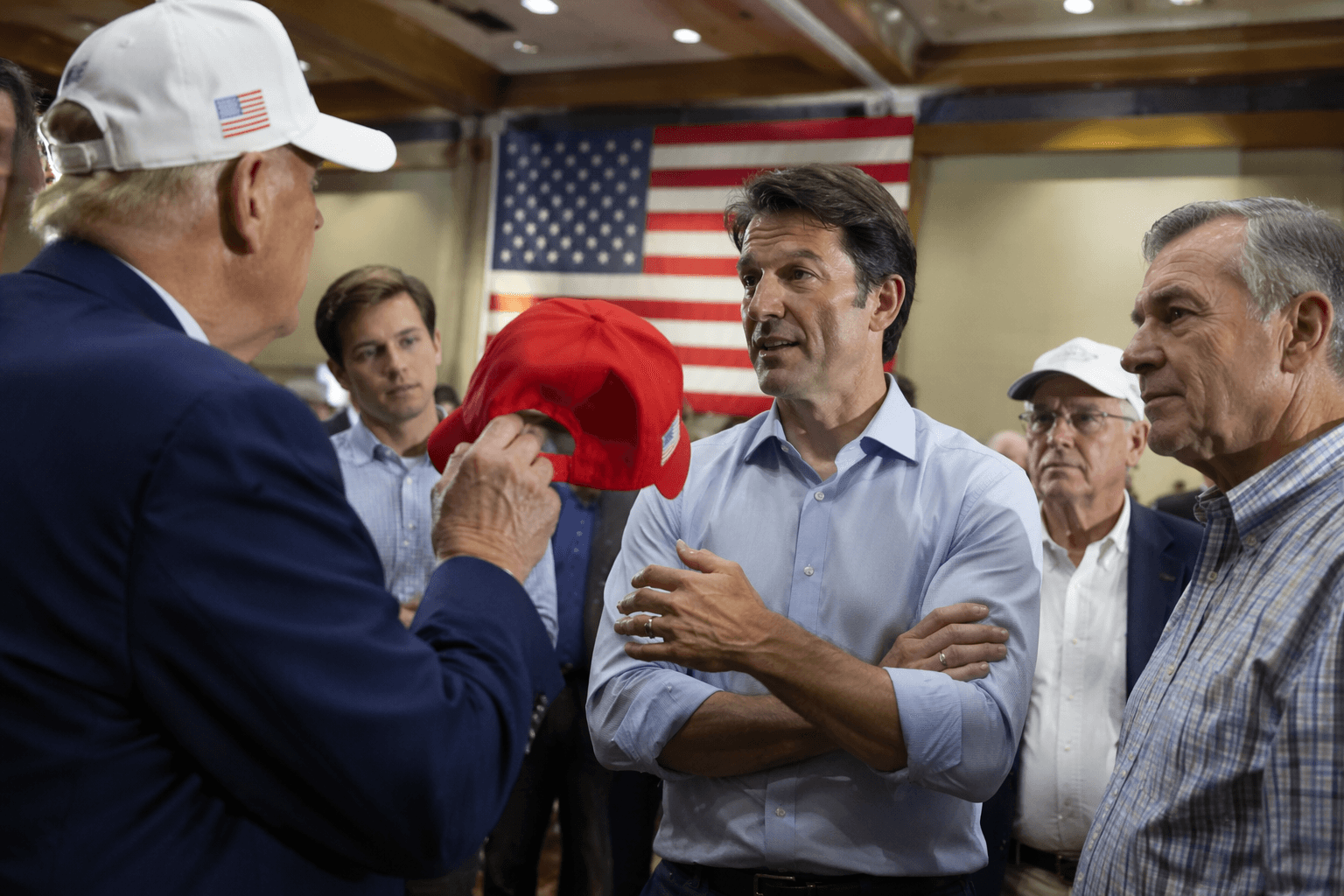
Collins entered the runoff with a last-minute Trump endorsement and cast himself as the candidate most in step with the MAGA base. Dooley, by contrast, ran as a political newcomer, leaning on his background as a former football coach and his argument that he could appeal to independents and Republicans willing to cross over in a general election. The contrast made the runoff less about personality than about what kind of Republican can win statewide in Georgia.
That split also reflected the shadow of Gov. Brian Kemp, whose brand of Republican politics has often emphasized electability and broader appeal. In a three-way primary that also included U.S. Rep. Buddy Carter, Collins and Dooley finished at the top and advanced to the runoff, leaving Republican voters to decide whether the party’s future in Georgia rests with a combative Trump-aligned approach or a more establishment message aimed at the middle.
The stakes extend well beyond the Senate contest itself. Georgia’s voting-age population is about 7.8 million, making the state a crucial arena for turnout, persuasion and message testing heading into the fall. If Republicans settle on a nominee who can hold together the party’s base while reaching independent voters, that argument will shape not just the campaign against Ossoff but the broader Republican pitch in House and Senate battlegrounds across the country.
This article was produced by Prism’s automated news system from verified source data, official records, and press releases, then run through automated quality and moderation checks before publishing. The system is built and supervised by the people who set the standards it runs under. Read our full AI policy.
Know something we missed? Have a correction or additional information?
Submit a Tip