Georgia Special Congressional Runoff Set to Test Party Enthusiasm, Turnout Strategies
Georgia's April 7 special congressional runoff arrives as a test of which party can mobilize core constituencies in a low-turnout off-cycle contest watched as a midterm barometer.
Georgia's special congressional runoff, scheduled for Tuesday, April 7, carries significance far beyond the single seat it will fill. With national committees, outside groups, and campaign staff converging on the district in the days leading up to the vote, both parties have treated the contest as a live test of organizational capacity and message potency heading into the fall midterm cycle.
The runoff follows a vacancy that created an unusual off-cycle election calendar, pulling voters to the polls at a time when civic participation typically drops sharply. Analysts cited in the Associated Press Decision Notes preview warned that low special-election turnout amplifies the influence of highly motivated core constituencies and disciplined field programs, making each door knock and absentee ballot chase more consequential than in a November general. The AP preview pointed to three demographic groups considered pivotal in Georgia: suburban voters, Black voters, and younger cohorts, each of which could shift the margin in a tight race.
Polls conducted in the week before the runoff were limited in number and showed narrow spreads, leaving outcome projections uncertain. The AP advised observers to track precinct-level returns closely once results begin flowing, watching for whether established Georgia patterns, including Democratic strength in urban and suburban areas and Republican margins in rural precincts, repeat or show signs of fracture.
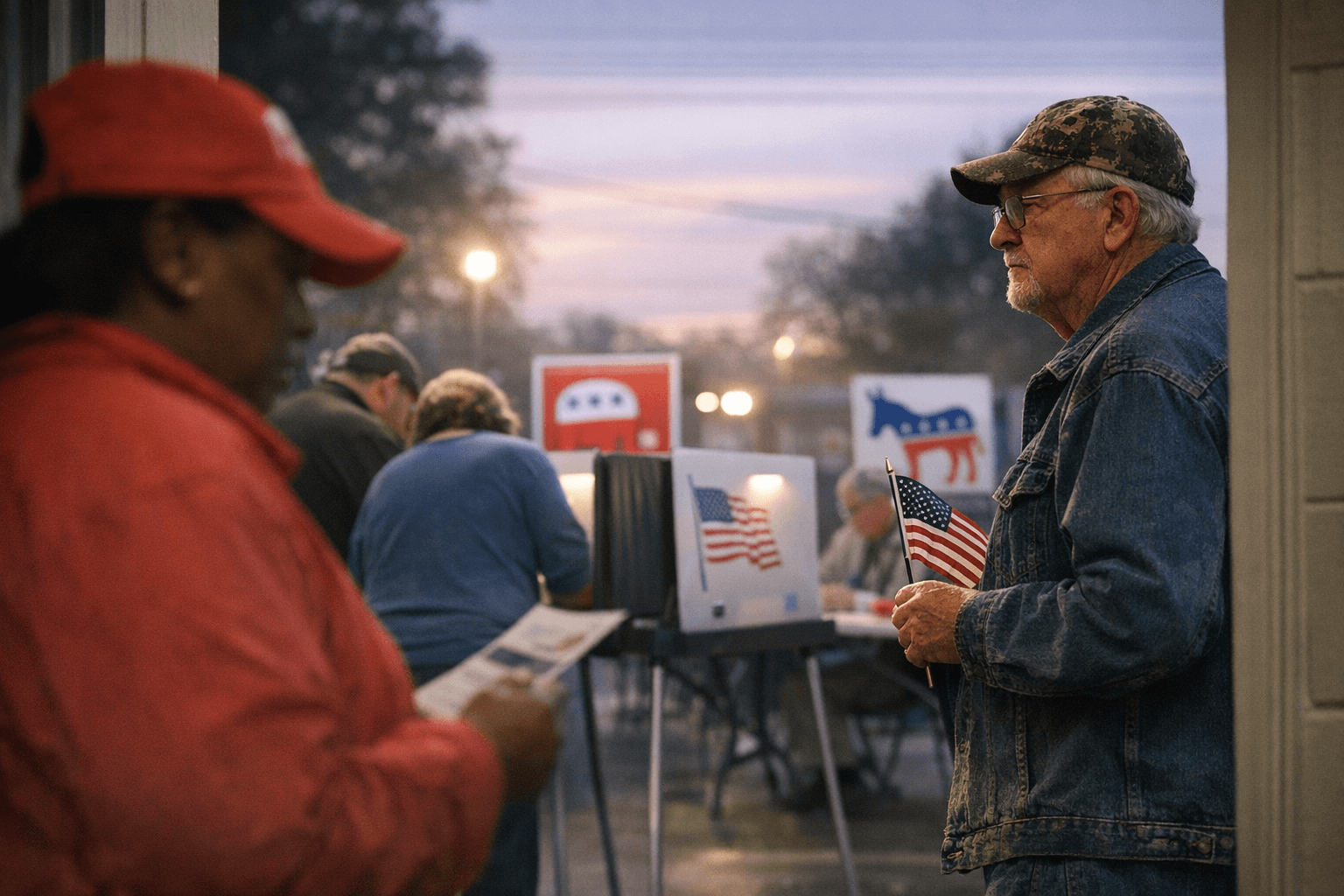
Both campaigns leaned into nationalized framing. One side described the contest as a chance to send a "clear message" about governance and priorities in Washington, while the opposing campaign pivoted toward local issues and accountability. Election experts cited in the AP's preview were direct in their assessment: in a special runoff, get-out-the-vote operations typically determine outcomes more decisively than late advertising expenditures.
Administrative factors could extend the timeline before a winner is confirmed. Journalists covering the race flagged provisional-ballot handling as a potential complicating variable in any close result, and local election officials remain the authoritative source for certified returns after polls close at the end of Tuesday evening. How quickly and cleanly those results materialize will shape how both parties interpret the outcome as they build their narratives for the races ahead.
This article was produced by Prism’s automated news system from verified source data, official records, and press releases, then run through automated quality and moderation checks before publishing. The system is built and supervised by the people who set the standards it runs under. Read our full AI policy.
Did this article answer your question?

