Supreme Court Clears Path to Erase Bannon's Contempt of Congress Conviction
The Supreme Court vacated Bannon's contempt conviction ruling without issuing an opinion, handing the Trump DOJ control over whether a jury verdict gets erased.
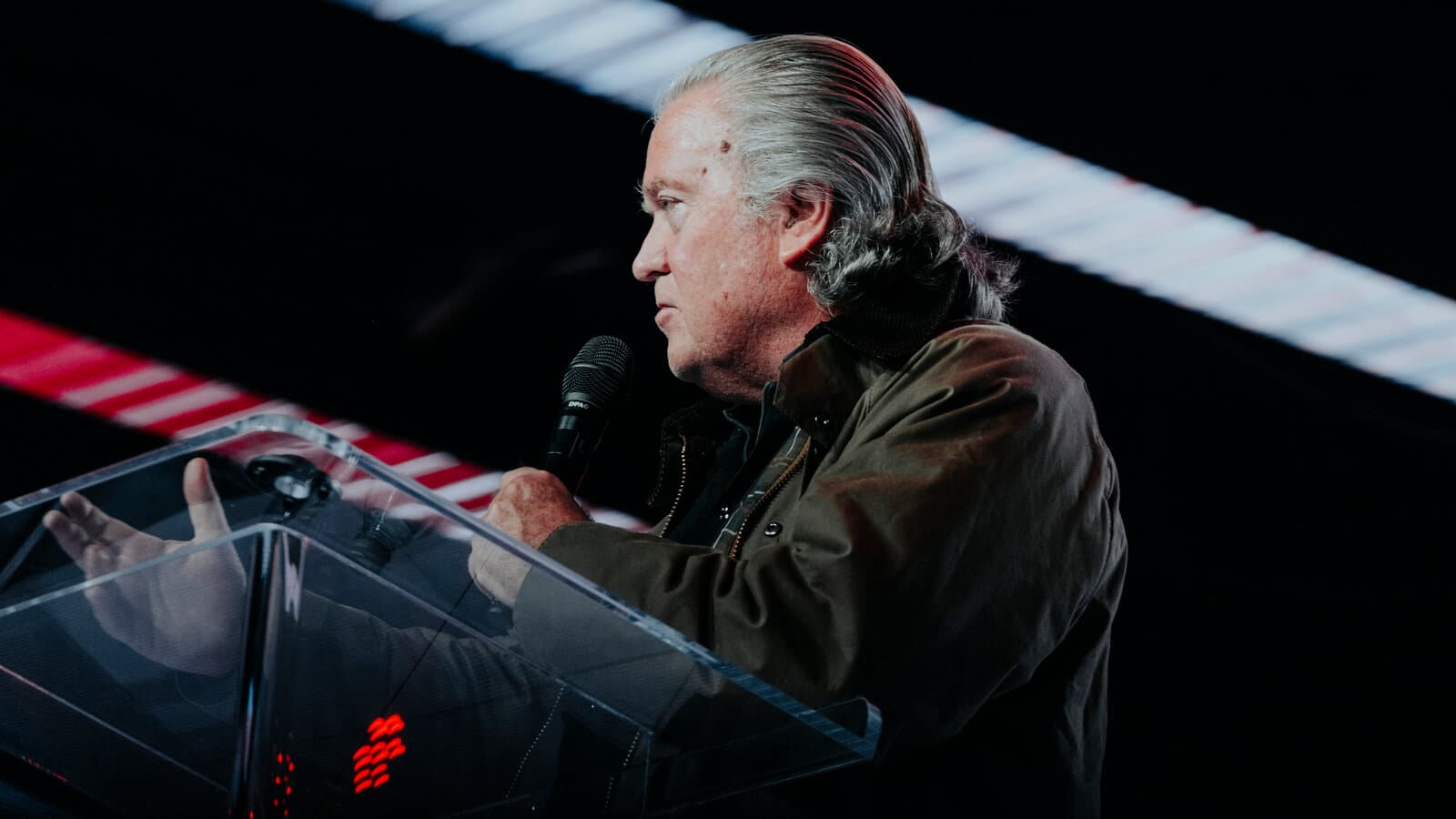
A brief, unsigned Supreme Court order has put Stephen K. Bannon's contempt-of-Congress conviction on a clear path to dismissal, a procedural step that required no constitutional ruling from the Court and left the fate of the case entirely in the hands of the Justice Department that once prosecuted it.
The Court vacated the D.C. Circuit's ruling upholding Bannon's conviction and remanded the case to the appeals court to consider the Justice Department's motion to dismiss. The DOJ, now operating under the Trump administration and led by Attorney General D. John Sauer, filed that motion in February, arguing dismissal was in the "interests of justice." The Supreme Court issued no opinion explaining its reasoning.
Bannon, Trump's former White House chief strategist, was convicted in 2024 on two misdemeanor counts of contempt of Congress after refusing to comply with a subpoena from the House Select Committee investigating the January 6, 2021, attack on the U.S. Capitol. He served a four-month prison sentence. The D.C. Circuit initially upheld his convictions; the full appeals court then declined to rehear the case. Before he reported to prison, Bannon had asked the Supreme Court to intervene, and the Court turned him away at that time.
Attorney Michael Buschbacher, one of Bannon's lawyers, welcomed the order. "This case should never have been brought, and we're delighted that the decision affirming Mr. Bannon's unlawful conviction has finally been vacated," Buschbacher said.
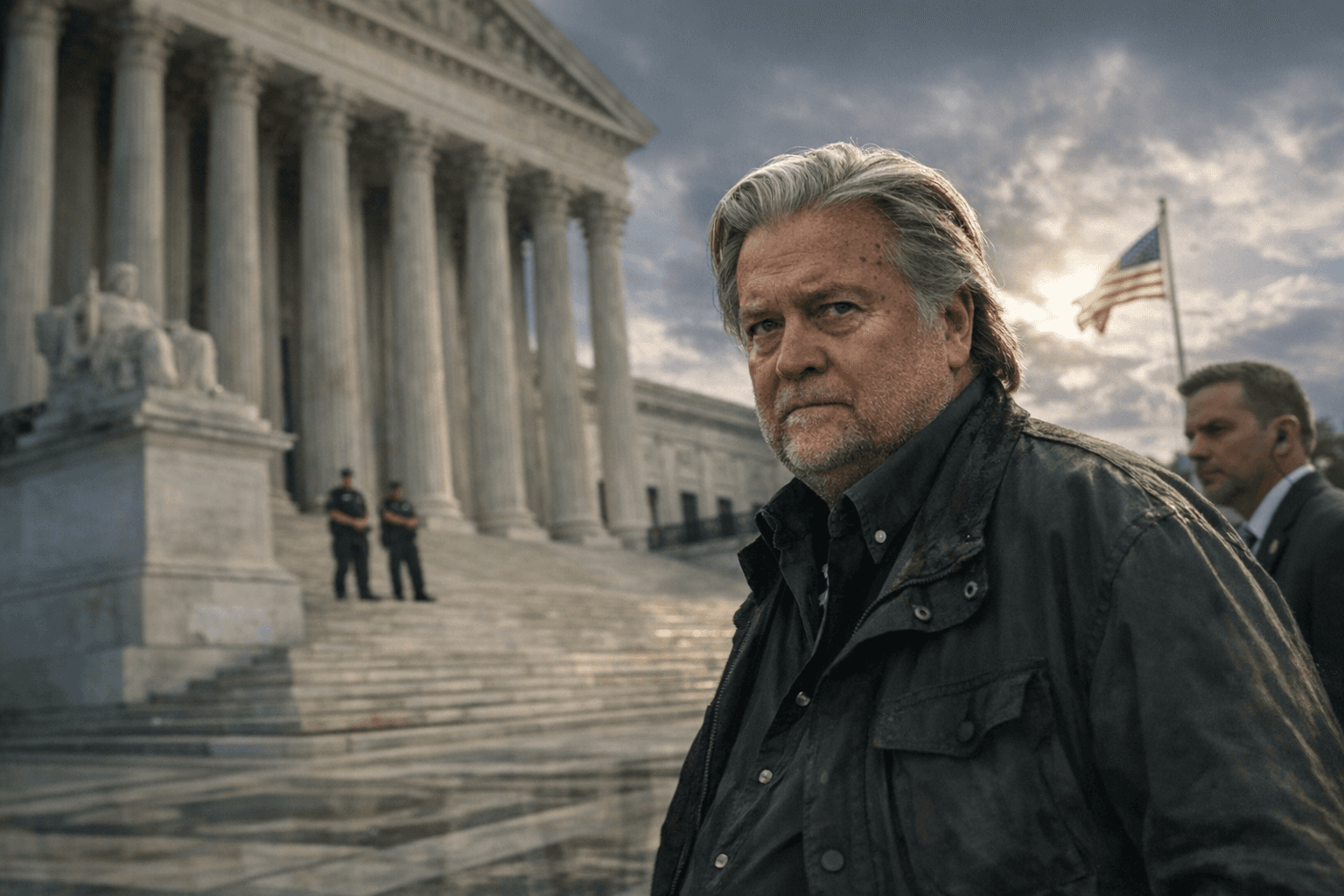
The Court's brevity is the story. By issuing no opinion on executive privilege, the scope of congressional subpoena authority, or the willfulness standard under the contempt statute, the justices left every constitutional question unanswered while giving the current administration the procedural lever it needed. The order does not itself dismiss the conviction. That step remains with the D.C. Circuit, which must now rule on the DOJ's motion, a result widely expected to follow quickly.
For Congress, the episode crystallizes a structural vulnerability in contempt enforcement. A witness can refuse a subpoena, survive a prosecution that outlasts one administration, and watch the next administration move to erase the result. Civil liberties groups and congressional Democrats warned the dismissal represents politicization of the justice system; Bannon's allies in conservative circles called it a correction of an unjust prosecution.
The pattern extends beyond this case. The Trump administration has moved to review, drop, or commute prosecutions of a range of allies since taking office. Each episode sharpens the same question: whether contempt of Congress carries any durable consequence when the executive branch controls whether prosecutions are pursued, continued, or quietly buried. Until Congress finds a mechanism to enforce its own subpoenas independent of the Justice Department, the Bannon case offers a precedent that stonewalling carries a limited and erasable cost.
Sources:
Know something we missed? Have a correction or additional information?
Submit a Tip