Georgia Wildfires Destroy Dozens of Structures, Kemp Declares Emergency
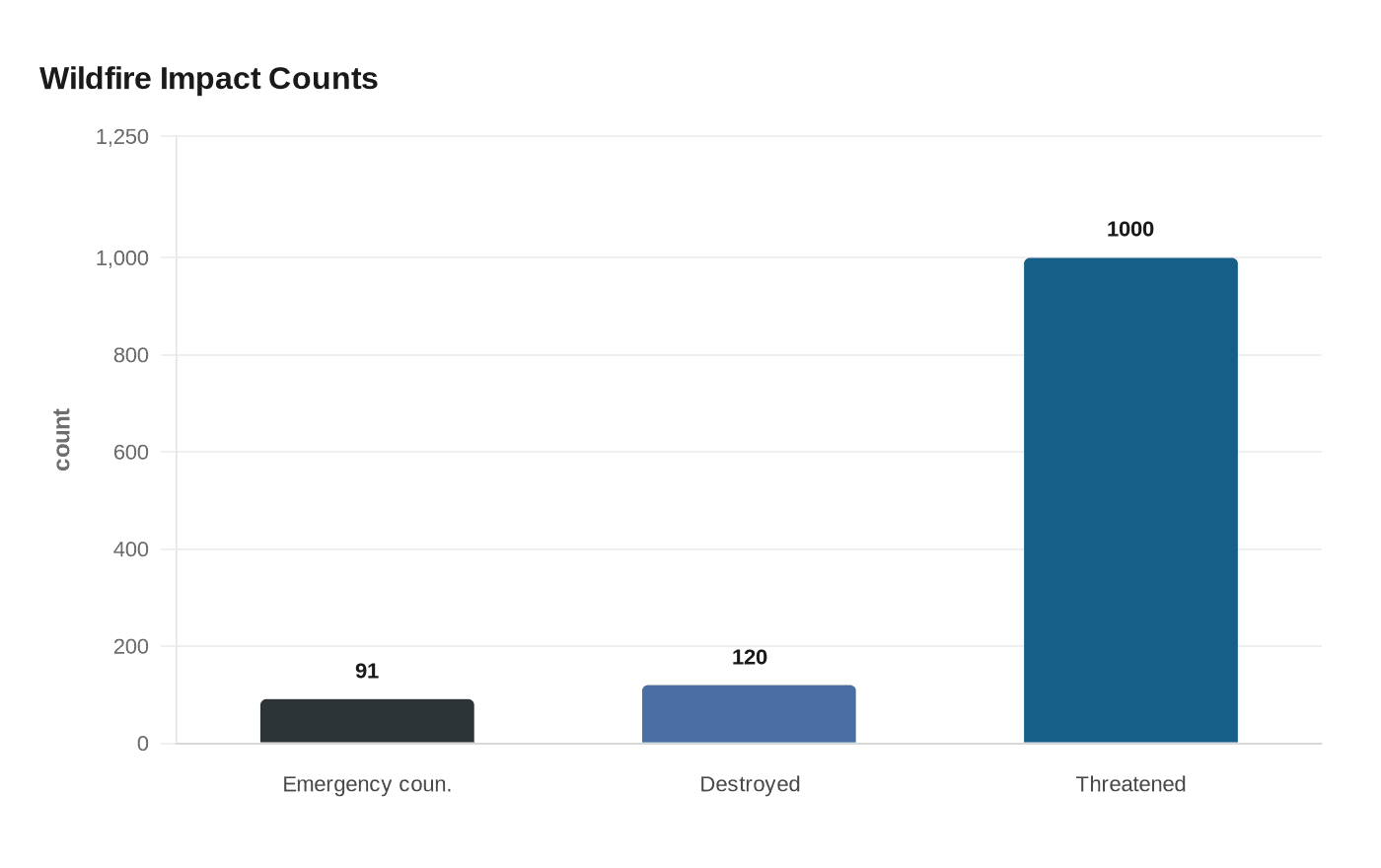
South Georgia’s fires destroyed more than 120 homes and buildings, forced school evacuations, and pushed Brian Kemp to declare emergencies across 91 counties.
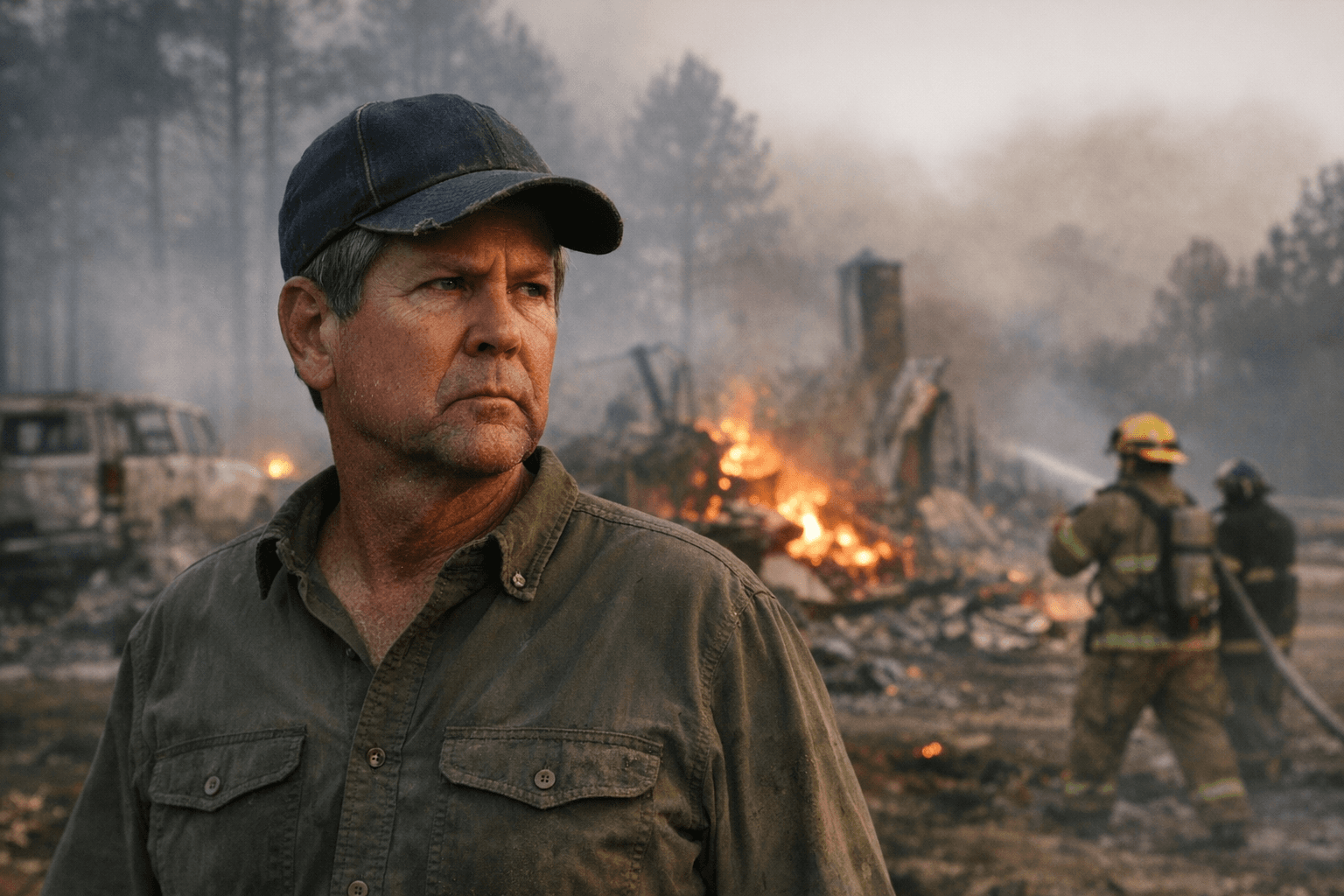
Drought and low humidity turned southeast Georgia into a fire zone this week, forcing Gov. Brian Kemp to declare a state of emergency in 91 counties as flames jumped from rural timberland into neighborhoods, schools and highways.
The 30-day order, announced April 22, activated the Georgia Forestry Commission and other state agencies, imposed a burn ban across the affected counties and came as Kemp said the state’s wildfires had already exceeded Georgia’s five-year average. Federal officials later authorized money to reimburse firefighting costs tied to the Pineland Road fire in Clinch and Echols counties and the Highway 82 fire in Brantley County.
The damage was growing fast. Officials said more than 120 homes and other buildings had been destroyed in southeast Georgia, while nearly 1,000 additional homes were threatened. One fast-moving fire in Brantley County was reported at about 5,000 acres and roughly 10% contained on April 22, then, as winds shifted, later reports said it had expanded to nearly 9,000 acres.
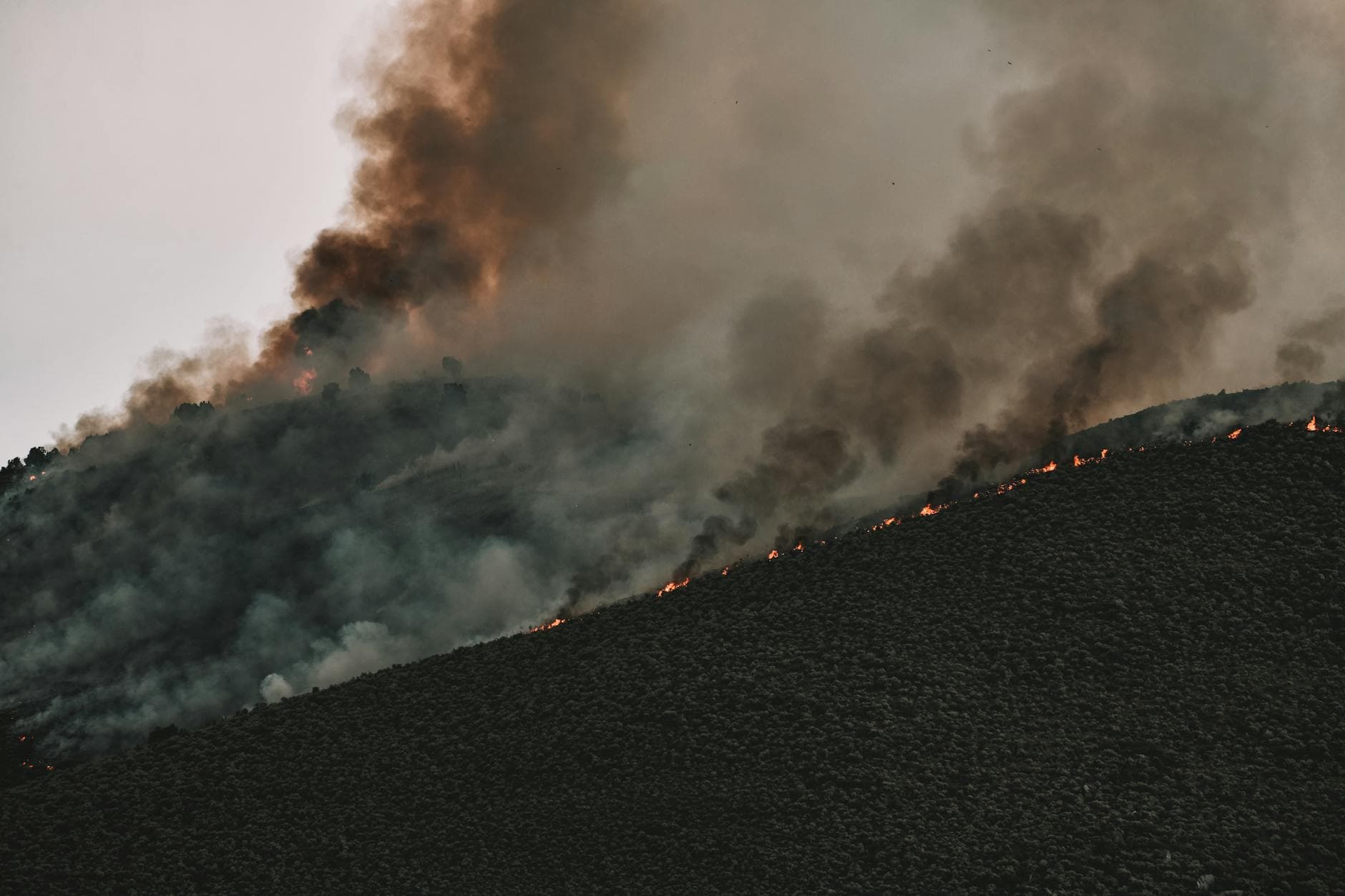
Investigators also were looking at a possible spark: Associated Press reported that one blaze may have been started when an aluminum or foil party balloon touched power lines. The fires spread through South Georgia communities that were suddenly juggling evacuations, road closures and school relocations, with students pulled from Waynesville Primary and Atkinson Elementary in Brantley County. In the community of Waynesville, local reports said entire blocks were reduced to ash.
The smoke did not stay local. It drifted as far as metro Atlanta, underscoring the public health reach of a rural wildfire outbreak that was still unfolding. Residents lost homes, pets and family keepsakes, while shelter sites were opened for displaced families and emergency crews worked across Brantley County, Clinch County and Echols County to slow the spread.
Kemp said the destruction could amount to the highest tally of homes lost in a single wildfire in Georgia history. For a state better known for storm response than wildfire evacuations, the outbreak exposed how quickly fire risk can move east when dry weather, low humidity and vulnerable infrastructure align. What had long been treated as a Western crisis was now forcing Georgia to confront a new reality in the Southeast.
This article was produced by Prism’s automated news system from verified source data, official records, and press releases, then run through automated quality and moderation checks before publishing. The system is built and supervised by the people who set the standards it runs under. Read our full AI policy.
Did this article answer your question?

