Georgia wildfires force evacuations, Kemp declares emergency as Spirit seeks bailout
Fast-moving wildfires burned more than 27,000 acres in South Georgia, forcing evacuations and exposing how thin the state’s emergency system can be.
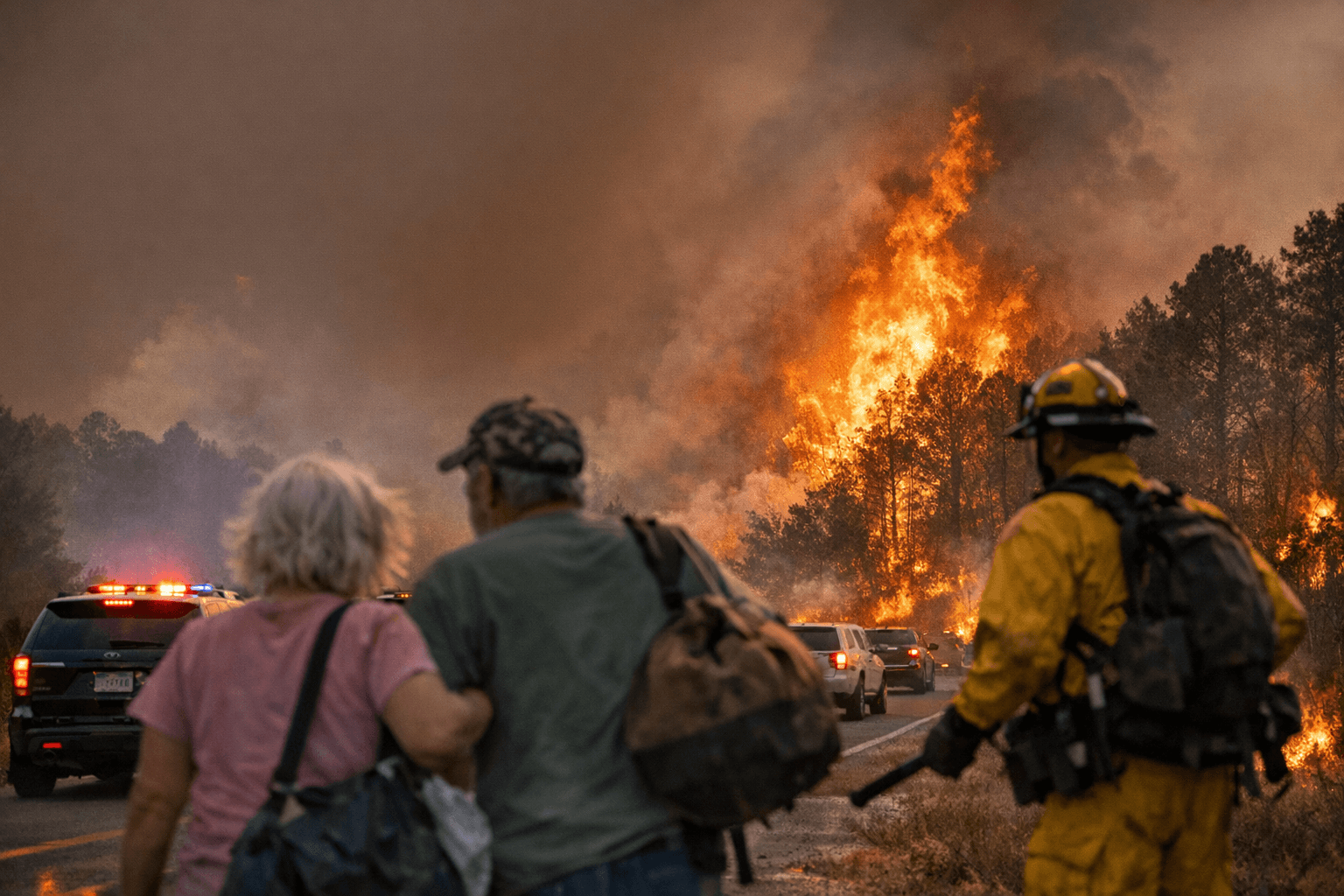
South Georgia’s wildfire crisis has turned into a test of how much pressure Georgia’s emergency system can absorb at once. Gov. Brian Kemp declared a state of emergency for 91 counties on April 22, triggered the state’s first mandatory burn ban, and put the order in place for 30 days unless renewed as fast-moving fires forced evacuations, road closures and renewed scrutiny of evacuation capacity across the region.
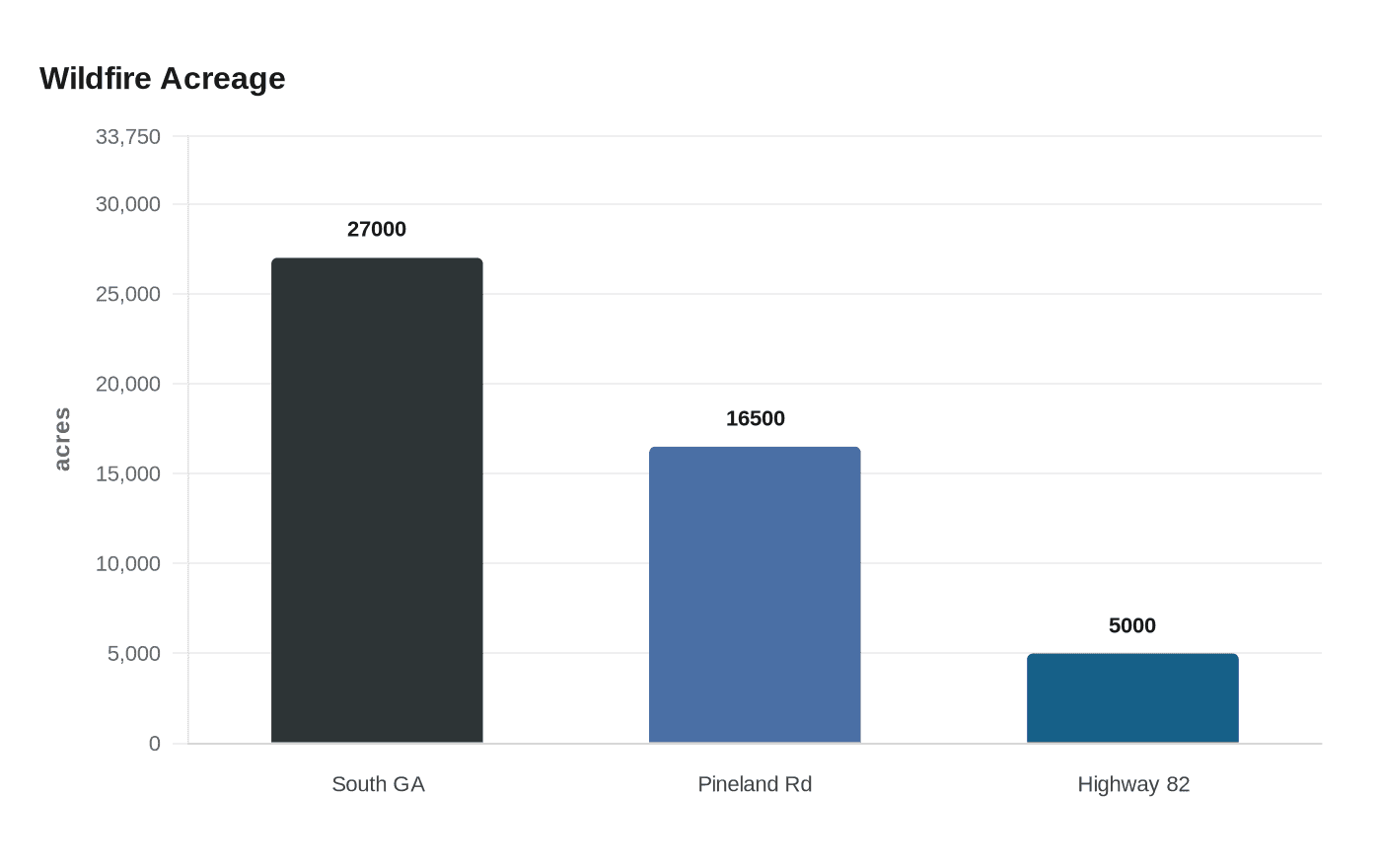
The scale is already severe. State officials said more than 27,000 acres were burning across South Georgia, with fire behavior intensified by extreme drought and wind. Kemp said wildfire activity had already surpassed Georgia’s five-year average. In Clinch County, the Pineland Road Fire had grown to more than 16,500 acres and was only 10 percent contained. In Brantley County, the Highway 82 fire expanded to about 5,000 acres in a single day and destroyed at least 54 homes.
No lives had been lost as of April 22, but the damage has pushed local governments into immediate response mode. Brantley County schools canceled classes because of the fire threat and heavy smoke, underscoring how quickly the fires disrupted everyday life far beyond the burn zones. Roads closed, evacuation decisions accelerated and local agencies were forced to stretch limited resources while the fires continued to spread.
The state response has been broad. Georgia Forestry Commission crews have been deployed alongside the Georgia National Guard’s activation authority, helicopters from the Georgia Department of Natural Resources and the Georgia State Patrol, livestock relocation assistance from the Georgia Department of Agriculture, and federal Fire Management Assistance Grants approved by the Federal Emergency Management Agency for both the Pineland Road Fire and the Highway 82 wildfire. The emergency declaration also includes a price-gouging ban, a move aimed at preventing profiteering as residents face shelter, fuel and rebuilding costs.
The fires have also revived questions about how quickly state and federal systems can move when multiple crises hit at once. While South Georgia faced evacuations and property losses, the Trump administration was also in advanced talks over a Spirit Airlines financing package of around $500 million that could give the government an equity stake in the carrier. Spirit is facing its second Chapter 11 bankruptcy in less than a year, and President Donald Trump said the airline has about 14,000 jobs and should be helped. The airline fight may play out in Washington; in Georgia, the immediate issue is whether emergency capacity can keep pace with fire moving through dry land, packed counties and vulnerable rural communities.
Know something we missed? Have a correction or additional information?
Submit a Tip