Geothermal plant to heat 10,000 homes and produce UK’s first lithium
Water super-heated by bedrock will supply heat for 10,000 homes and yield the United Kingdom’s first domestic lithium for batteries, boosting energy security.
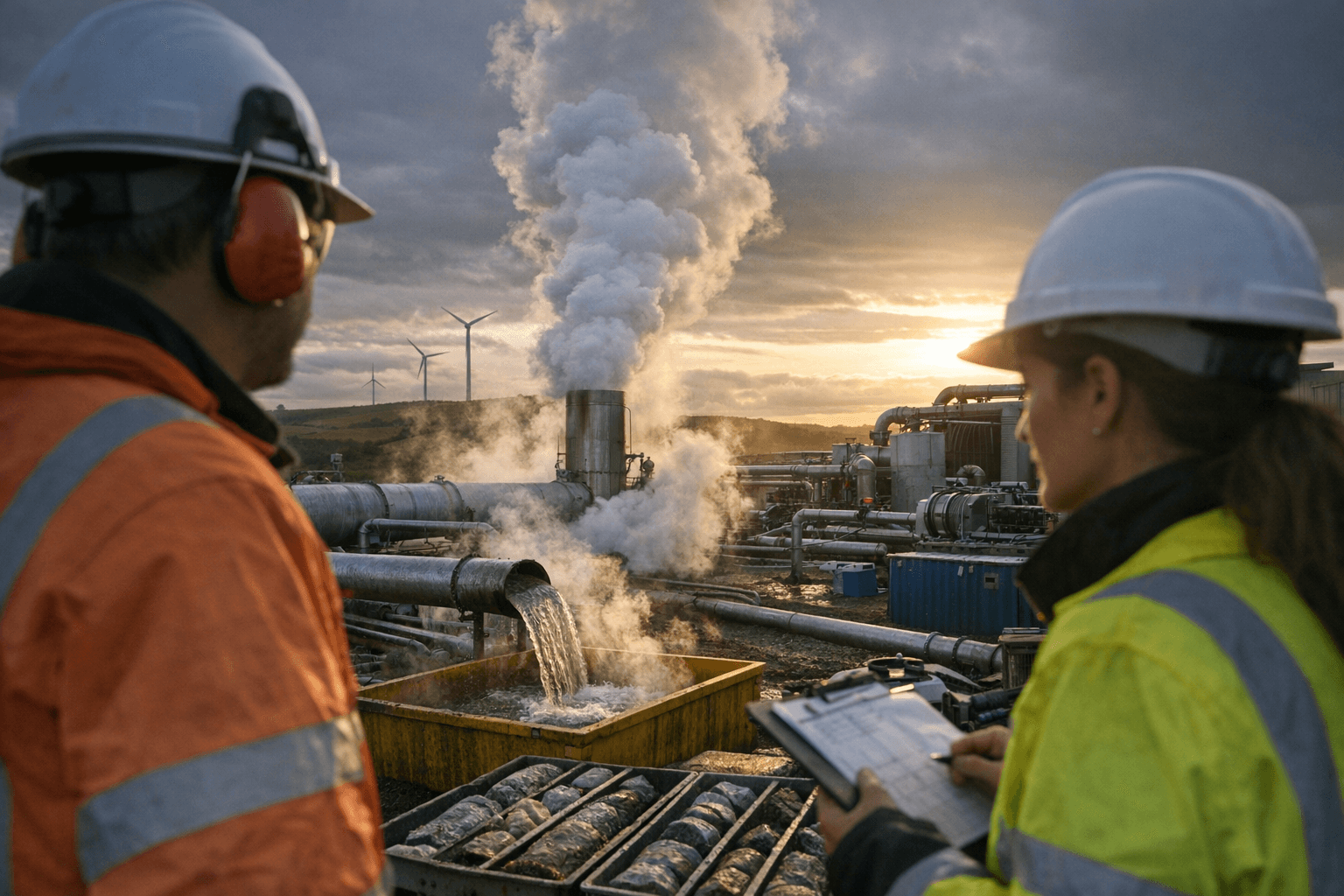
A geothermal facility in Cornwall will use water heated by hot rock to supply heat to roughly 10,000 homes and deliver the United Kingdom’s first domestically produced lithium for battery manufacturing, marking a dual renewable milestone for energy and critical minerals on February 26, 2026. The project couples deep geothermal heat with brine processing to extract lithium dissolved in the hot fluids, creating simultaneous streams of low-carbon heat and a strategic industrial input.
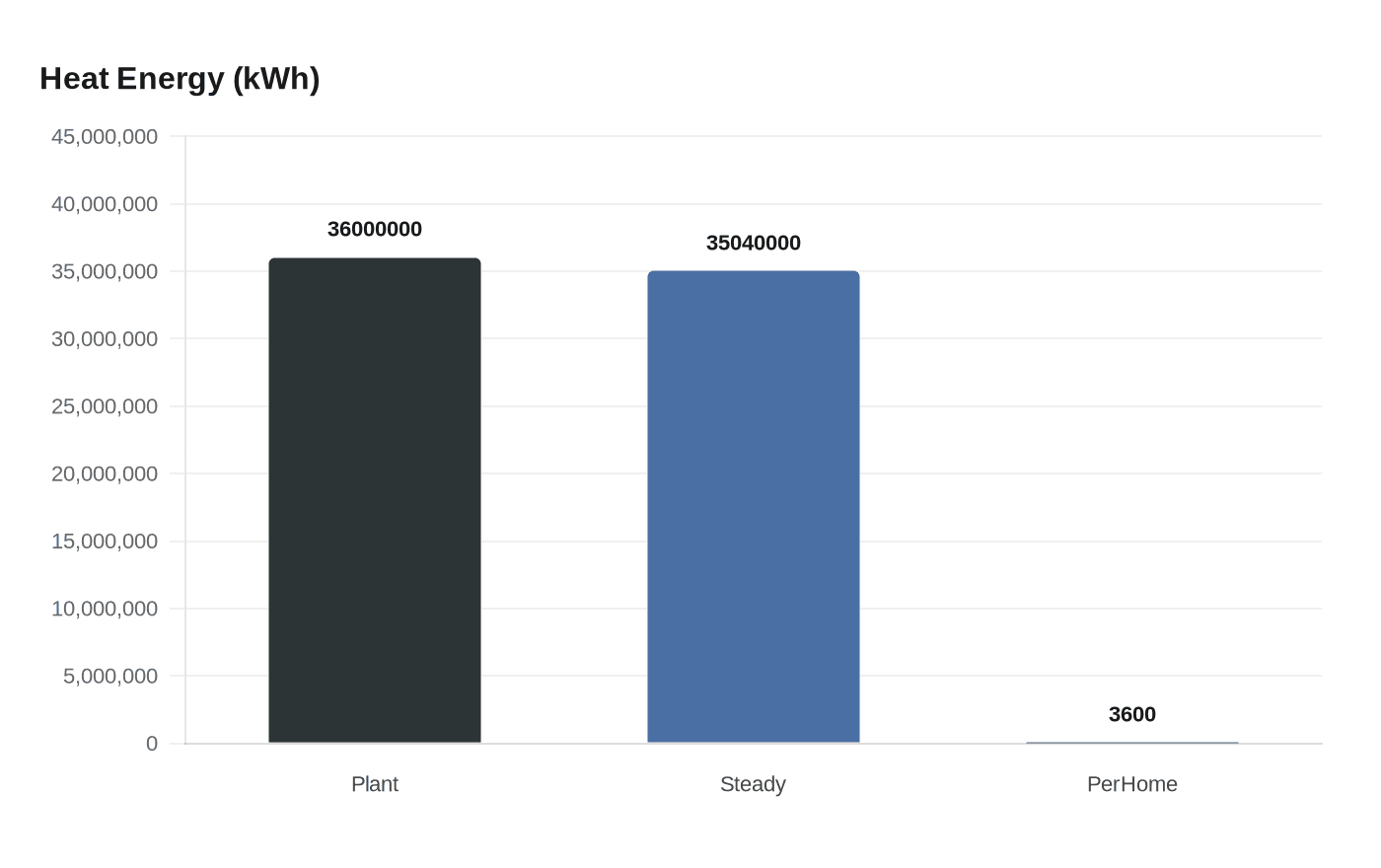
The plant’s thermal output equates to roughly 36 gigawatt-hours a year of delivered heat, a volume that corresponds to the annual electricity equivalent for about 10,000 typical UK households (approximately 3,600 kWh per household per year). On a continuous basis that is roughly a 4 megawatt equivalent of steady thermal power, providing a predictable, baseload source that can feed local heat networks and displace fossil-fuel boilers in homes and businesses.
Commercial partners behind the scheme include established geothermal developers and mineral startups working in Cornwall’s subsurface reservoirs, with local authorities backing infrastructure connections. The project brings an operational example of a technology long discussed by policymakers: producing heat and extracting lithium from the same hydrothermal resource reduces the net cost of both services and shortens the supply chain for battery metals that the UK currently imports almost entirely.
Market implications are immediate. Domestic lithium supply can reduce the exposure of UK battery makers and automakers to volatile international markets dominated by concentrated producers. Even a small initial output will be itemized as the first homegrown input into nascent UK battery supply chains, improving bargaining positions for downstream manufacturers and lowering geopolitical supply risk. For grid operators, a steady geothermal heat source eases seasonal peaks in gas demand for heating and can smooth electricity demand where heat pumps are deployed, reducing balancing costs for the National Grid.
Policy makers will see the project as a validation of industrial strategies tying energy security to critical-minerals policy. The Department for Energy Security and Net Zero’s priorities include scaling domestic low-carbon energy while developing battery supply chains; this combined geothermal-lithium model addresses both objectives in one asset. The technology also aligns with long-term net-zero targets by replacing fossil heat and by delivering domestically sourced battery inputs essential for electrifying transport and storing renewable power.
Challenges remain for replication at scale. Geological suitability is highly site-specific, upfront drilling costs are large, and brine chemistry can complicate lithium extraction processes. Regulatory frameworks for subsurface rights and mineral extraction will need to adapt to incentivize private capital. If those hurdles are overcome, analysts say geothermal paired with brine extraction could become a template for regions with hot, lithium-bearing reservoirs, offering predictable baseload renewables and a route to partial import substitution in critical minerals, a tangible operational step toward a more resilient, electrified economy.
This article was produced by Prism’s automated news system from verified source data, official records, and press releases, then run through automated quality and moderation checks before publishing. The system is built and supervised by the people who set the standards it runs under. Read our full AI policy.
Did this article answer your question?