U.S. officials blocked Venezuela from wiring legal fees for Maduro, lawyers tell judge
Lawyers for Nicolás Maduro told a Manhattan judge on Feb. 25 that U.S. officials prevented Venezuela from paying legal fees for him and his wife in a New York drug case.
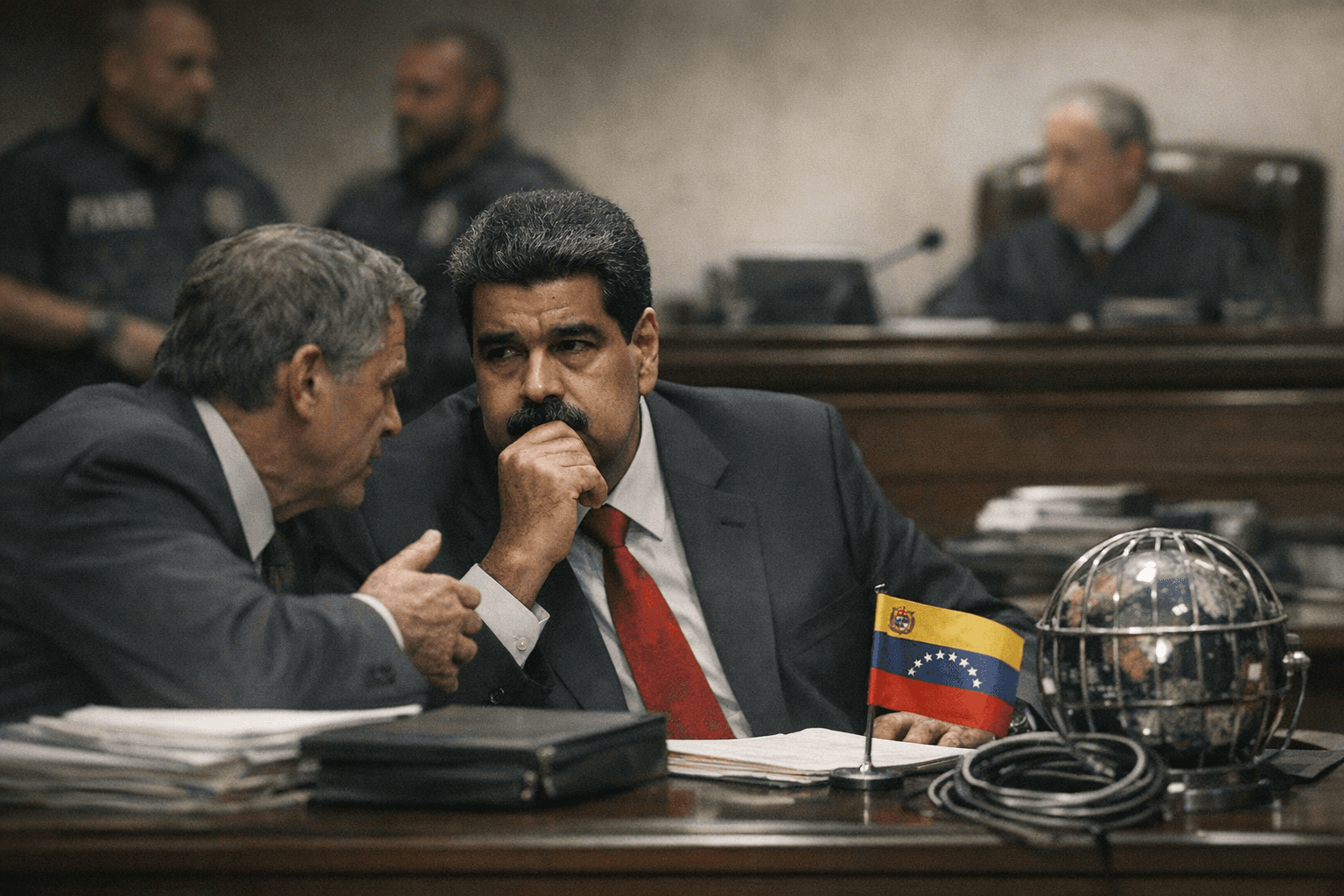
Lawyers for Venezuelan President Nicolás Maduro told a Manhattan federal judge on Feb. 25 that U.S. officials had blocked the Venezuelan government from wiring legal fees intended to cover defense costs for Maduro and his wife in the federal drug‑trafficking prosecution pending in New York. The defense lodged the claim in a letter to the court, saying payments that would fund counsel have been halted, leaving the accused without access to funds routed through U.S. banks.
The allegation raises immediate legal and diplomatic stakes. If true, the action would effectively use financial controls to restrict a defendant’s ability to pay counsel in a U.S. criminal matter, a situation that defense attorneys say could implicate constitutional protections and long‑standing principles about access to counsel. The defense letter asks the court to consider the blockage as part of ongoing litigation over how Maduro, who remains based in Caracas, can participate in and mount his defense.
U.S. financial restrictions on Maduro’s government have been extensive since Washington intensified sanctions in 2019. Such measures typically operate through the Treasury Department and its Office of Foreign Assets Control, and they rely on correspondent banking relationships and compliance by U.S. and foreign banks to enforce prohibitions on certain transactions. Banks that receive U.S. dollar payments route them through U.S. financial infrastructure, which creates a choke point that can stop wires even when they are meant for lawyers or other noncommercial services.
The immediate operational impact is concrete: firms and individuals hired to represent Maduro and his wife in New York may be unable to receive retainers or pay staff from accounts that touch the U.S. system. That raises hard questions for defense counsel and for the court about how to ensure effective representation in a high‑stakes federal prosecution while respecting sanctions regimes that U.S. policymakers say are intended to pressure the Maduro government.
Beyond the courtroom, the episode highlights a broader economic and market consequence of modern sanctions policy. Financial de‑risking by correspondent banks increases frictions in cross‑border legal and commercial payments, pushing state actors and private clients to seek alternative rails or non‑U.S. currencies. Over time, that can raise transaction costs, reduce access to dollar liquidity for sanctioned states, and accelerate efforts at partial de‑dollarization, a long‑term trend that central banks and multinational firms track because it affects trade financing and capital flows.
Policy debate will likely follow. Advocates of strict sanctions argue that economic pressure is one of the few levers available to influence authoritarian regimes. Civil liberties and defense groups counter that blanket financial controls can sweep up fundamental legal rights and complicate the U.S. justice system’s ability to adjudicate cases fairly. Courts confronted with these tensions may consider narrowly tailored orders, requests for Treasury exemptions, or procedures that allow payments to flow while maintaining compliance with sanctions.
The Feb. 25 letter places the issue directly before the Manhattan judge, who will need to weigh whether to order remedial steps to facilitate payment to counsel or to leave enforcement of the financial restrictions to the executive branch. For now, the blocked transfers underscore how the global dominance of the U.S. payments system gives American policy tools immediate operational consequences for international litigation and for the practical ability of defendants to secure legal representation.
This article was produced by Prism’s automated news system from verified source data, official records, and press releases, then run through automated quality and moderation checks before publishing. The system is built and supervised by the people who set the standards it runs under. Read our full AI policy.
Did this article answer your question?


