Geothermal potential put spotlight on Hidalgo County energy future
A local radio program highlighted geothermal energy and Lightning Dock near Lordsburg, noting statewide potential of about 163 gigawatts and hurdles to scaling projects.
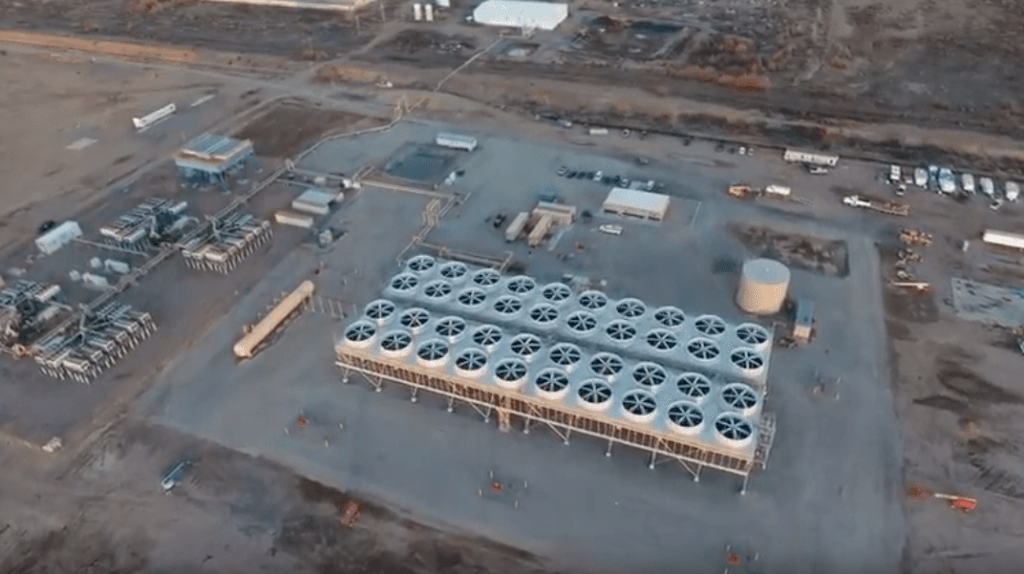
A recent local radio program turned attention to geothermal energy’s role in New Mexico’s clean-energy transition and singled out Lightning Dock near Lordsburg as the state’s only utility-scale geothermal plant. The discussion put a technical and economic lens on a report that estimates New Mexico could host roughly 163 gigawatts of geothermal capacity statewide, a figure that underscores far-reaching long-term potential even as near-term barriers remain.
Program guests included a geophysicist from the New Mexico Bureau of Geology and organizers from the New Mexico Geothermal Working Group, who outlined both small-scale and utility-scale uses. Small applications such as ground-source heat pumps and geothermal greenhouses were presented as immediately deployable ways households, farms, and businesses can lower heating and cooling bills and extend growing seasons. The conversation also invited public participation, asking listeners to submit questions and comments on local prospects.
Despite the large theoretical resource, panelists emphasized two practical hurdles: high upfront drilling costs and the need for further technology development to reduce exploration and production risk. Those costs make early-stage geothermal projects capital intensive and slow to reach bankable returns compared with solar or wind installations. For Hidalgo County, that means the existing Lightning Dock facility functions as an important local proof of concept but does not automatically translate into a rapid pipeline of new plants without policy support or technological advances that lower exploration risk.
Economically, wider geothermal deployment could provide longer-term benefits for Hidalgo County by adding firm, baseload-capable generation to complement intermittent wind and solar. Firm geothermal generation would improve grid reliability and could stabilize power prices during droughts and high-demand periods that affect other resources. Locally, expanded geothermal activity could mean construction-phase jobs, ongoing operations roles, and new business for drilling and services — outcomes that hinge on investment incentives and reduced technical risk.

Policy and market dynamics will be decisive. State-level clean-energy goals create demand for firm zero-carbon resources, and working groups convening technical experts are beginning to map pathways to commercialization. If technology reduces drilling risk and financing becomes available, geothermal could move from niche local use toward meaningful utility-scale capacity over the next decade.
For Hidalgo County residents, the conversation matters now: small deployments like ground-source heat pumps and greenhouse systems offer immediate energy savings, while the fate of larger projects will depend on how quickly costs fall and policy incentives align. The radio program’s outreach signaled growing local interest and set the stage for further public engagement as geothermal moves from potential to practice.
Sources:
Know something we missed? Have a correction or additional information?
Submit a Tip