German direct investment in U.S. plunges amid tariff uncertainty, IW finds
German firms sharply cut capital flows to the United States and exports fell, signaling deeper frictions in transatlantic trade and investment ties.
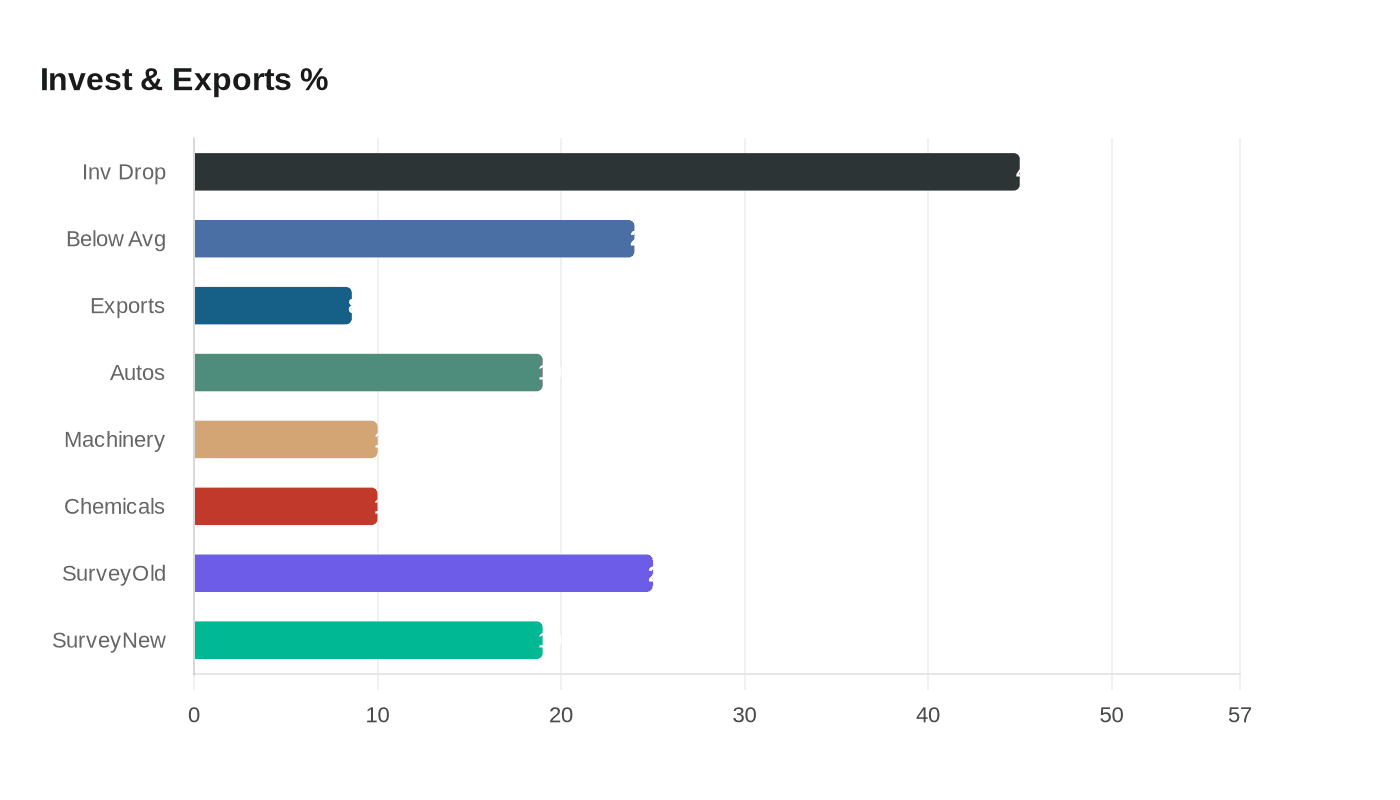
German direct investment into the United States dropped sharply after President Trump returned to the White House, according to a new analysis by the German Economic Institute (IW). Between February and November 2025, German firms invested about €10.2 billion in the U.S., down from nearly €19 billion in the same months a year earlier, a fall of roughly 45%. Even against the 2015–2024 average for the same period, about €13.4 billion, the 2025 figure was more than 24% lower, underscoring a meaningful retreat beyond ordinary volatility.
The IW linked the pullback to heightened trade-policy uncertainty and higher U.S. tariffs that have changed the economics of cross-border investment. Exports to the United States also weakened: German shipments fell 8.6% between February and October 2025 versus the prior year, the steepest decline since 2010 outside the Covid-19 shock. Key industrial categories bore the brunt; autos and parts exports plunged nearly 19%, machinery slipped about 10%, and chemical products fell by more than 10%.
The institute emphasized that multinational investment planning is multi-year, and sudden policy shifts make firms reluctant to commit capital. IW researcher Samina Sultan said companies had adopted a "wait-and-see" approach since Trump’s return, delaying or scaling back projects until the policy environment clarified. A Deloitte survey of 216 German financial executives cited by the IW showed the share considering investments in North America fell to 19% from 25%, signaling a broader reorientation toward caution or domestic priorities.
Firms also faced rising compliance costs tied to new trade rules. Machine builders complained that metal content and origin documentation must be produced for each component, "virtually down to the last screw," a requirement that raises administrative burdens and export costs. Higher tariffs on inputs and finished goods have also increased U.S. input prices, the IW argued, contributing to sustained inflation above the Federal Reserve’s 2% goal and complicating cost pass-through for exporters.
Tariff incidence and scope remain a central business concern. Coverage of policy actions in Washington cited steep levies on steel and aluminum and higher general tariffs on some EU exports; companies report being squeezed by higher input costs even where specific exemptions exist. Several large German firms responded to inquiries by stressing compliance: Deutsche Lufthansa, Mercedes, BASF and T-Mobile US said they "comply with applicable laws and regulatory frameworks in their markets."
Market implications are immediate and strategic. A sustained drop in German foreign direct investment could slow high-value manufacturing projects, constrain technology transfers, and erode supply-chain integration that has underpinned decades of transatlantic trade. For Germany, weaker exports and inward investment risk job and revenue losses in capital-intensive sectors. For the United States, reduced German capital inflows could mean fewer advanced manufacturing facilities and lost productivity gains.
The IW cautioned that direct investment flows are volatile and that a single cycle does not prove a permanent shift. Nonetheless, the decline against a ten-year baseline suggests that policy uncertainty can materially alter investment patterns. Restoring confidence would likely require clearer, more stable trade rules and tariff relief to rebalance incentives for cross-border capital allocation and protect long-term transatlantic industrial cooperation.
This article was produced by Prism’s automated news system from verified source data, official records, and press releases, then run through automated quality and moderation checks before publishing. The system is built and supervised by the people who set the standards it runs under. Read our full AI policy.
Did this article answer your question?