Nidec warns of up to ¥250 billion in charges after accounting probe forces leadership exits
Nidec said an independent committee found widespread accounting lapses and warned of up to ¥250 billion ($1.6B) in impairment charges, prompting executive exits and a dividend halt.
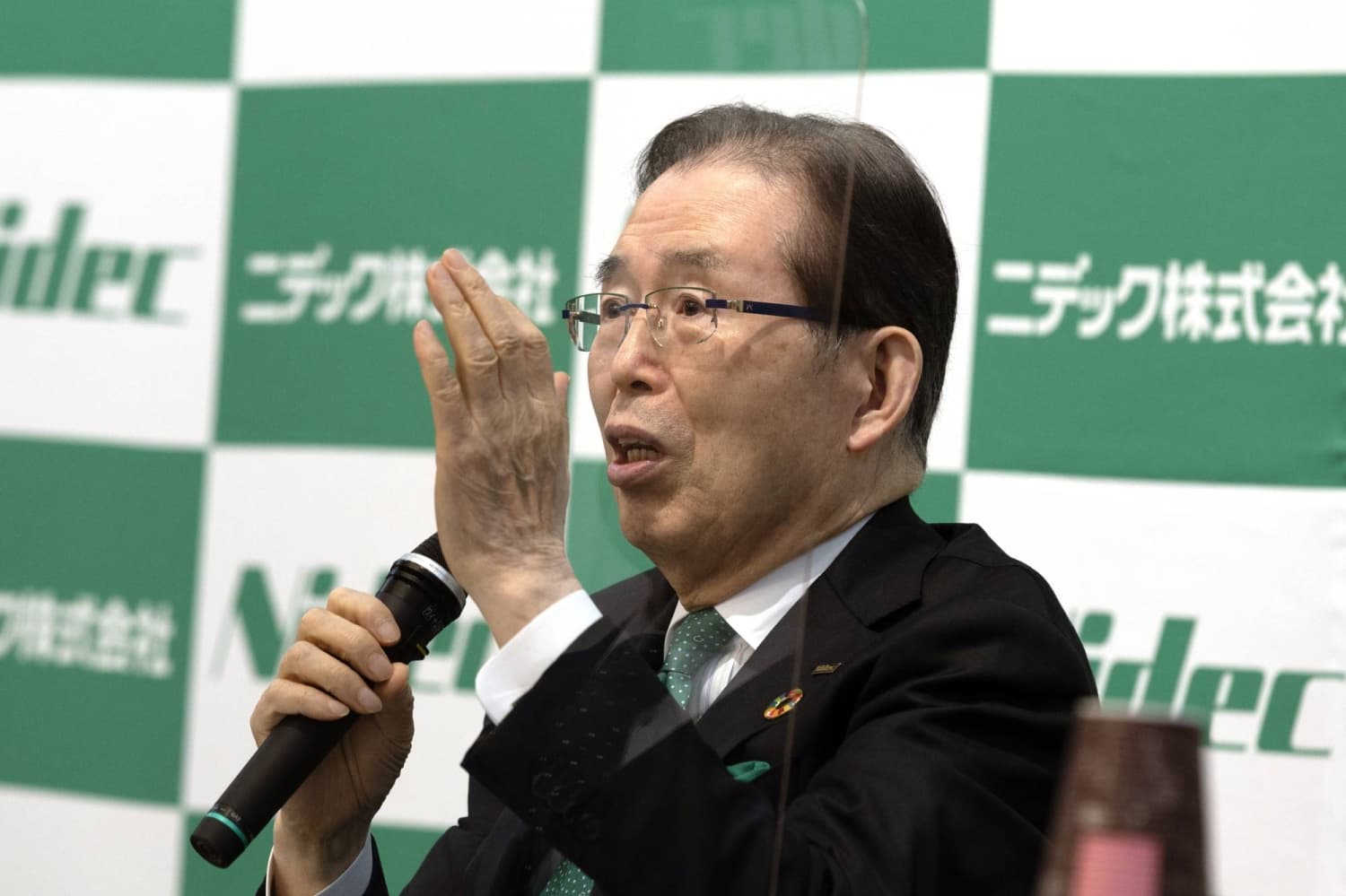
Nidec Corp. warned it may record up to ¥250 billion (about $1.6 billion) in impairment and writedown charges after an independent third‑party committee concluded that widespread accounting improprieties were used to hit performance targets. The committee's report, released March 3, found that founder Shigenobu Nagamori had applied “excessive pressure to meet performance targets,” that many business units relied on “creative accounting” to meet goals, and that the conclusion he condoned some improper accounting “cannot be avoided,” even though investigators found no evidence he “instructed or directed” the misconduct.
The findings mark a sharp escalation in a crisis that began when the company disclosed lapses at an Italian unit in June, forcing a delay in its financial filings. The firm established the independent committee in September to probe possible involvement by management across multiple jurisdictions, including operations in China. Nagamori, who left Nidec's board in December and remains the company's largest individual shareholder, resigned last week as chairman emeritus and issued a written apology for the “suspected inappropriate accounting practices.”
Nidec said it will set up a separate internal investigation to determine whether current or former executives bear legal responsibility and will consider correcting past fiscal years' statements. The company also warned that additional impairment losses on goodwill and fixed assets may be required as accounting errors are corrected.
The committee provided a provisional calculation that its findings would reduce consolidated net assets by about ¥139.7 billion as of the end of the first quarter of fiscal 2025. The firm reported preliminary net sales for the third quarter ended Dec. 31 of ¥6.777 billion, up 3.9% from ¥6.522 billion a year earlier, but said the board has resolved not to pay a year‑end dividend with a March 31, 2026 record date in light of the findings.

Leadership changes have already followed the report. Several senior executives have left or been suspended: Nagamori resigned as chairman emeritus, the company said other top executives resigned, and First Senior Vice President Valter Taranzano has been suspended. The board resignation of Chairman Hiroshi Kobe and “certain other officials” was also announced. Regulators and investors are watching governance fallout closely; the Tokyo Stock Exchange had earlier placed Nidec on a special alert during the probe.
Market reaction has been volatile. The stock plunged earlier in the inquiry, at one point down about 22% from prior levels, and then traded around ¥2,440 after the committee released its report, a move that represented roughly a 7.7% uptick on that session’s trading level. Credit‑market watchers warn the accounting revisions and the dividend suspension could pressure borrowing costs and invite ratings reviews.
For global automakers and industrial customers that rely on Nidec’s precision motors, the immediate risk is reputational and financial uncertainty: potential balance‑sheet writeoffs and a leadership shakeup could slow supplier investments and management decisions. More broadly, the episode underscores governance risks at rapidly expanding multinational manufacturers whose overseas growth can strain internal controls. Next steps for investors and regulators include the separate legal investigation, formal restatements if required, and any follow‑up actions by market authorities or credit-rating agencies.
Know something we missed? Have a correction or additional information?
Submit a Tip