IMF raises UK growth forecast, warns political turmoil could hurt confidence
The IMF lifted its UK growth forecast to 1.0%, but said Westminster turmoil could still weaken confidence, investment and borrowing costs.
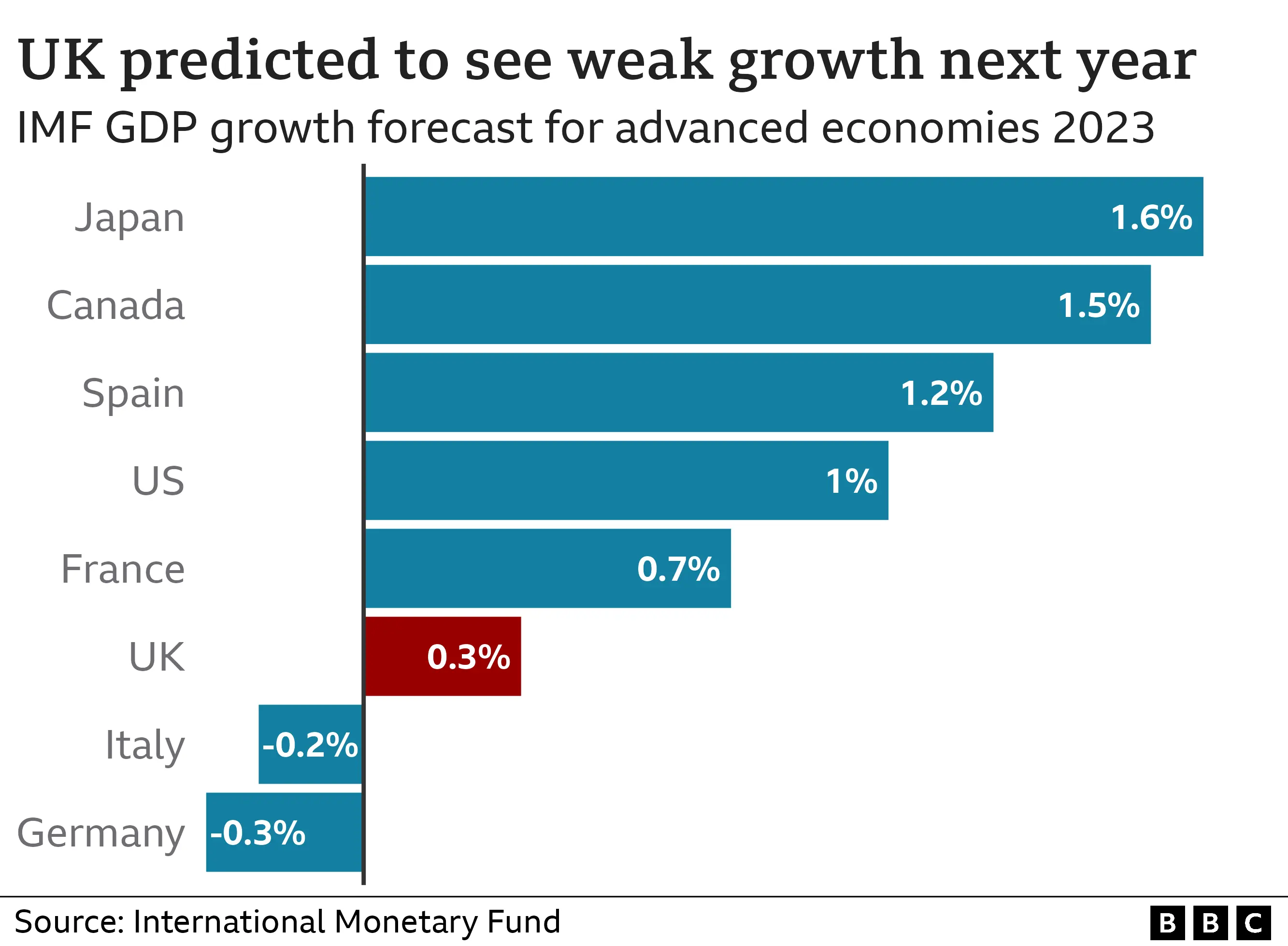
The International Monetary Fund lifted its UK growth forecast for 2026 to 1.0% from 0.8%, but paired the upgrade with a warning that political turmoil in Westminster could still sap confidence, spending and investment.
The Fund’s latest Article IV mission statement said the UK economy grew at a potential rate of 1.4% in 2025 despite trade tensions and volatile global financial conditions. It now expects higher energy prices, tighter financial conditions and elevated uncertainty to weigh on consumption and investment this year, even as the economy enters 2026 with slightly firmer momentum than the IMF had previously assumed.

That warning matters because uncertainty does not stay confined to Whitehall. When households worry about jobs, taxes or prices, they delay big purchases. When companies see policy drift, they postpone hiring, factory upgrades and other capital spending. And when investors become uneasy about the government’s direction, gilt markets can come under pressure, lifting borrowing costs for HM Treasury and narrowing the room for fiscal manoeuvre. The IMF’s message was that a better growth number can be quickly offset if political instability undermines the decisions that drive demand.
Inflation is also set to remain a drag on real incomes and rate-sensitive spending. The IMF said UK headline inflation is expected to peak just below 4% at the end of 2026 before returning to target by the end of 2027. That path suggests the squeeze on households will not disappear quickly, especially if higher energy costs and tight financing conditions keep consumer spending subdued.

For Chancellor Rachel Reeves, the IMF’s broader fiscal message was just as pointed. The Fund said the UK authorities’ medium-term fiscal strategy strikes a good balance between deficit reduction and growth-friendly spending, and added that recent changes to the fiscal framework strengthen policy stability and credibility. But it also said staying the course on deficit reduction will matter because of market pressures and elevated implementation risks. Separate reporting on the review said the Fund sees little room for broad-based tax cuts or spending increases without unsettling markets.

The IMF also sketched the kind of reforms it thinks could support longer-term growth: planning, skills, innovation, trade diversification and energy security. The economic case is clear enough. Britain may be growing a little faster than expected, but the Fund is warning that political instability could still turn a modest upgrade into a fragile one.
This article was produced by Prism’s automated news system from verified source data, official records, and press releases, then run through automated quality and moderation checks before publishing. The system is built and supervised by the people who set the standards it runs under. Read our full AI policy.
Did this article answer your question?