Germany approves 2027 budget figures, boosts borrowing, defense spending sharply
Berlin set 2027 borrowing at €196.5 billion while defense spending jumps to €105.8 billion, signaling a bigger fiscal bet on security and infrastructure.
Germany opened the next stage of its budget fight with a plan built on far more borrowing and a sharp rise in defense outlays, setting up a test of whether Berlin can modernize the Bundeswehr, support Ukraine and still repair its domestic economy. The German government approved key figures for the 2027 federal budget on April 29, with total borrowing set at 196.5 billion euros, about $229 billion.
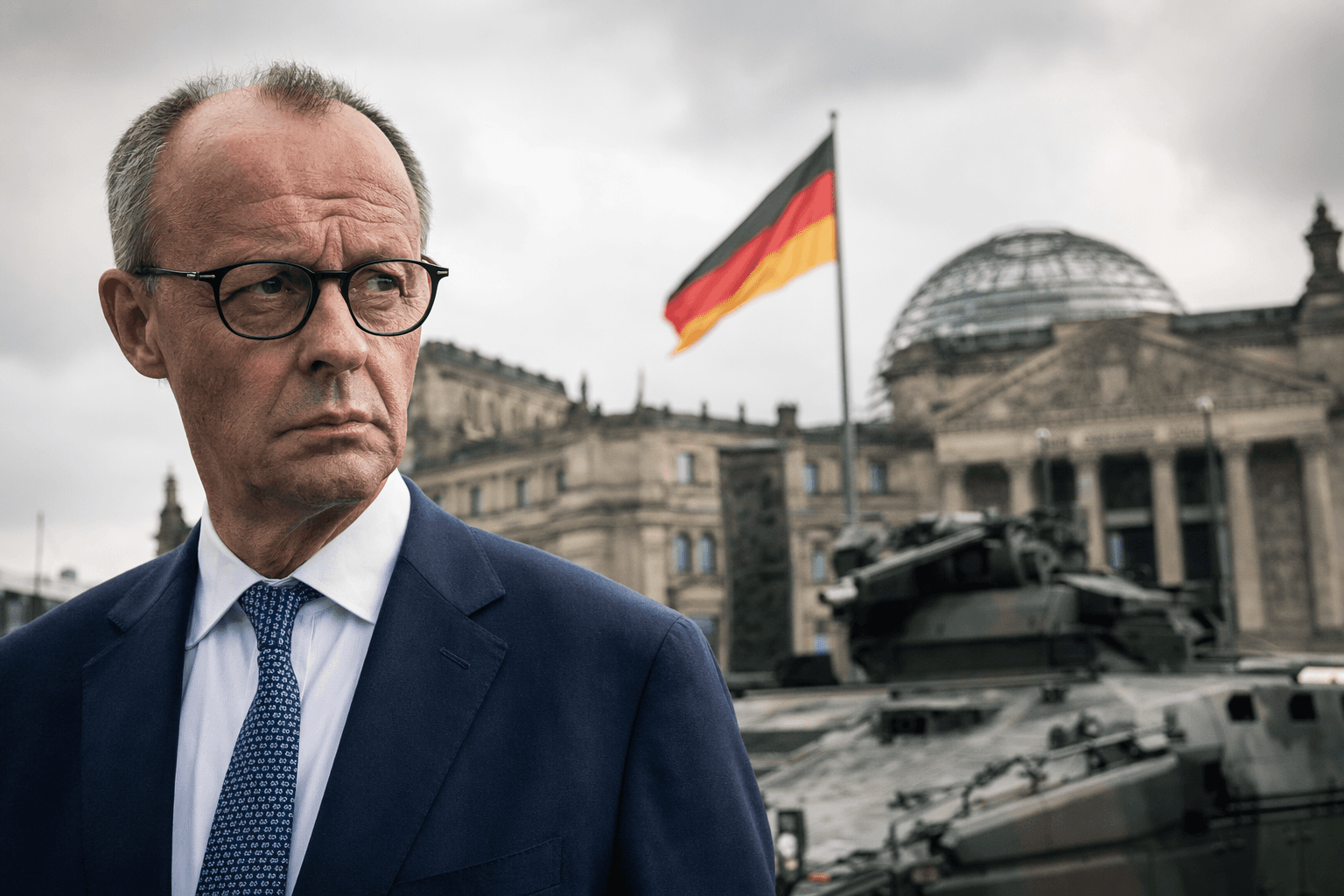
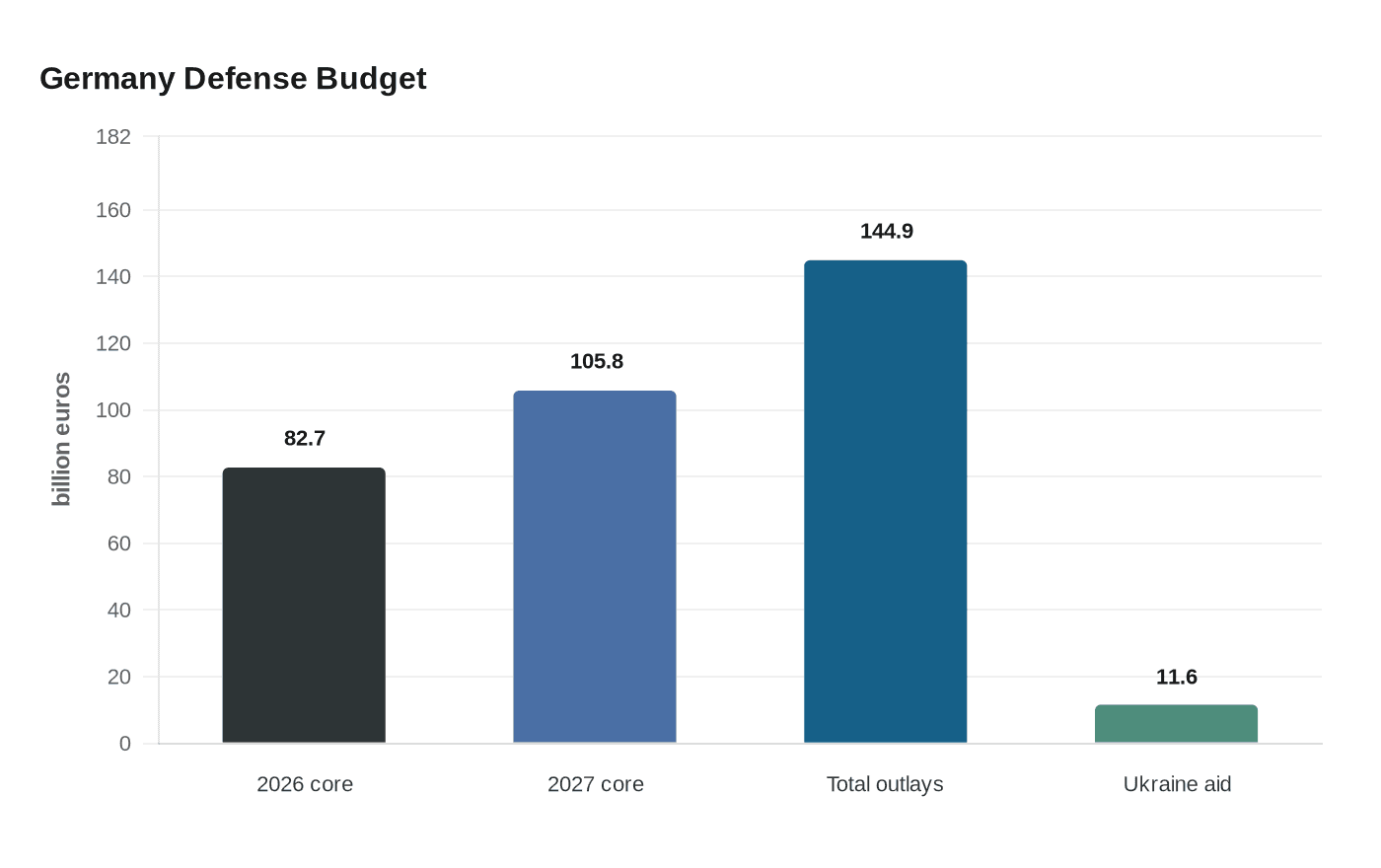
Defense is the clearest winner. Core military spending is projected to rise to 105.8 billion euros in 2027 from 82.7 billion euros in the 2026 core budget, and total military outlays could reach 144.9 billion euros once special funds and Ukraine aid are included. Support for Kyiv is set at 11.6 billion euros. Chancellor Friedrich Merz told reporters, "Developments over the past year, including in Iran in recent months, show how important investments in our defence capability are." The message was clear: Berlin sees rearmament as a long-term obligation, not a temporary surge.
The scale of the borrowing also underlines how far Germany has moved from its earlier fiscal caution. Borrowing stood at 50.5 billion euros in 2024 under the previous government, a fraction of the 2027 plan. The new figures point to a government trying to finance defense modernization and infrastructure renewal at the same time, even as roads, bridges and rail lines continue to draw complaints about years of underinvestment. That combination makes the budget more than a spending document; it is a statement about how Germany intends to balance domestic promises with NATO expectations and a more volatile security environment.

The budget is still moving through a multi-step process. A first draft is due in July, parliamentary budget talks are scheduled for September, and final approval is expected by the end of the year. That timetable leaves room for coalition bargaining and economic revisions, but the broad direction is already set. Berlin is preparing to borrow heavily, spend more on defense than ever before and keep Ukraine financing at a high level, even as it tries to show voters that infrastructure repair will not be pushed aside.
This is the fiscal tradeoff now defining Germany’s role in Europe: more money for guns, more money for public works, and a bigger debt burden to make both possible. For NATO allies, the 2027 figures signal a Germany willing to shoulder more of the alliance load. For the European Union, they add weight to the debate over whether the continent’s largest economy can loosen its budget stance without losing control of the long-term bill.
This article was produced by Prism’s automated news system from verified source data, official records, and press releases, then run through automated quality and moderation checks before publishing. The system is built and supervised by the people who set the standards it runs under. Read our full AI policy.
Did this article answer your question?