Iran vows to protect nuclear, missile capabilities amid Trump pressure
Iran’s leader vowed to shield nuclear and missile programs as 440.9 kilograms of 60% uranium remains under scrutiny, hardening the standoff with Trump.
Iran’s supreme leader sharpened the confrontation with Washington by declaring the Islamic Republic would protect its “nuclear and missile capabilities” as a national asset, signaling that the country’s most sensitive programs remain off-limits even as President Donald Trump presses for a broader deal.
Ayatollah Mojtaba Khamenei’s written statement, read Thursday on Iranian state television, framed those capabilities as part of Iran’s core deterrent after the war that began on Feb. 28, 2026. He said the United States had been defeated and that its only place in the Persian Gulf was “at the bottom of its waters,” a line that left little room for compromise and tied Iran’s military posture directly to the regional balance of power.
The timing matters. Trump has sought to curb Iran’s nuclear and missile programs through airstrikes and through a wider agreement aimed at locking in the shaky ceasefire that followed the war. Khamenei’s statement instead drew a red line around both programs, making clear that Tehran views them not as bargaining chips but as strategic assets. That narrows the diplomatic space just as Washington is trying to keep escalation contained.
The nuclear issue is especially fraught because the International Atomic Energy Agency has said the majority of Iran’s highly enriched uranium is likely still at the Isfahan nuclear complex. The agency has reported that Iran possessed 440.9 kilograms of uranium enriched to 60% purity, with roughly 200 kilograms believed to be stored in tunnels at Isfahan. That level is far closer to weapons-grade enrichment, which is 90%, than to civilian reactor fuel, and Iran remains obligated under the Nuclear Nonproliferation Treaty to open its facilities to inspection.
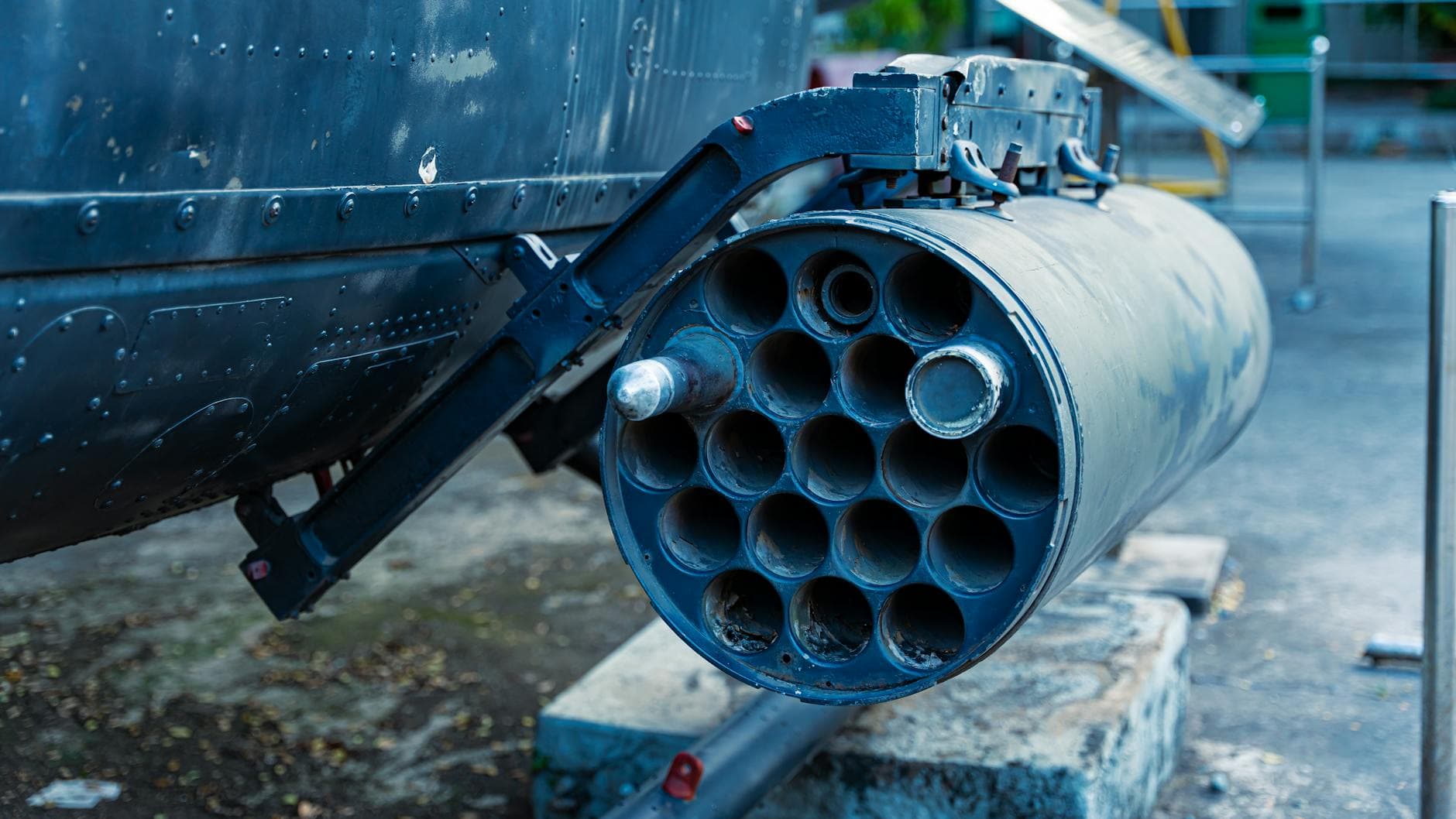
The missile program carries its own political charge. Iran’s leaders have long treated it as non-negotiable, and past statements from the Revolutionary Guard tied the upper limit of ballistic missile range to 2,000 kilometers, or 1,240 miles. By putting the missile force in the same category as the nuclear program, Khamenei signaled that Tehran sees both as pillars of deterrence, not items for concession.
The standoff is landing in Washington as the U.S. Senate has repeatedly failed to advance an Iran War Powers Resolution, a sign that lawmakers remain divided over how far the United States should go. With Iran’s uranium stockpile still under scrutiny and its leadership openly defying Trump, the next phase of diplomacy now looks narrower, more brittle and far more dependent on deterrence than on trust.
This article was produced by Prism’s automated news system from verified source data, official records, and press releases, then run through automated quality and moderation checks before publishing. The system is built and supervised by the people who set the standards it runs under. Read our full AI policy.
Did this article answer your question?