U.S.-Iran war drives gas to $4.18 a gallon, costs may keep rising
U.S. gas prices hit $4.18 a gallon as the Iran conflict widened, and analysts warn months of pain if Strait of Hormuz traffic stays disrupted.
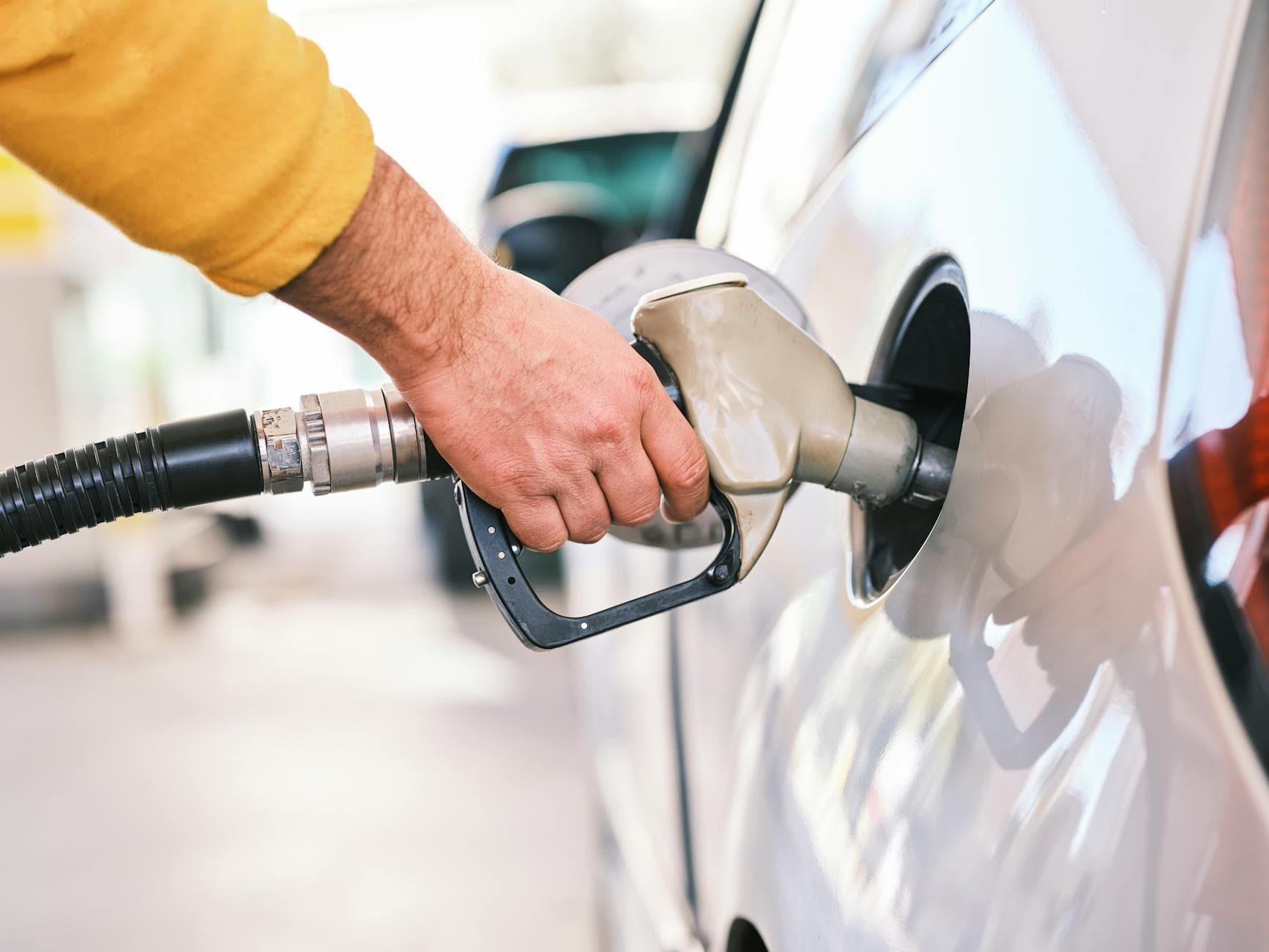
Drivers across the United States are now paying $4.18 a gallon on average, and the surge has made gasoline one of the first visible home-front costs of the U.S.-Iran war. The national price, reported by AAA, was about $1.20 higher than when the conflict began on February 28, and it marked the highest level since the fighting started.
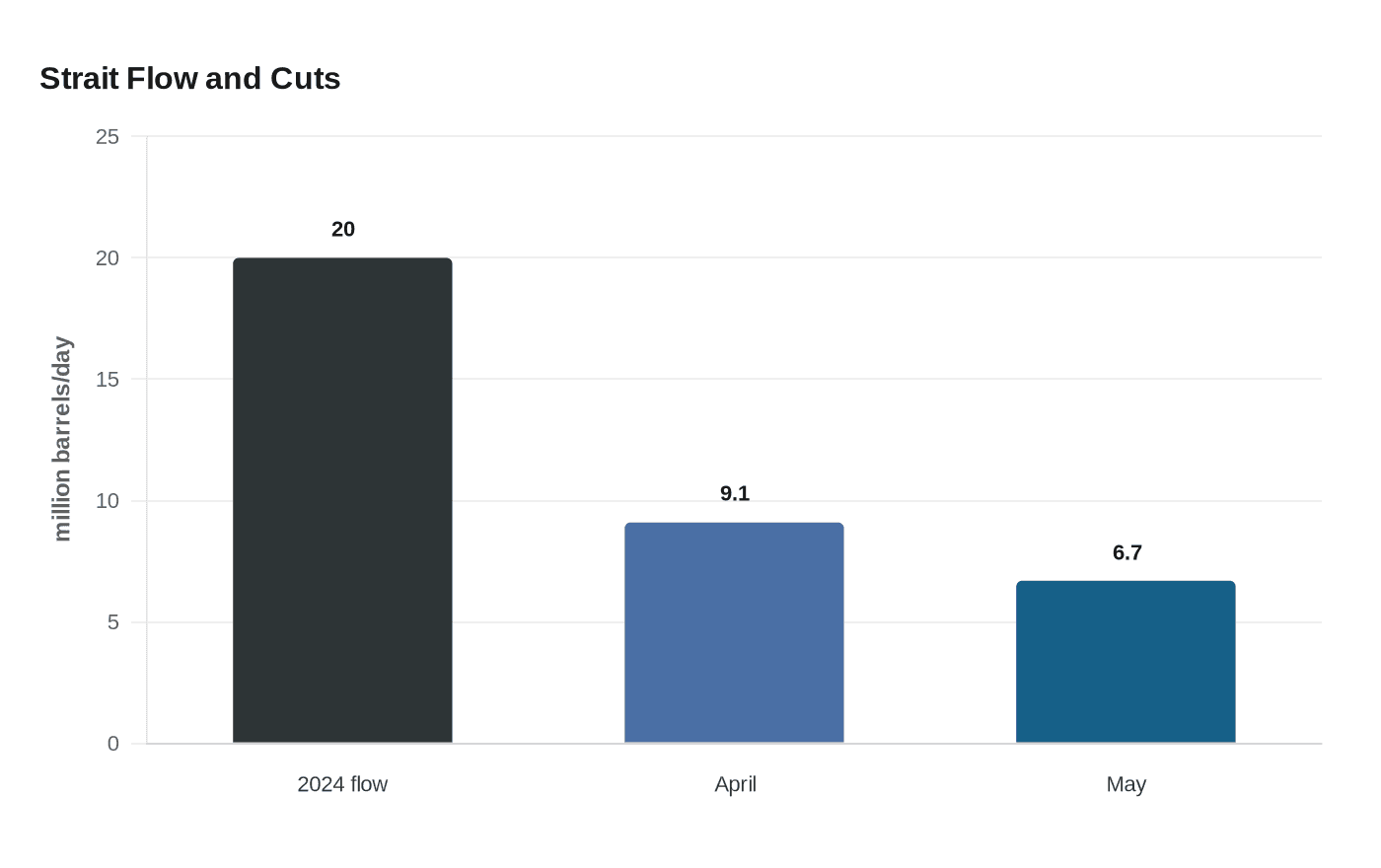
The pressure on consumers may not stop at the pump. The U.S. Energy Information Administration says the Strait of Hormuz carried about 20 million barrels a day in 2024, roughly one-fifth of global petroleum liquids consumption and more than one-quarter of seaborne oil trade. That makes it the world’s most important oil chokepoint, and even a temporary disruption can slow deliveries, raise shipping costs, and push up prices across world energy markets.
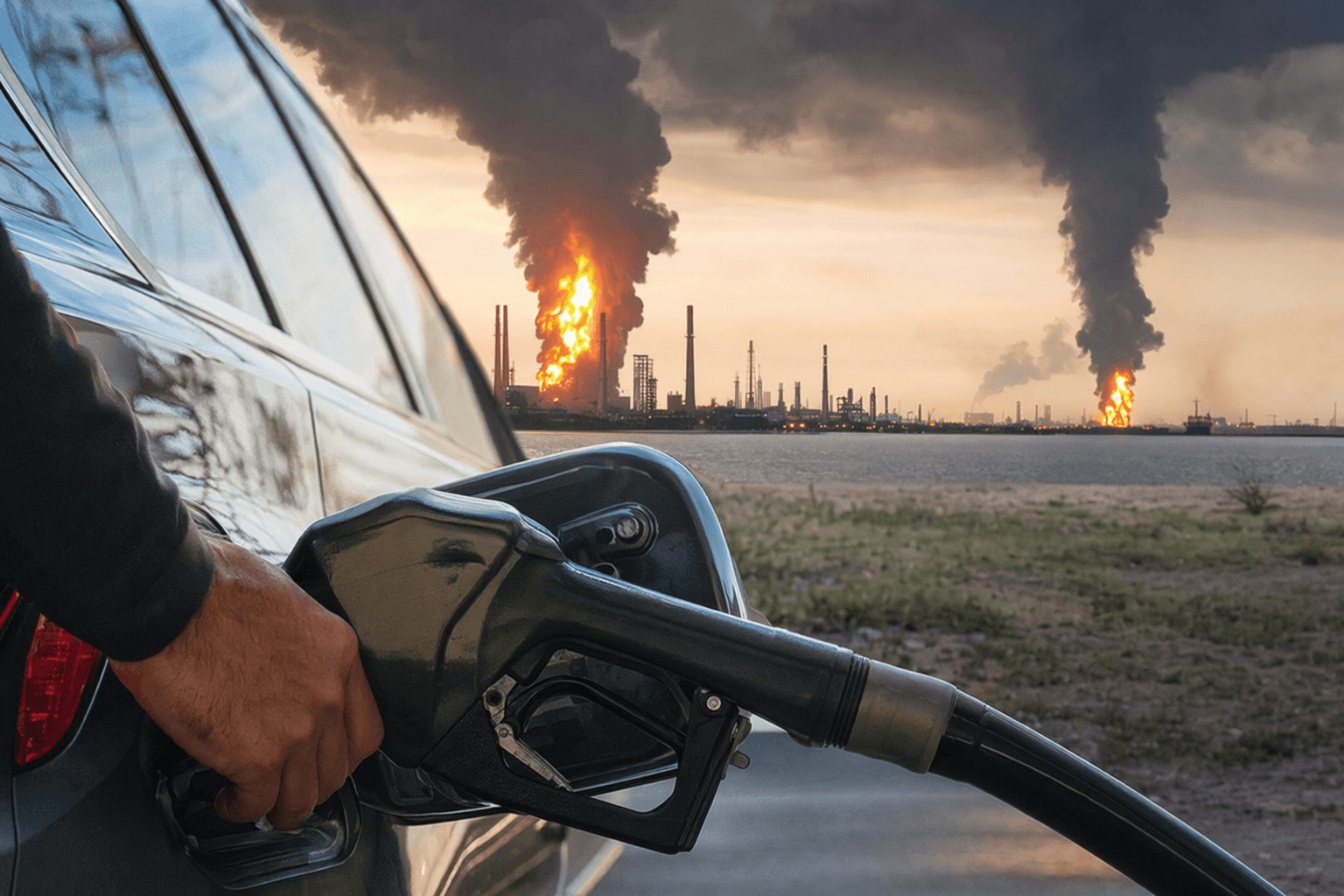
The EIA’s April 7 forecast assumed the conflict would not last beyond April and that tanker traffic through the strait would gradually resume. Under those assumptions, it projected production shut-ins of 9.1 million barrels a day in April, easing to 6.7 million barrels a day in May. If that timeline slips, economists and energy analysts warn that fuel costs could stay elevated for months, especially if ships keep avoiding the Persian Gulf, Gulf of Oman, and Arabian Sea corridor.
The military and diplomatic risks are rising alongside the fuel bill. President Donald Trump has warned that the United States could do a lot about the strait and has threatened Iran if it blocks the waterway. CBS News also reported that Trump previewed possible strikes on bridges and power plants, sharpening fears that retaliation could widen the conflict rather than contain it. Iran, meanwhile, has offered to reopen the Strait of Hormuz if the United States drops its blockade of Iranian ports and vessels, but the proposal did not include concessions on Iran’s nuclear program, which Trump says must be dismantled before any deal.
For consumers, the next moves matter. A prolonged standoff would likely keep gas above $4, strain heating oil markets, and lift prices for petrochemicals used in more than 6,000 products. A sharp retaliation could send crude and shipping costs higher still. A de-escalation could ease the immediate shock, but the damage is already spreading into inflation, consumer sentiment, and recession fears.
Those pressures are now reaching Capitol Hill. Defense Secretary Pete Hegseth faced questions from lawmakers about the war’s scope and cost, and reporting tied to the Pentagon placed the bill at about $25 billion so far, mostly for munitions. With energy markets still exposed and both sides defiant, the price at the pump has become only the first measure of a wider economic and security test.
This article was produced by Prism’s automated news system from verified source data, official records, and press releases, then run through automated quality and moderation checks before publishing. The system is built and supervised by the people who set the standards it runs under. Read our full AI policy.
Did this article answer your question?