Trump weighs months-long Iran port blockade with oil companies, markets reel
Markets jolted as Trump discussed a months-long blockade of Iran’s ports, a move that could keep oil flowing through a chokepoint and price shocks alive.
Oil traders and shippers were jolted after Donald Trump discussed a possible months-long blockade of Iran’s ports with American oil companies, a move that would put the Strait of Hormuz, global crude supplies and consumer prices under direct strain. A White House official said the talks focused on keeping oil markets functioning if the pressure campaign dragged on, while also preserving enough leverage to force Tehran into a deal.
Trump used Truth Social to press the confrontation further, saying Iran should “get smart soon” and sign an agreement. The message landed as Brent crude rose almost 4% and hit a one-month high, a reminder that even the threat of a blockade can move markets fast. For refiners, shipping firms and import-dependent economies, the risk is not only higher prices but also the possibility of a prolonged planning shock that makes contracts, freight rates and fuel costs harder to pin down.
The danger is concentrated in one of the world’s most strategic waterways. Iranian authorities said they would keep disrupting traffic through the Strait of Hormuz while the country remained under threat, and ship-tracking data showed only six vessels crossing in a 24-hour period. Six Iranian oil tankers have also been forced back to Iran in recent days, underscoring how quickly a maritime standoff can slow trade from a trickle into a bottleneck. Tehran has warned of escalating military action if the blockade continues, raising the odds that a dispute over ports could spill into a broader regional crisis.
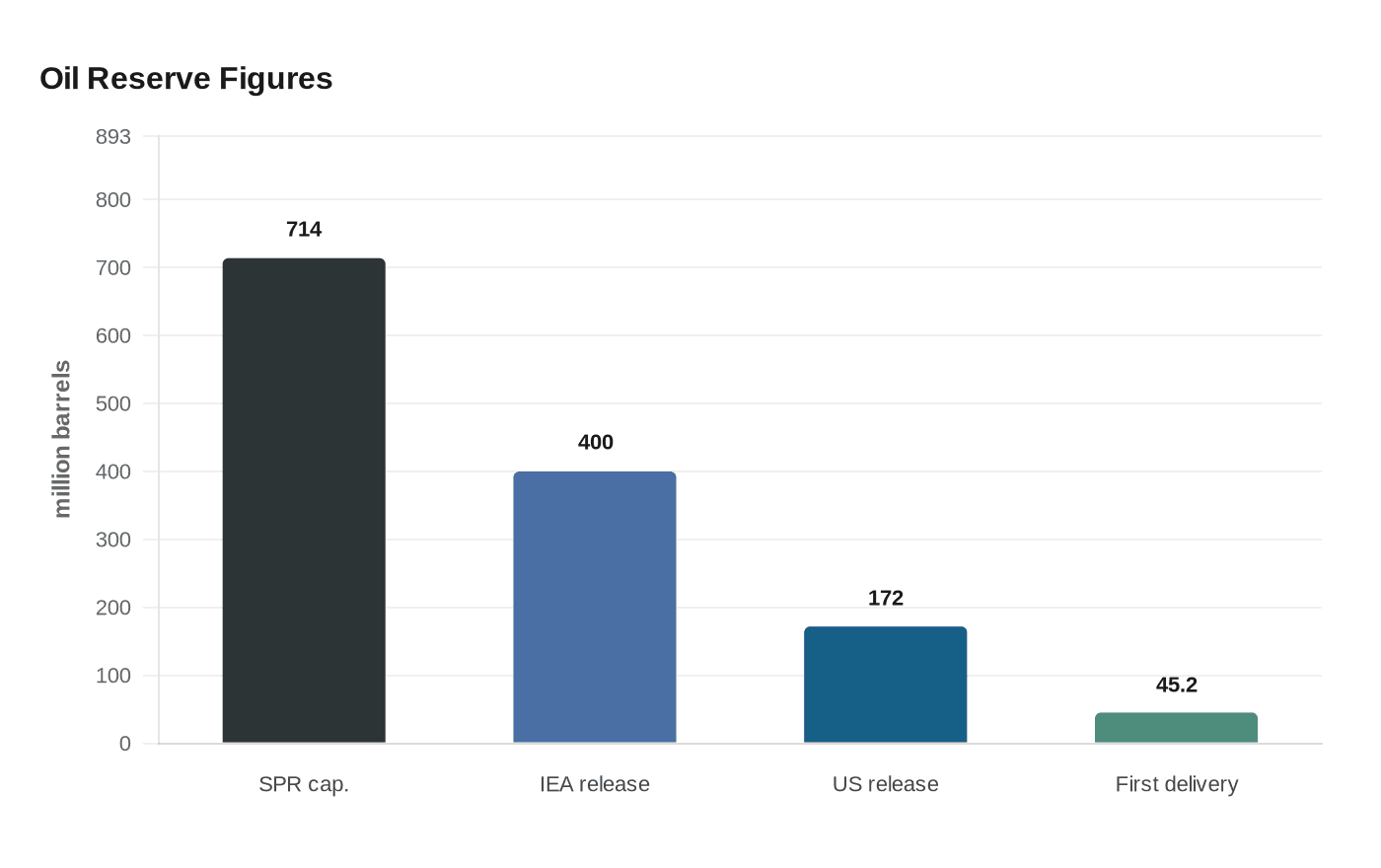
Washington has tried to prepare for the economic aftershocks. The U.S. Department of Energy says the Strategic Petroleum Reserve can hold 714 million barrels and can begin drawdown operations within 13 days of presidential direction. On March 11, the department said the United States would release 172 million barrels as part of a coordinated 400 million barrel International Energy Agency release, and on March 20 deliveries began for the first 45.2 million barrels. That cushion may help blunt a shock, but it cannot fully insulate consumers if crude stays elevated for months.
The pressure campaign is colliding with a deeper deadlock over Iran’s nuclear program. The International Atomic Energy Agency says Iran has 440.9 kilograms of uranium enriched to 60% purity, material that is a short technical step from weapons-grade levels, and officials believe much of it may still be at the Isfahan nuclear complex. Iran says its program is peaceful and wants recognition of its right to enrich uranium. At the same time, the rial has fallen to a record low of 1,810,000 per dollar, down nearly 15% in two days, showing how sanctions pressure, military risk and market panic are feeding each other in real time.
This article was produced by Prism’s automated news system from verified source data, official records, and press releases, then run through automated quality and moderation checks before publishing. The system is built and supervised by the people who set the standards it runs under. Read our full AI policy.
Did this article answer your question?