Brazilian Congress overrides Lula veto, slashes Bolsonaro prison sentence
Congress overrode Lula’s veto and moved to cut Jair Bolsonaro’s 27-year sentence, raising the stakes of Brazil’s reckoning with the January 8 assault on democracy.
Brazil’s Congress overrode President Luiz Inacio Lula da Silva’s veto and advanced a bill that could sharply reduce Jair Bolsonaro’s 27-year prison sentence, a move that deepens the political fight over how Brazil punishes attacks on democratic rule. The decision came as Lula already faced mounting resistance in the legislature and another bruising defeat in the Senate, where lawmakers rejected his Supreme Court nominee Jorge Messias by a 42-34 vote.
The measure, widely known in Brazil as the dosimetry bill, had passed Congress in December 2025 before Lula issued a full veto on January 8, 2026, the third anniversary of the riots that shook Brasília. That day, Bolsonaro supporters stormed and vandalized the Congress, the Supreme Court and the presidential palace after his election defeat. The bill would change how sentences are calculated and shorten the time some convicts must serve before moving to a less restrictive prison regime, with potential benefits for Bolsonaro and military personnel convicted in the coup plot.
For Lula, the override is more than a procedural loss. It highlights how fragile his governing coalition has become in a polarized Congress where Bolsonaro remains a powerful political force despite his conviction and imprisonment. Under Brazil’s constitutional rules, overturning a veto requires an absolute majority in both chambers, at least 257 votes in the Chamber of Deputies and 41 in the Senate. Senate President Davi Alcolumbre had set April 30 for the veto session, and the timing followed a day after the Senate rejected Messias, making Lula the first leader in more than a century to see a top court nominee turned down by lawmakers.
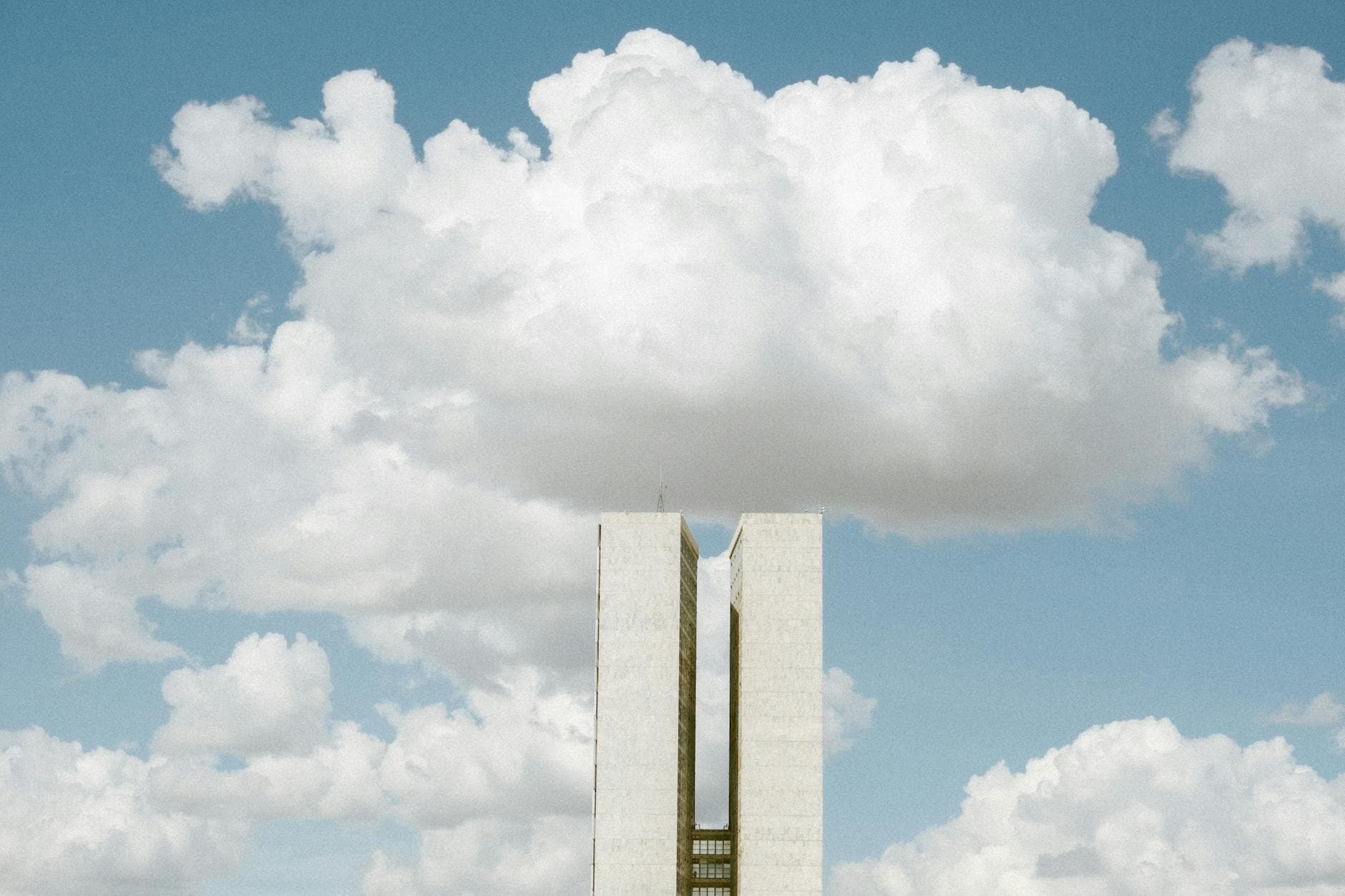
Supporters of the bill cast it as a sentencing adjustment. Critics see something far more consequential: a political rescue operation for a former president convicted of plotting a coup after losing the 2022 election. The fight matters well beyond Brazil because it tests whether an elected system will impose real costs for anti-democratic violence, or whether elite networks can blunt accountability once the immediate crisis passes.
Bolsonaro is currently under humanitarian house arrest because of health concerns, after surgeries related to the stabbing he suffered during the 2018 campaign and a recent bout of pneumonia. His legal position remains intertwined with Brazil’s institutional crisis, where punishment, deterrence and executive weakness are now being decided in plain view.
This article was produced by Prism’s automated news system from verified source data, official records, and press releases, then run through automated quality and moderation checks before publishing. The system is built and supervised by the people who set the standards it runs under. Read our full AI policy.
Did this article answer your question?