Germany Creates National Council to Return Colonial-Era Cultural Artefacts
Germany's new Coordination Council for Returns of Cultural Property replaces fragmented museum-by-museum restitutions with a single national authority covering artefacts and human remains.
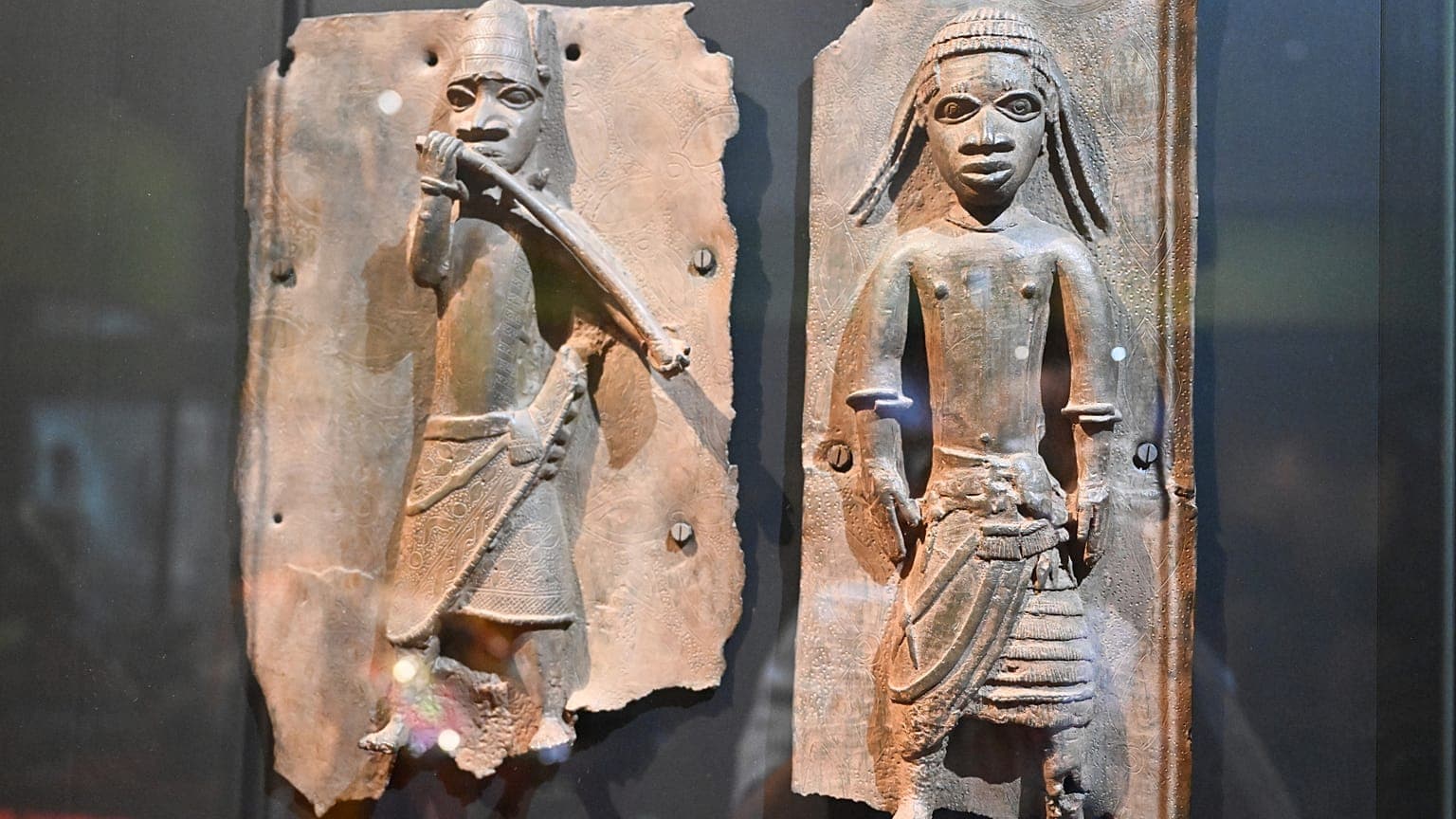
Germany's creation of the Coordination Council for Returns of Cultural Property and Human Remains from Colonial Contexts marks the country's most significant structural shift in restitution policy since a 2019 government-states agreement first triggered active efforts to return objects taken illegally from public collections during the colonial era.
The body will draw its membership from the central government, all 16 German states, and municipal authorities, replacing the fragmented museum-by-museum process that has defined repatriation decisions for the past decade. "The aim is to make returns processes as transparent as possible and to coordinate communication with international partners," the German Federal Foreign Office said in a statement released following a top-level meeting in Berlin last week. Culture minister Wolfram Weimer described the council as "an important step in responsibly handling cultural property and human remains from colonial contexts," a formulation that signals the mandate extends explicitly to human remains alongside artefacts.
The central unresolved question is authority. Officials have not clarified whether the council will issue binding rulings or operate in an advisory capacity, a distinction that will determine whether it can override individual museum boards, donor agreements, or state-level legal constraints. Details on membership, procedural rules, and formal legal remit are expected to follow as the plan moves toward implementation.
The council inherits a substantial but incomplete track record. In 2022, Germany became the first country to return items looted in the British raid on the Kingdom of Benin in 1897, with the government, states, and museums collectively transferring ownership of more than 1,100 Benin bronzes from five collections to Nigeria. In 2024, the Prussian Cultural Heritage Foundation transferred 23 objects to Namibia, a former German colony. Restitutions to Ghana and Tanzania, however, remain stalled at the ownership-transfer stage, illustrating the procedural bottlenecks the new body is designed to eliminate.
Several recipient nations have already built counterpart institutions in anticipation of a central German authority. Cameroon, Tanzania, Ghana, and Togo have each established state-level restitution structures specifically to engage with Western museums, and German officials noted that those bodies are eager to begin dialogue with a single coordinating counterpart rather than navigate separate negotiations with dozens of individual German institutions.
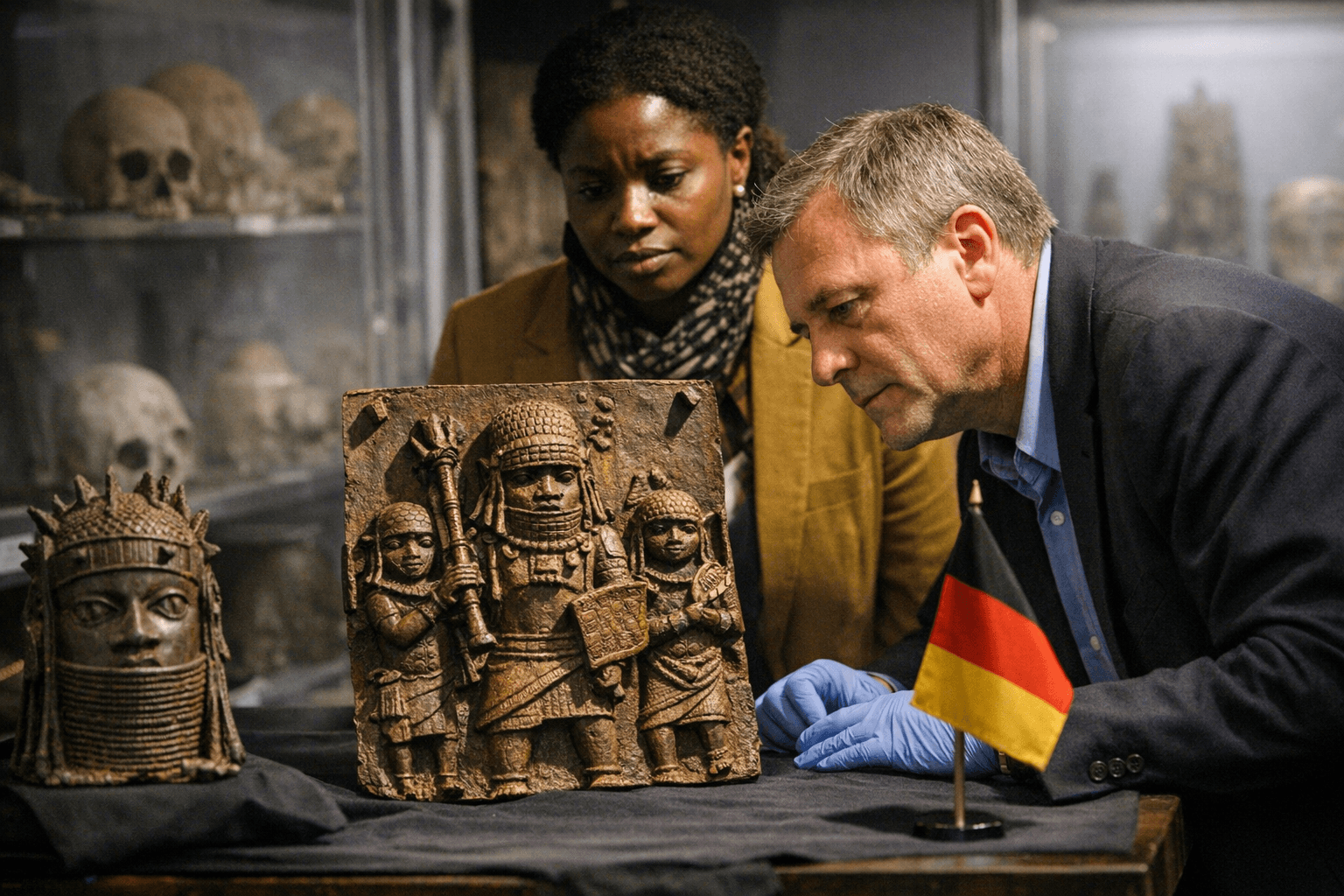
The broader European context underscores the timing. The Dutch Advisory Committee on the National Policy Framework for Colonial Collections, established in 2019, guided the repatriation of 288 objects to Indonesia in 2024, providing a governance model Germany can reference. France's Senate passed a proposal unanimously in January 2026 to formalize its own restitution process, though no permanent agency exists yet. A German council with genuine binding authority could set the continental benchmark.
Critics caution that institutional architecture alone cannot dissolve centuries of legal complexity. Property law, donor stipulations, and provenance gaps stretching back to the 19th century will continue to complicate specific claims regardless of who coordinates them. Museum professionals have also raised the practical stakes: safe transport, conservation planning, and durable access agreements between German institutions and recipient museums will require sustained resources on both sides of any return.
The council's creation signals that Germany now treats restitution as standing policy rather than a sequence of diplomatic gestures. For countries that have spent years navigating patchwork institutional arrangements, that shift in framework may ultimately matter as much as any single artefact returned.
This article was produced by Prism’s automated news system from verified source data, official records, and press releases, then run through automated quality and moderation checks before publishing. The system is built and supervised by the people who set the standards it runs under. Read our full AI policy.
Did this article answer your question?