Germany denies report of Klingbeil’s tax reform proposals
Berlin rejected claims that Lars Klingbeil had already tabled two tax-cut plans, keeping open a bigger fight over relief, revenue and who pays for it.
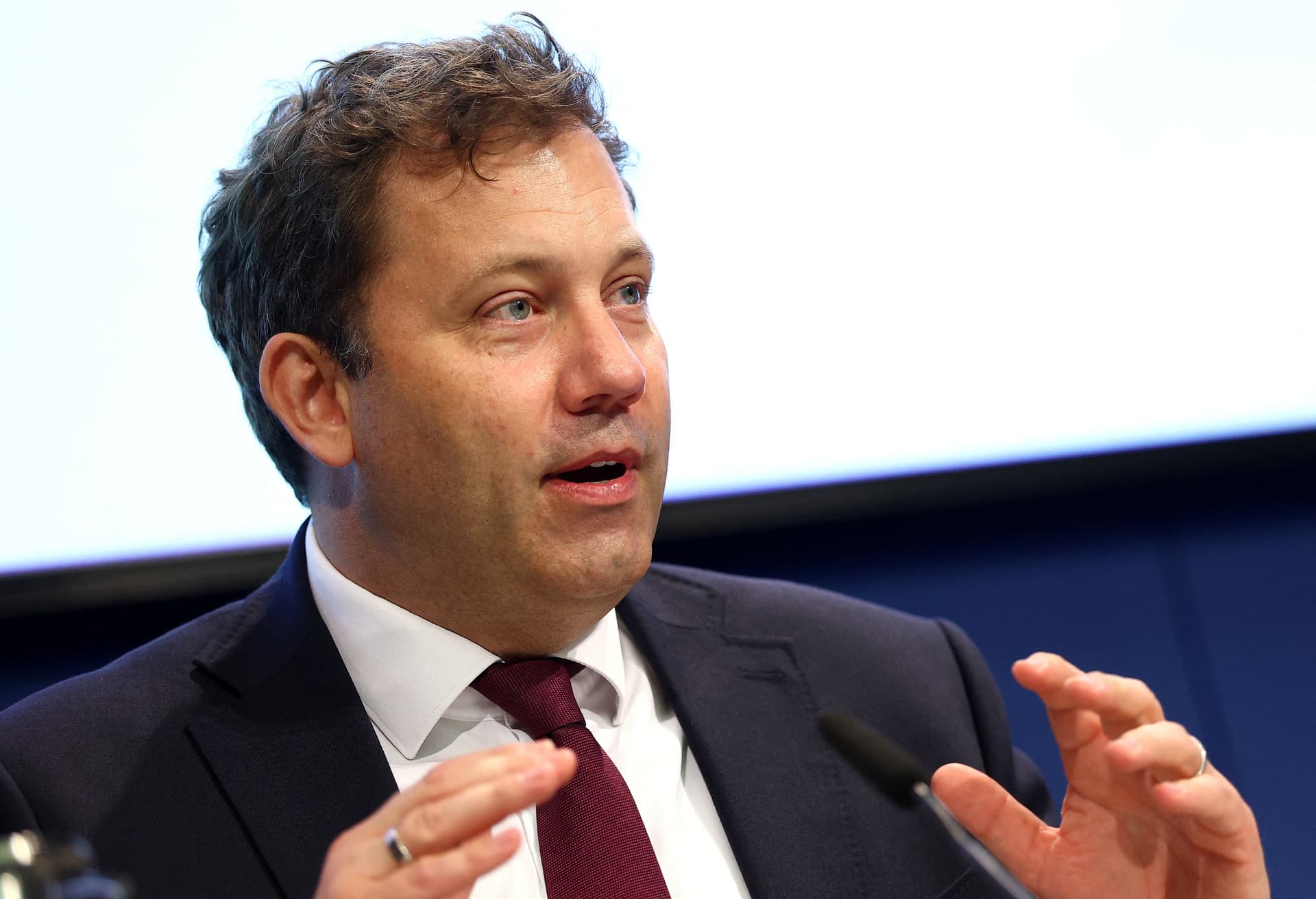
Germany’s finance ministry rejected a report that Finance Minister Lars Klingbeil had already presented coalition negotiators with two income tax reform proposals, pushing the dispute back into private talks and underscoring how unsettled the government’s tax debate remained. Spiegel had said the options would have delivered either about 10 billion euros or about 20 billion euros in relief, a split that immediately framed the argument as one over the scale of help, the financing and the political price of moving first.
The ministry said any income tax reform would focus on reducing the burden on low- and middle-income earners, while also making work and achievement more rewarding. Spiegel’s account suggested Klingbeil had considered raising the 45% so-called rich tax, which applies to single taxpayers with annual income of roughly 280,000 euros or more, and lifting the point at which the 42% top rate begins, now about 70,000 euros in taxable income. That combination would signal relief for workers lower down the scale while asking more from the highest earners to help pay for it.
The more expensive version would have gone further, adding an inheritance tax increase and other measures ahead of an expected ruling by Germany’s constitutional court. Even without a formal package, the leak and denial exposed a familiar coalition fault line: how to expand relief without weakening fiscal credibility or provoking partners who are wary of higher burdens on capital, estates and top incomes. The finance ministry said the coalition would continue discussing the details in private, a sign that the substance of the dispute had not been resolved, only moved out of view.
The political stakes are high because Klingbeil has already tied his own legitimacy to a tax overhaul. In February, he said he wanted to make the country fairer with an income tax reform and intended to present it this year. In March, he argued that Germany needed fundamental reforms and said 2026 would require courage. The latest denial does not end that agenda; it shows how tightly the government must balance household expectations for relief against the coalition’s need to preserve room to maneuver in Europe’s largest economy.
This article was produced by Prism’s automated news system from verified source data, official records, and press releases, then run through automated quality and moderation checks before publishing. The system is built and supervised by the people who set the standards it runs under. Read our full AI policy.
Did this article answer your question?


