Germany Downplays U.S. Troop Cut as NATO Fears Grow
Berlin says the loss of 5,000 troops was expected, but NATO allies now fear a wider U.S. pullback could widen Europe's deterrence gap.
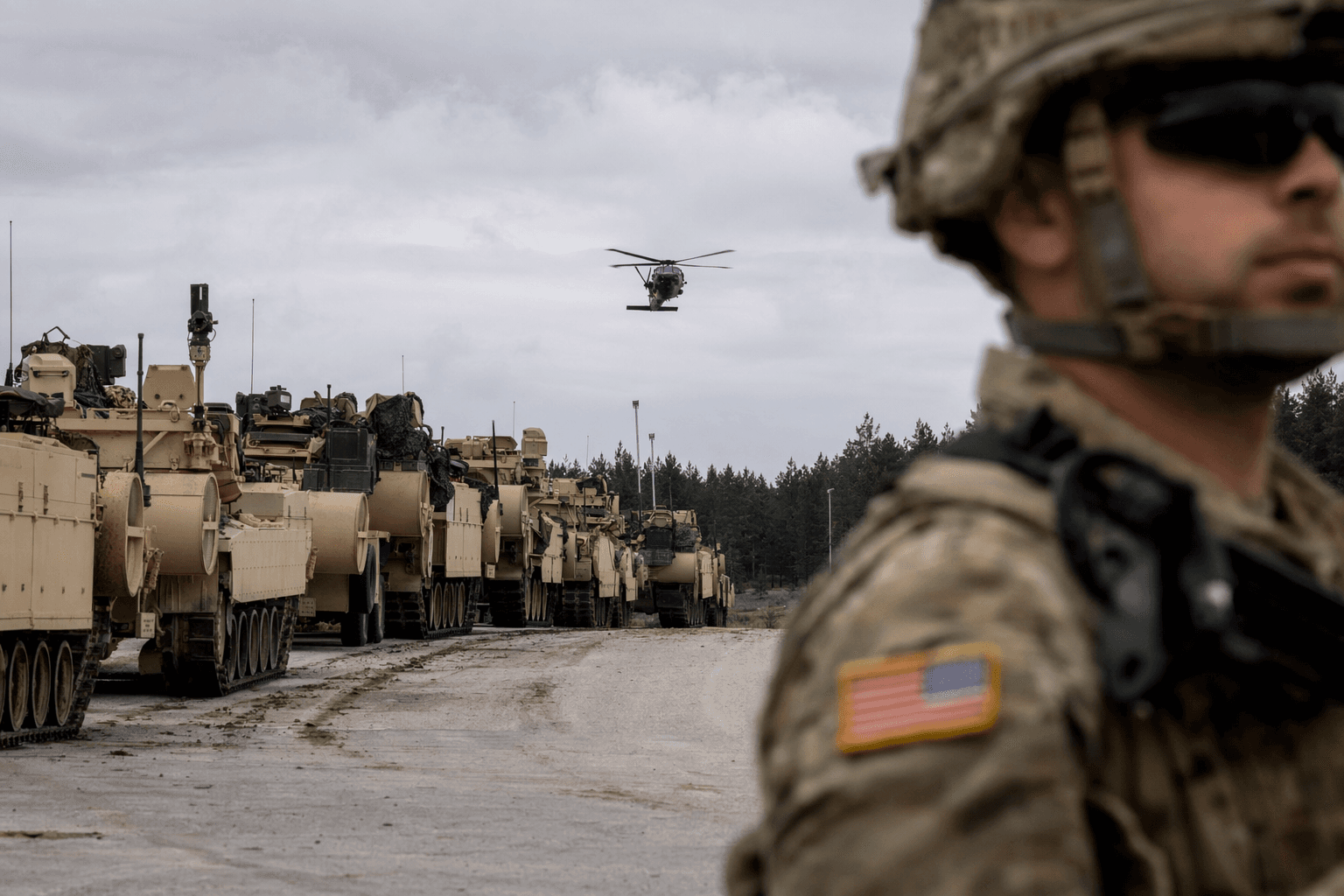
The sharpest question raised by the Pentagon’s plan to pull about 5,000 troops from Germany is not the number alone, but who covers the deterrence gap if those forces are not replaced quickly. Berlin has tried to project calm, yet NATO capitals are already bracing for the possibility that this is less a one-time adjustment than the start of a broader American retreat from Europe.
German Defense Minister Boris Pistorius said the drawdown was anticipated and urged Europe to strengthen its own defenses rather than treat the move as a surprise. He said the U.S. presence in Europe, especially in Germany, still serves both countries’ interests. That reassurance has done little to ease anxiety among allies, who see the decision as another sign that Washington’s security commitment may be less dependable than it once seemed.
The Pentagon said the withdrawal will be completed over the next six to 12 months, but it has not said which bases will be affected or whether the troops will go back to the United States or be reassigned elsewhere in Europe. That uncertainty matters. Without clarity on where the units come from and where they end up, European planners cannot easily judge whether the move weakens operational readiness around Ramstein Air Base and other key sites or merely reshuffles the same forces on the map.
Even after the cut, Germany would still host roughly 33,000 to almost 40,000 U.S. troops, depending on the estimate used, making it the largest host of American forces in Europe. But that larger footprint no longer masks the deeper concern now spreading through NATO: if 5,000 can be taken from Germany, what stops deeper reductions next in Italy or Spain?

President Donald Trump has said the United States is considering further cuts in Germany and has floated reductions in Italy and Spain as well, arguing that those countries have not done enough to support U.S. military operations. That has sharpened the sense in Europe that the latest move may be tied not just to force management, but to a political reassessment of the transatlantic bargain itself.
NATO said it is working with Washington to understand the details of the decision. For now, Germany is downplaying the impact. The wider alliance is asking a harder question: whether Europe can build enough military depth fast enough to compensate if the United States begins stepping back for good.
This article was produced by Prism’s automated news system from verified source data, official records, and press releases, then run through automated quality and moderation checks before publishing. The system is built and supervised by the people who set the standards it runs under. Read our full AI policy.
Did this article answer your question?


