Europe Faces Broader Trump Threats as Germany Troop Cuts Loom
Europe’s alarm goes well beyond 5,000 troops. Trump’s latest Germany cut has revived fears over NATO, Ukraine and the reliability of U.S. power.
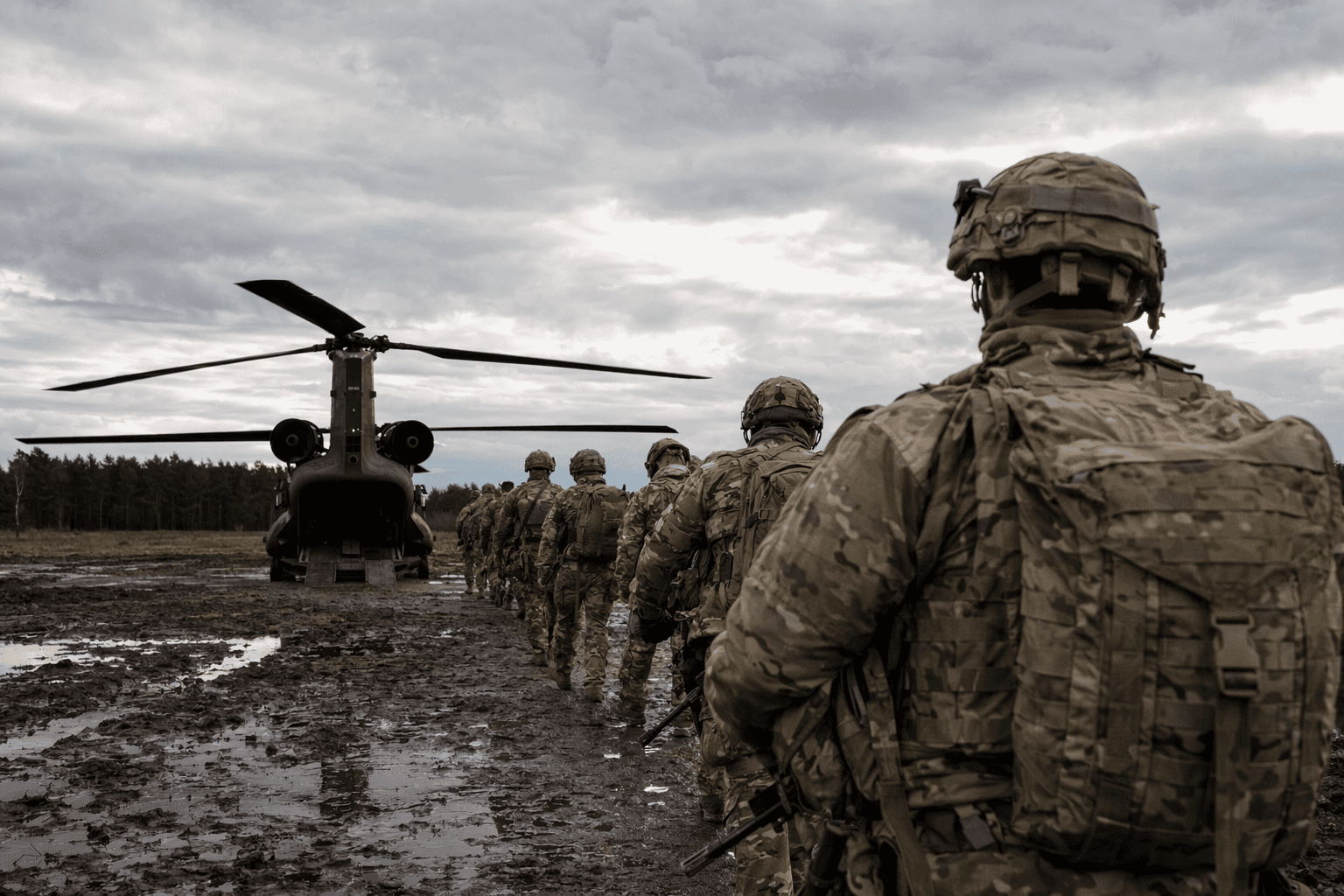
Donald Trump’s order to pull about 5,000 U.S. troops from Germany has reopened a far larger question in Europe: whether Washington can still be counted on as a strategic partner when the next crisis hits. The drawdown, announced in early May 2026 and expected to unfold over six to 12 months, has intensified worries in Berlin, Brussels and other capitals that the deeper Trump problem is not troop numbers alone, but uncertainty over NATO commitments, trade, Ukraine policy and the durability of American security guarantees.
Germany is more than a host nation. It holds major U.S. military infrastructure and serves as a central hub for deployments across Europe and beyond, which is why the cut resonates far beyond the bases themselves. NATO said it was working with the United States to understand the decision, while European officials and analysts warned that even a limited withdrawal can be read as a test of allied cohesion at a time when Russia’s threat remains central to the continent’s security planning.
The move also fits a pattern Trump has pressed since his first term. In 2020, he ordered a much larger reduction of about 9,500 troops from Germany, bringing the U.S. presence down from roughly 34,500 to about 25,000. The Pentagon’s July 2020 implementation plan called for about 6,400 troops to return to the United States and about 5,600 to be shifted to other NATO countries in Europe, a costly and logistically complex effort that then-Defense Secretary Mark Esper described as a force-posture adjustment rather than punishment.
That earlier dispute was never only about Germany. Trump repeatedly tied troop cuts to his criticism that allies were not spending enough on defense, especially Germany’s failure to meet NATO’s benchmark of 2% of gross domestic product. The latest move has revived the same burden-sharing fight, but with higher stakes: allies now have to plan for a possible second-term doctrine in which U.S. military presence, trade policy and support for Ukraine could all become more conditional.
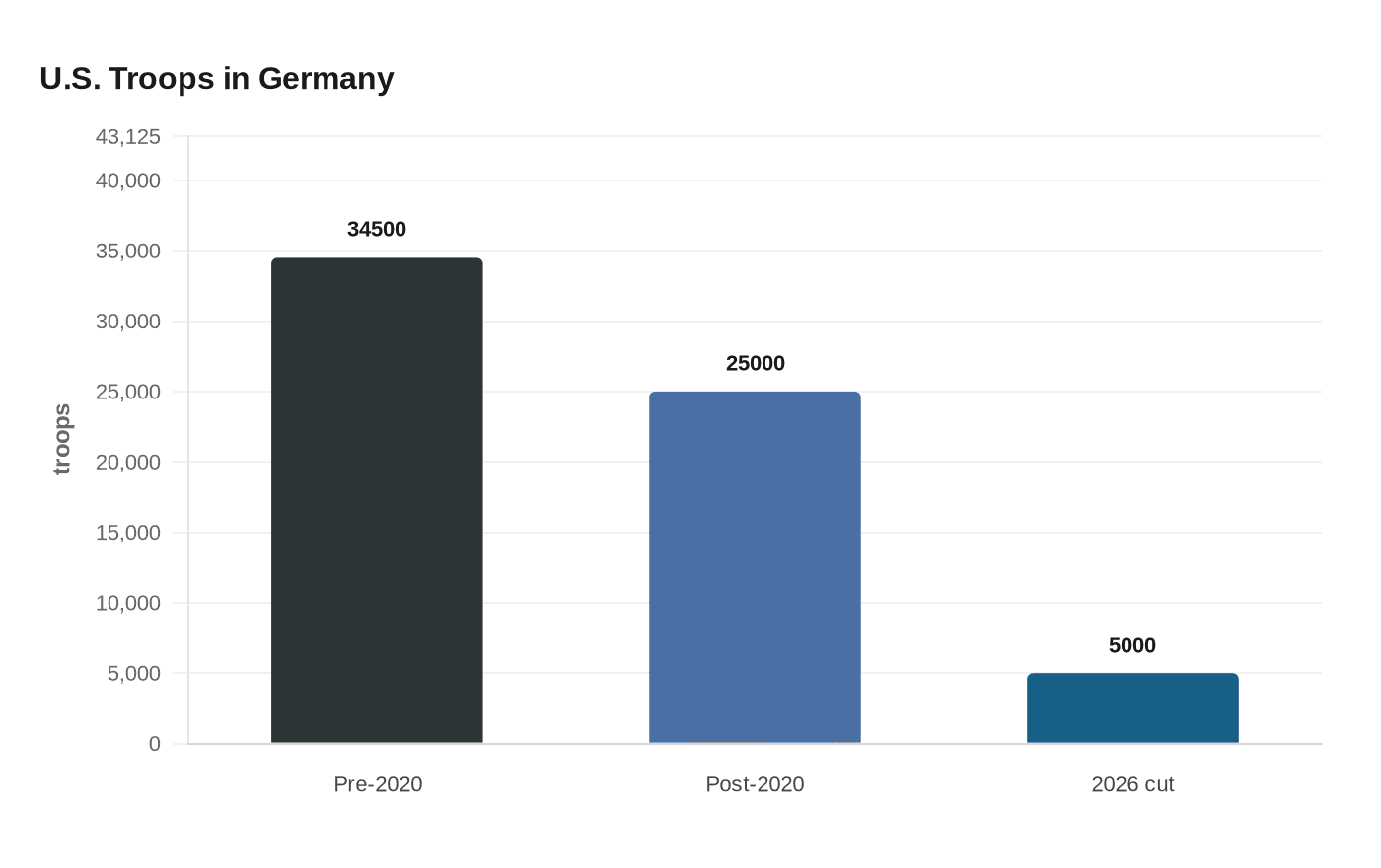
Trump added to the anxiety on May 2, 2026, saying the United States could cut even more than 5,000 troops from Germany. That prospect has pushed European leaders toward a harder conversation about self-reliance, while also forcing them to reckon with the leverage Washington still holds. If the alliance enters a period of deeper retrenchment, the United States may find its influence abroad shaped less by reassurance than by the instability it creates.
This article was produced by Prism’s automated news system from verified source data, official records, and press releases, then run through automated quality and moderation checks before publishing. The system is built and supervised by the people who set the standards it runs under. Read our full AI policy.
Did this article answer your question?