Trump reviews Iran's peace proposal as US rushes $8 billion arms sales
Trump was weighing Iran’s latest peace offer while Washington fast-tracked more than $8.6 billion in arms sales to four Mideast allies.
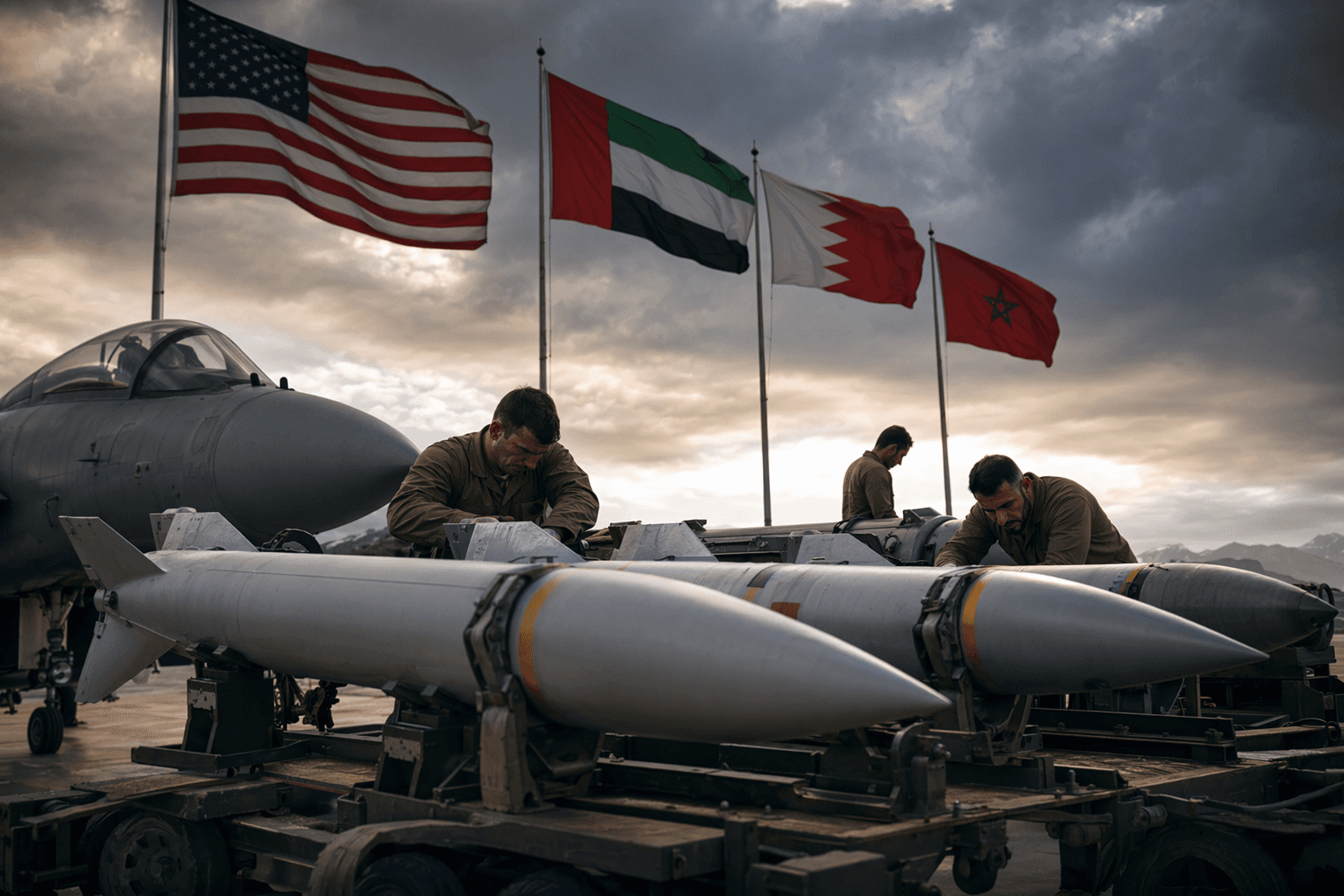
Washington was sending two opposite signals at once: Donald Trump was reviewing a new Iranian peace proposal, even as the State Department fast-tracked more than $8.6 billion in arms sales to Israel, Qatar, Kuwait and the United Arab Emirates.
Trump said he was looking at the Iranian offer but was doubtful it would be acceptable. The proposal, relayed through Pakistani intermediaries, would reopen shipping in the Strait of Hormuz and push nuclear talks to a later stage, a sequencing that would ease immediate pressure without settling the hardest issue first. Iranian state media described the response as 14 points, and CBS News said Trump described it as a 14-point peace proposal.
The timing gave both sides leverage. By putting shipping in the Strait of Hormuz back on the table, Tehran signaled it wanted relief on the most disruptive battlefield before turning to its nuclear program. By keeping nuclear negotiations for later, Iranian negotiators appeared to be testing whether Washington would trade a narrower de-escalation for a broader agreement down the line. Trump, meanwhile, had previously said Iran had agreed to “most of” a 15-point U.S. proposal conveyed through Pakistan in March.

At the same time, the arms package pointed in the opposite direction. The expedited sales, approved without the usual congressional review because officials said an emergency existed, covered four partners central to U.S. military and political positioning in the region. The move suggested Washington was not only keeping diplomacy alive but also preparing allies for a breakdown if talks failed.
The wider backdrop was a fragile ceasefire in the Iran war that began in early April. The White House has used that pause to argue that hostilities were suspended for War Powers purposes, while Trump has also been weighing military options as peace talks remained stalled. Fear over the Strait of Hormuz has already rattled energy markets, making the shipping corridor a pressure point with immediate economic consequences beyond the region.
Taken together, the Iranian proposal and the arms surge showed a negotiation being run on two tracks. One track kept a deal possible through intermediaries and phased concessions. The other reassured regional allies, preserved U.S. leverage and signaled that if diplomacy collapsed, Washington was already moving to arm for the consequences.
This article was produced by Prism’s automated news system from verified source data, official records, and press releases, then run through automated quality and moderation checks before publishing. The system is built and supervised by the people who set the standards it runs under. Read our full AI policy.
Did this article answer your question?


